


Low-dose radiation and metabolism
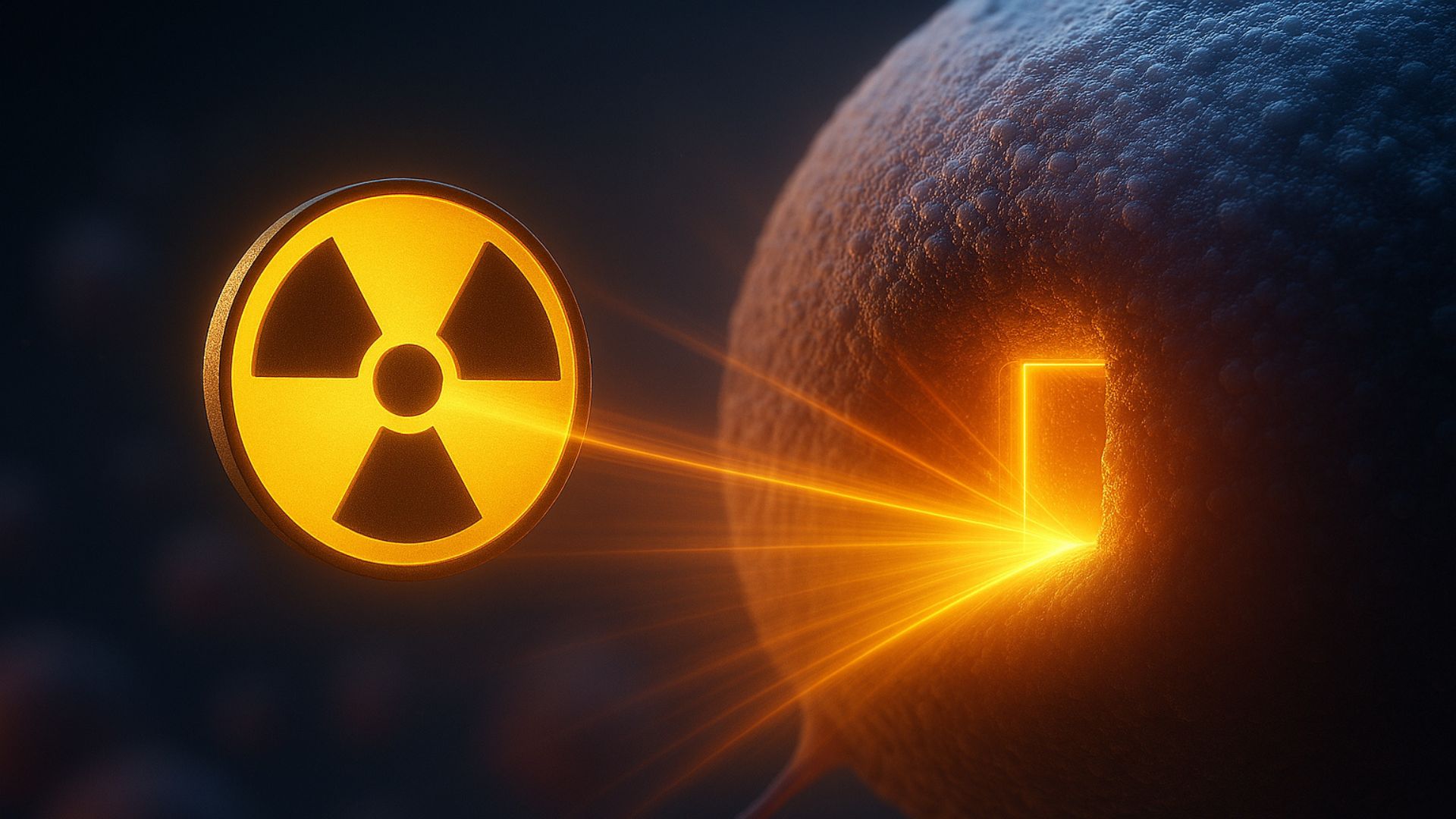
This article invites readers to view diabetes from a radically different angle. It explores a scientific hypothesis that is as counterintuitive as it is intriguing: low‑dose radiation (LDR) as a potential modulator of chronic inflammation, oxidative stress, and metabolic balance. Not therapeutic radiation, not clinical doses. Instead, minuscule exposures—so small they fall far below anything used in medicine—capable of awakening the body’s most fundamental defense systems.
Preclinical studies reveal something remarkable: LDR appears to “coach” the organism. In animal models of both type 1 and type 2 diabetes, repeated low doses have reduced systemic inflammation, improved glucose tolerance, protected vulnerable organs such as the heart and kidneys, and reactivated antioxidant pathways that diabetes typically suppresses. Even the microbiota—an ecosystem that dictates whether metabolism thrives or collapses—seems to reorganize under these subtle signals, shifting toward a less inflammatory profile.
Chronic inflammation and oxidative stress
Does this mean LDR is the hidden cure for diabetes? Not yet. Human trials do not exist, optimal dosing remains unknown, and caution is essential when bridging laboratory findings to clinical practice. But what does exist is a coherent pattern emerging across different models and biological mechanisms—strong enough to warrant serious attention.
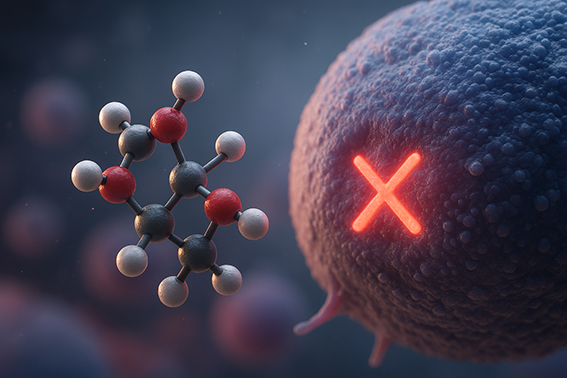
Chronic low‑grade inflammation—the silent fire that drives insulin resistance and exhausts pancreatic cells—is now recognized as a core engine of diabetes. Any safe approach that can modulate this process deserves to be explored with scientific rigor. LDR sits precisely at this intersection, where radiobiology, immunology, and metabolism unexpectedly converge.
This article does not offer miraculous promises. It offers something more important: a new way of thinking about diabetes. It highlights a provocative hypothesis that challenges entrenched assumptions, bridges disciplines that rarely interact—endocrinology, nuclear physics, immunometabolism—and opens the door to therapeutic strategies most people would never imagine.
Perhaps the future of diabetes will not rely solely on hormones, drugs, or diets. Perhaps some of the most groundbreaking solutions will come from unexpected territory—where an almost imperceptible spark of radiation might recalibrate biology and, one day, ease the burden millions carry.
If you’ve ever felt that the story of diabetes is already written, this article seeks to prove otherwise. Scientific revolutions often begin in places no one thinks to look. This may be the beginning of one…


