


The escalation in Ukraine and the Middle East
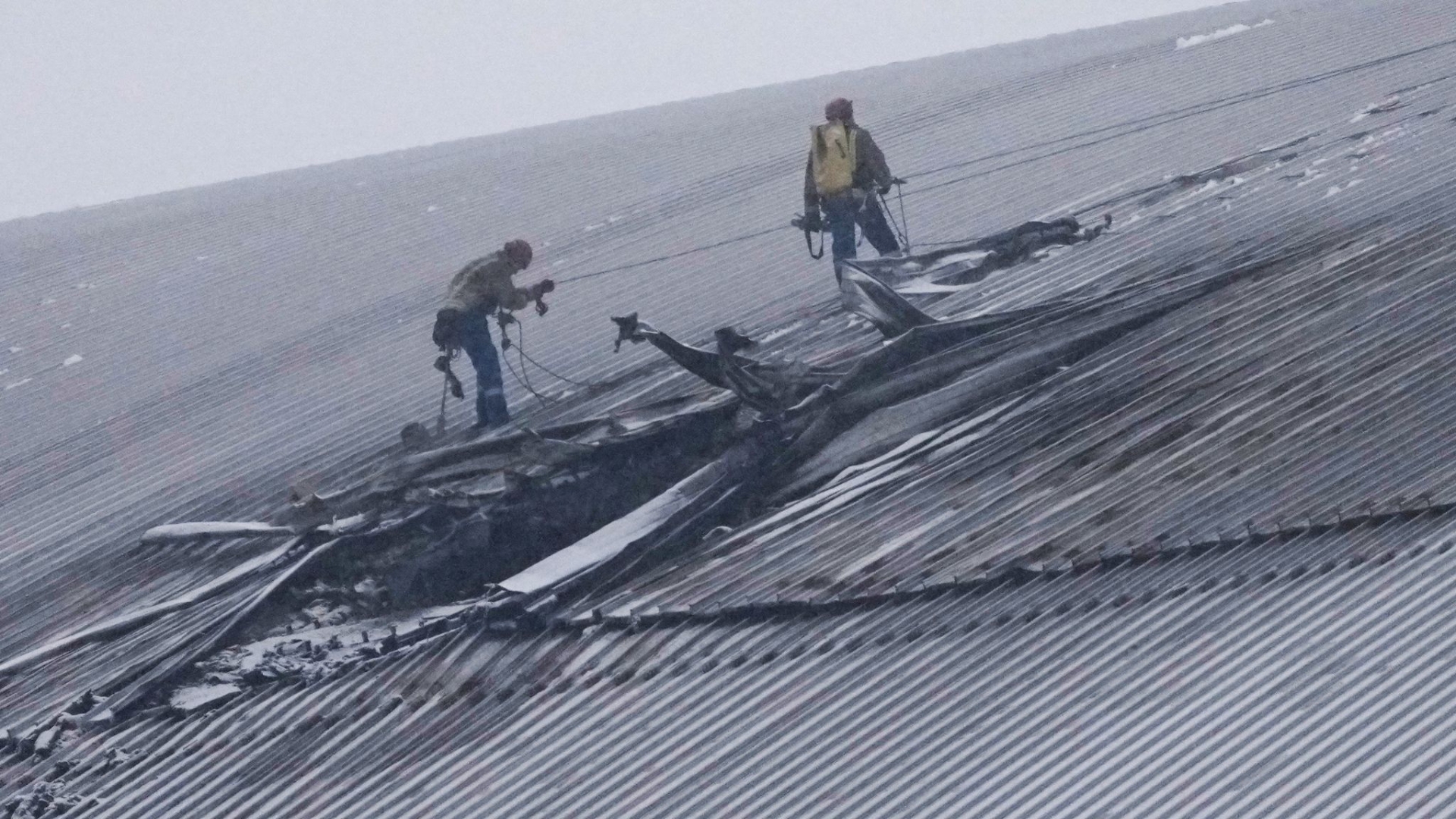
The occupation of the Zaporizhzhia Nuclear Power Plant (NPP) in Ukraine by Russian forces in 2022 marked the first military occupation of an operating commercial NPP. The nuclear safety and security in Zaporizhzhia have been significantly compromised by the degradation of defence-in-depth concept. Repeated damage to Ukraine’s electricity grid has drastically reduced off-site power availability, resulting in numerous complete losses of external power and repeated reliance on emergency diesel generators. The destruction of the Kakhovka dam further jeopardized the plant’s cooling capacity, increasing dependence on vulnerable alternative water supplies. In addition, shelling, drone strikes, fires, and sabotage have affected critical infrastructure, including fuel storage facilities, cooling towers, and turbine buildings. Other Ukrainian nuclear sites, including Chernobyl NPP and research centres in Kharkiv and Kyiv, have also experienced military impacts.
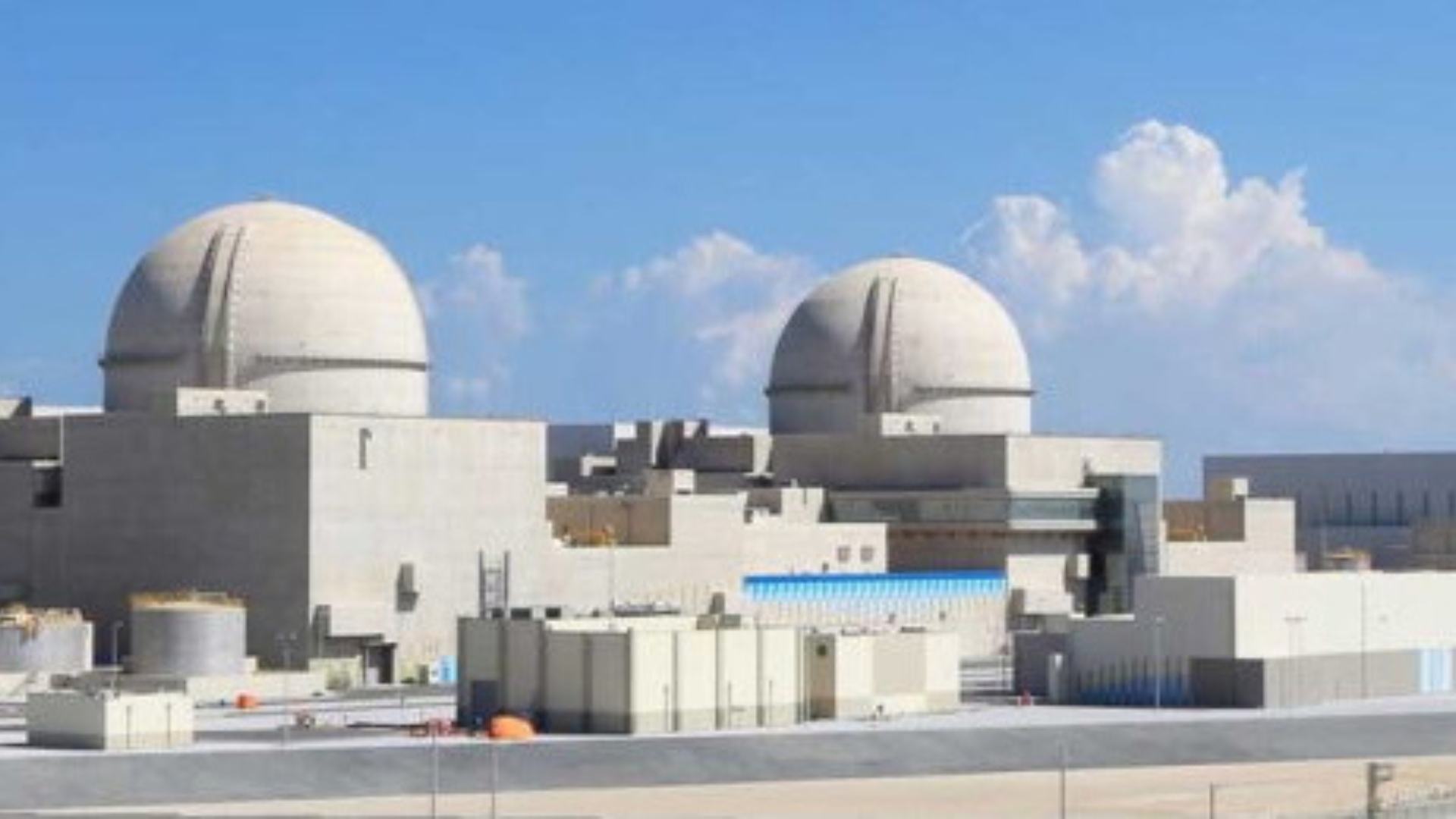
In the Middle East, military strikes started one year ago against Iranian enrichment plants, a nuclear research centre and an under-construction heavy-water reactor. The escalation continued since last February expanding attacks in the region, including also the Iranian Bushehr NPP and the Emirati Barakah NPP. Although limited IAEA inspections at accessible facilities have not detected radiation releases, the direct involvement of multiple civilian nuclear installations in active warfare represents an unprecedented development with potentially severe consequences.
New risks and legal gaps
These conflicts demonstrate that all major elements of the civilian nuclear fuel cycle -including NPPs, research reactors, enrichment, fuel fabrication, reprocessing, spent fuel, and radioactive waste facilities- may become military targets. Severe damage could result in reactor core degradation, spent fuel accidents, or radioactive releases, particularly at facilities lacking containment structures. Emerging technologies supporting precision drone attacks and sophisticated cyber-attacks might further increase the risks for nuclear installations. Additionally, the erosion of non-proliferation and arms control treaties and renewed nuclear deterrence doctrines might contribute to the normalization of attacks on civilian nuclear infrastructure.
The current international legal instruments provide inadequate protection against aggressions to nuclear installations. The Protocol I of the Geneve Conventions and nuclear safety and security standards neither explicitly prohibit military attacks against nuclear facilities nor establish comprehensive wartime protection mechanisms, creating significant legal ambiguity. It is urgent to adopt and ratify an international convention specifically prohibiting attacks against civilian nuclear installations. Such an agreement could establish protected demilitarized zones, strengthen international oversight, and expand the operational role of the IAEA during armed conflicts.
Stronger international protection
Furthermore, nuclear safety and security standards require adaptation to wartime conditions. The IAEA’s seven indispensable pillars of nuclear safety and security, together with its five principles for protecting the Zaporizhzhia NPP, provide an initial framework for developing dedicated standards addressing armed conflicts. Additional lessons from previous conflicts and nuclear security initiatives should be incorporated into future regulatory approaches. If conventional nuclear fission power should continue contributing to the electricity generation and limiting global climate change patterns, the challenge for the international community is to ensure that civilian nuclear facilities remain strictly outside the scope of armed conflicts.
The transformation of civilian nuclear facilities into strategic military objectives represents a paradigm shift with significant implications for nuclear safety and security, public health, and environmental protection. Preserving the peaceful use of nuclear energy requires stronger international legal frameworks, enhanced wartime standards, and possible integration of nuclear protection measures into future peace negotiations as well.


