


The true bottleneck of today’s nuclear industry is not technology, but the human capacity to process information under pressure
Digitalization has made it possible to measure more, record more, and control better, but it has also created a new problem: cognitive overload. In many situations, the operator does not lack information; they have too much of it. And when everything is important, nothing truly is. Artificial intelligence emerges here not as a replacement for the operator, but as a tool to overcome a biological limit that no amount of training can eliminate.
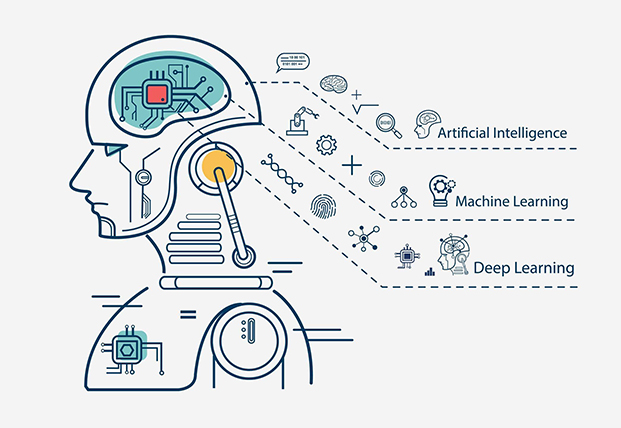
The real value of AI in nuclear energy is not in automating critical decisions, but in filtering, correlating, and anticipating. Where a human sees hundreds of independent variables, an algorithm detects invisible patterns: small deviations that, when combined, signal a failure weeks in advance. This approach is already transforming predictive maintenance, reducing unexpected failures and avoiding reactive interventions, historically a key source of human error.
But the impact goes far beyond maintenance.
Intelligent prioritization and operational optimization
Today’s AI systems enable real-time diagnostics, continuous self-diagnostics, and intelligent alarm prioritization. The goal is no longer simply to know whether a value is out of range, but to understand whether the system as a whole is evolving abnormally. This shift is crucial in facilities where safety depends on the dynamic balance among hundreds of variables.
Operational optimization adds another dimension. Reactors do not operate under static conditions: demand fluctuates, environmental conditions change, and fuel characteristics evolve. AI adjusts parameters in real time, maintaining wide safety margins while reducing thermal and mechanical stress, resulting in more stable, efficient, and long-lasting operation.
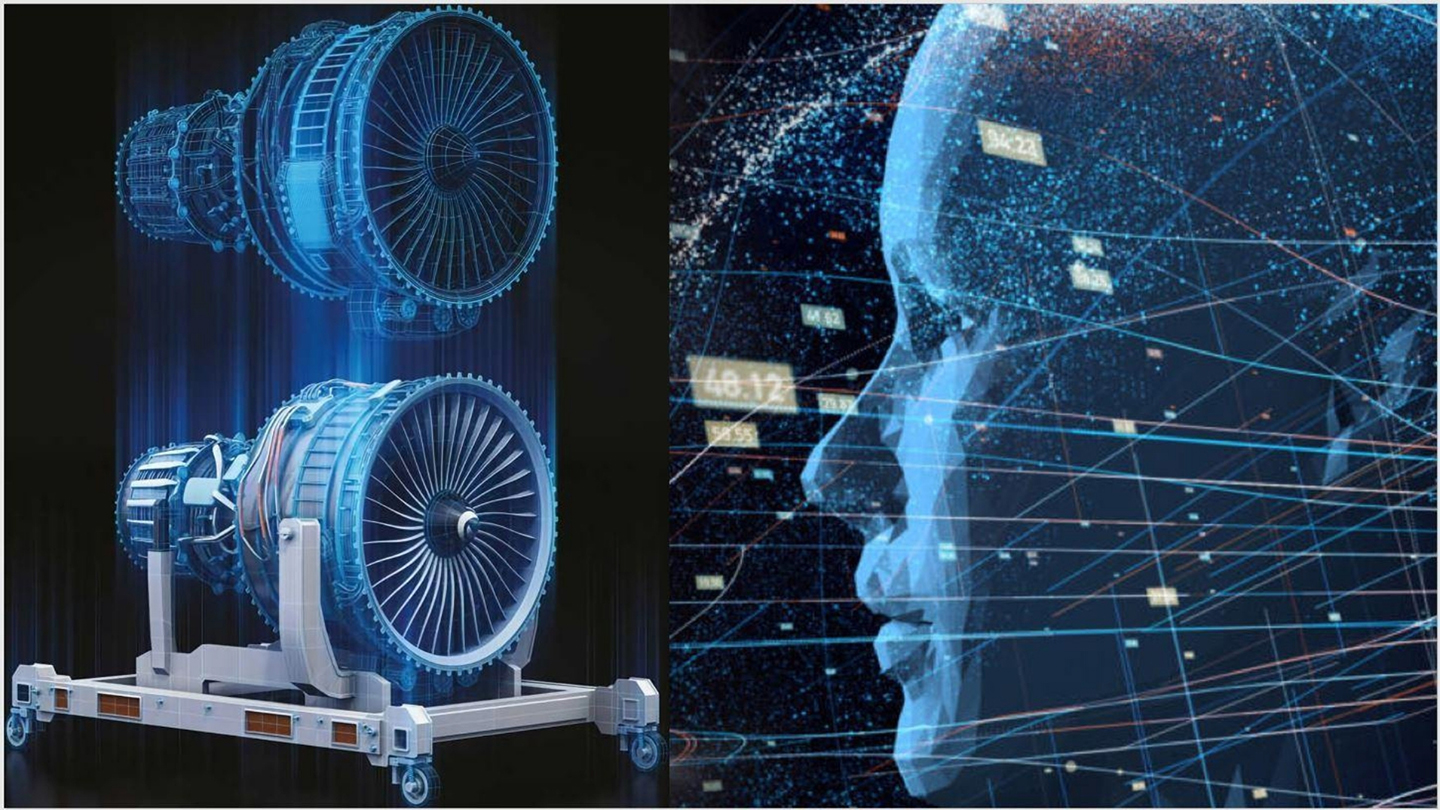
The combination of artificial intelligence with digital twins takes this logic one step further.
The viability of AI use in the industry is already being validated
Before applying changes to a real plant, their impact can be assessed in a virtual environment, analyzing effects on safety, aging, and reactor lifetime. In a sector where extending operation even by a few years has enormous economic implications, this capability is strategic.
All of this is already happening. National laboratories such as Idaho National Laboratory are using AI to automate the review of thousands of technical reports, identify failure trends, and detect critical human errors through computer vision. These are not future promises, but real applications already improving safety and efficiency.
Of course, this potential is not without risks. References to Terminator and Skynet are not accidental: not because of fear of a rebellious intelligence, but because of the danger of opaque, non-explainable systems. For this reason, regulators require gradual, transparent deployment with constant human supervision. AI in nuclear energy must not be autonomous, but auditable and structurally constrained.
The future of nuclear energy will be more human
It will not simply be more technological. It will be more intelligent, more assisted, and ultimately, more human. When technology stops competing with the brain and begins to complement it, safety no longer depends on perfect attention and instead rests on systems designed for reality. That quiet shift, more than any new reactor, may define the next era of nuclear energy.


