

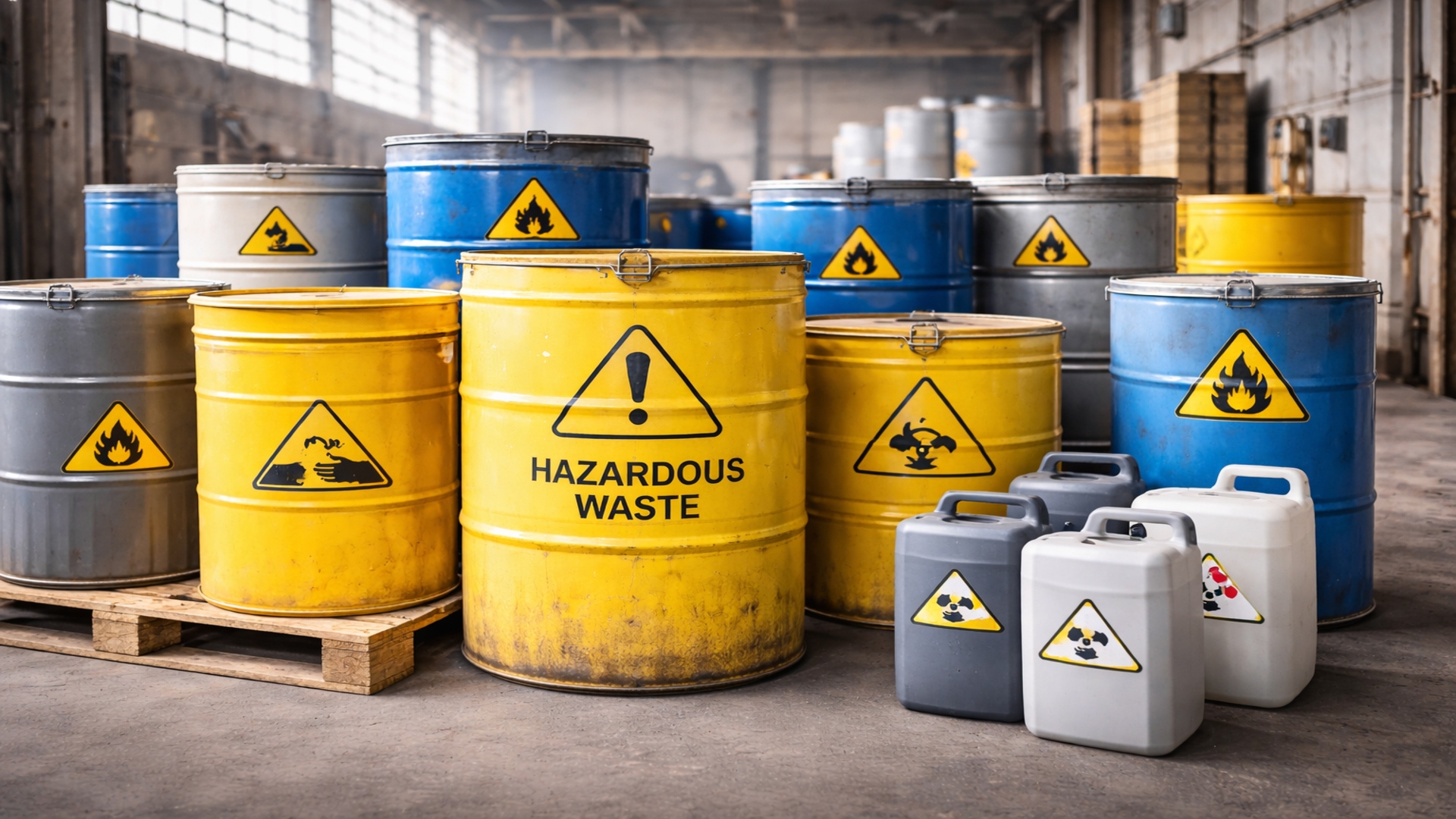

The purpose is to reduce the risks associated with decommissioning activities by facilitating the planning of removal, treatment, storage, and disposal operations. To this end, each waste type must be linked to the specific component from which it originates, ensuring traceability and optimizing management and control measures in accordance with current regulations.
Methodology for waste classification and inventory
Within this framework, a methodology is proposed for the classification and inventory of hazardous waste potentially present at the Almaraz Nuclear Power Plant. This methodology is based on a systematic approach that integrates regulatory identification, technical characterization, and quantitative assessment of the waste. First, the types of hazardous waste are identified in accordance with the applicable European regulations. These regulations allow each waste type to be assigned its corresponding code, facilitating its management and recordkeeping.
In addition, national regulations that complement and refine European requirements are considered, adapting them to the Spanish regulatory context. These regulations establish further criteria for the classification, labelling, and management of hazardous waste, as well as specific obligations for nuclear facility operators. The integration of both European and national regulatory frameworks ensures that the hazardous waste inventory is fully aligned with legal requirements and facilitates its use in audits, inspections, and administrative authorization procedures.
Characterization and quantification of waste
Alongside the regulatory framework, the methodology incorporates technical documentation specific to the Almaraz Nuclear Power Plant, including operation manuals, maintenance records, material inventories, and previous characterization studies. This documentation allows for the identification of components and systems that may generate hazardous waste, as well as the estimation of their composition and condition. Based on this information, waste characterization is performed.
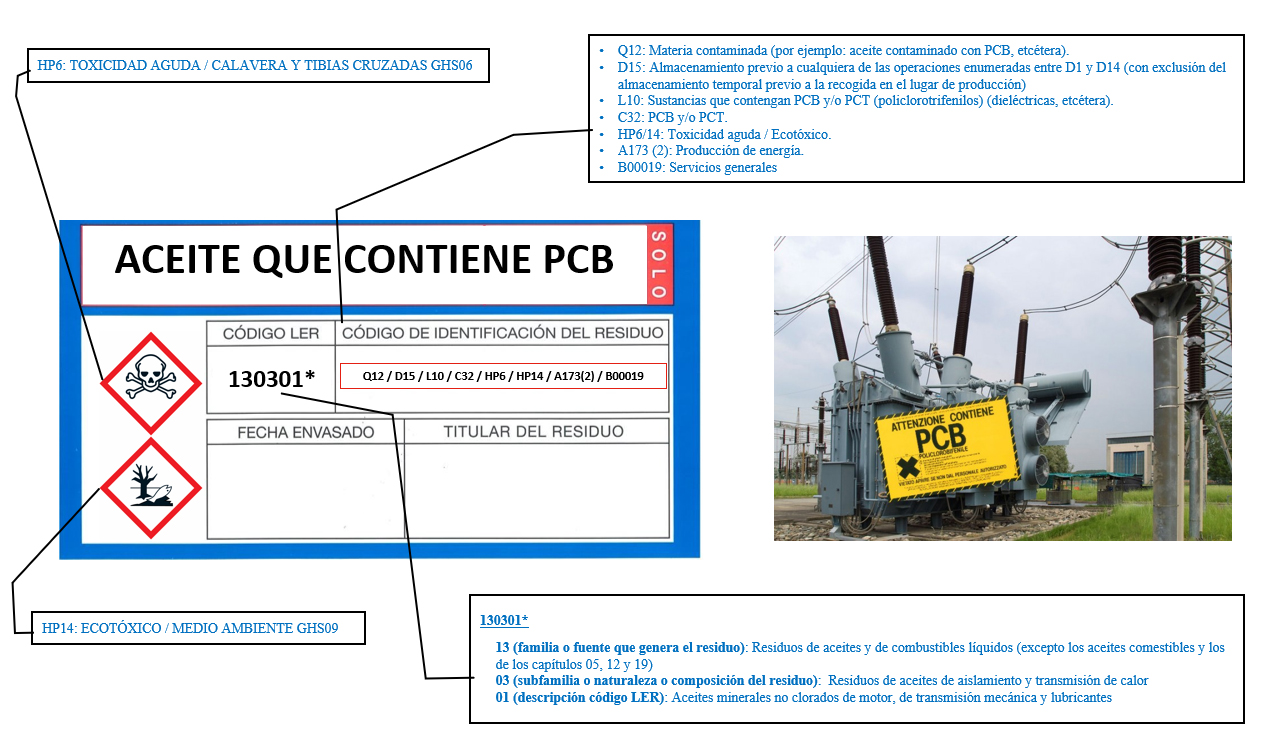
Waste quantification is a critical step in preparing the inventory, as it enables the estimation of the amount of hazardous waste associated with each component or system within the facility. This information is essential for planning dismantling operations, defining storage and treatment needs, and assessing the costs associated with waste management. Moreover, quantification supports environmental impact assessments and the development of wasteminimization and segregation strategies.
Overall, the proposed methodology provides a structured framework for the identification, classification, characterization, and quantification of hazardous waste in nuclear facilities undergoing decommissioning. Its application to the Almaraz Nuclear Power Plant enables the development of a comprehensive and systematic hazardous waste inventory, serving as a fundamental tool for decommissioning planning, environmental management, and regulatory compliance. This approach can also be applied to other nuclear facilities, contributing to the advancement of best practices in hazardous waste management within the nuclear sector.


