


The history of AI began in 1950 with Alan Turing and his test to evaluate whether a machine could “think.” Key milestones followed, such as the ELIZA program in the 1960s, IBM’s Deep Blue defeating Kasparov in 1997, and the popularization of Big Data in the 2010s. However, it was the emergence of generative AI that sparked a qualitative leap, enabling the automated and personalized creation of texts, images, videos, and even complex interactive experiences.
In the field of communication, AI is already a transformative tool. Language models can write various types of content, from press releases to technical reports, while platforms like DALL·E, MidJourney, or Dream Machine facilitate visual and audiovisual creation from text descriptions. The integration of tools such as ChatGPT, Canva, or Copilot into professional environments has improved productivity and creativity, allowing users to automate tasks, maintain message consistency, and produce more accessible and inclusive materials. Additionally, tools like Veed or Descript are revolutionizing accessibility with automated subtitles, transcription, and adaptive document reading.
Data analysis has also greatly benefited from AI. Tools like Google Analytics or IBM Watson identify behavioral patterns, segment audiences, and help refine communication strategies. Technologies such as Microsoft Copilot bring AI into everyday workflows, acting as an intelligent assistant across common applications.
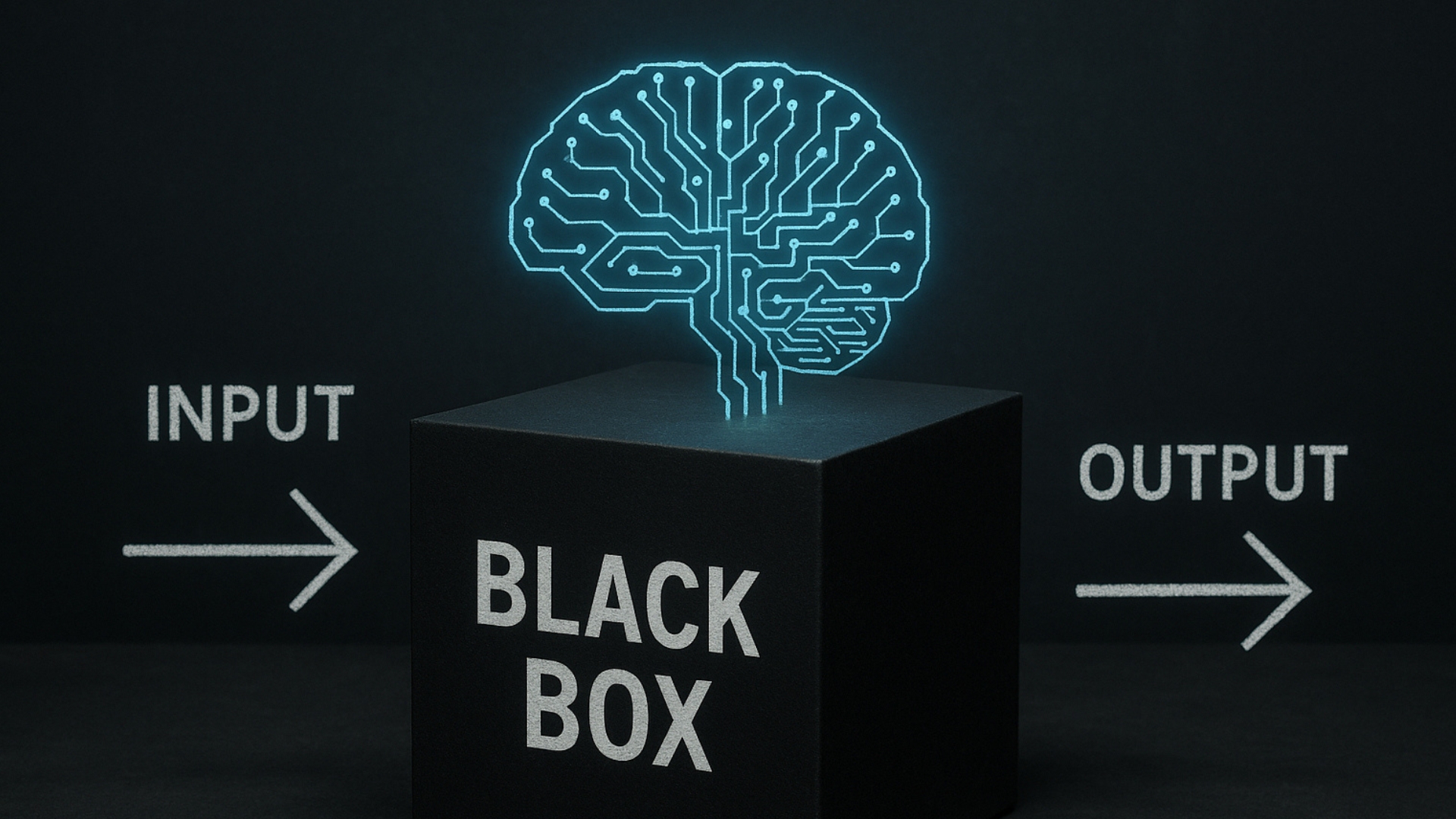
However, AI also presents significant ethical and technical challenges. Among the most pressing is algorithmic bias: when trained on historical data, models tend to reproduce and even amplify existing prejudices. Another major issue is the opacity of these systems—the so-called “black box” problem—which makes it difficult to understand how certain responses are generated. Furthermore, training models like GPT-4 requires massive energy consumption, raising concerns about environmental sustainability.
In response, the European Union has passed the Artificial Intelligence Act, a pioneering regulation that classifies AI systems based on risk levels and establishes clear principles of transparency, traceability, and accountability. This legal framework marks a turning point toward safer and more ethical use of the technology.
Successfully implementing AI requires a comprehensive strategy that combines training, ethics, privacy, and governance. AI should not be used to handle confidential information without proper safeguards, and secure enterprise-grade versions should be prioritized. Moreover, AI must be aligned with an organization’s strategic objectives and designed to augment—not replace—human talent.
At the Spanish Nuclear Industry Forum, the use of AI has already translated into concrete improvements: automating newsletters, deploying Copilot in Microsoft 365, and generating audiovisual content. These efforts have optimized resources, expanded communication reach, and made nuclear information more accessible to diverse audiences.
Finally, mid- and long-term predictions point to a more mature multimodal AI, advances in explainability, ethical integration, and a fusion between human and technological communication. In this evolving landscape, AI will not replace human beings but will complement them—enhancing creativity, empathy, and critical thinking.


