


Production using nuclear fission energy
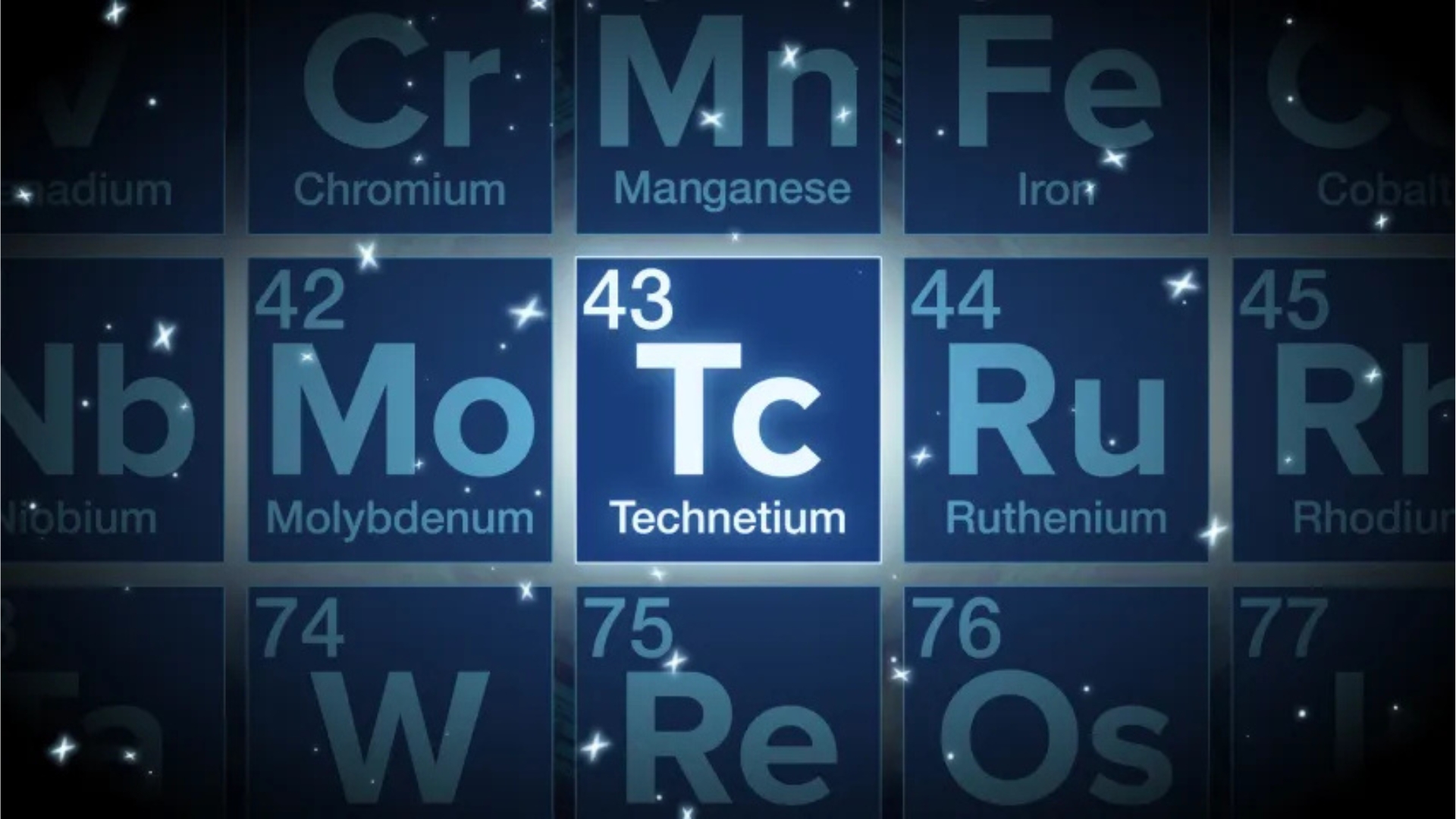
Nuclear fission energy is based on a mature technology, and currently, several fission reactors exist worldwide concentrating the majority of the production of some of the most significant radioisotopes of medical interest. Using molybdenum-99 (99Mo) as an example, one of the most in-demand radioisotopes, which is used in 86% of SPECT (Single Photon Emission Computed Tomography) diagnostic procedures, totaling approximately 30 million procedures annually all around de world, about 97% of its production takes place in fission reactors, and the remainder, in cyclotrons.
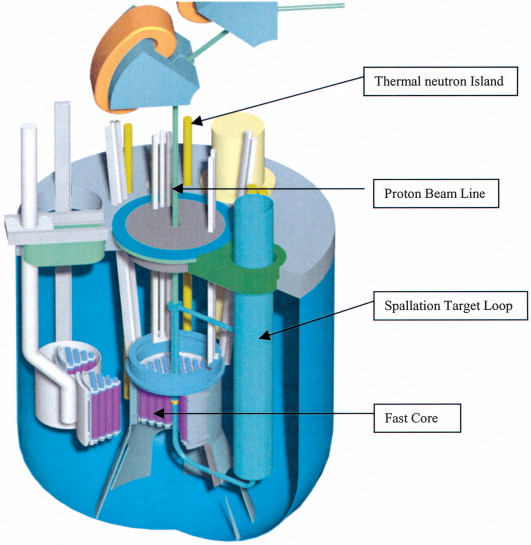
The production of this radioisotope is threatened, considering its strong international demand. Therefore, finding new sources of 99Mo production to compensate for its inevitable global shortage, is a priority. The potential deployment of Small Modular Reactors (SMRs) could be part of that solution. SMRs can produce radioisotopes of medical interest in any of their modalities from both, the GIII+ and GIV reactor generations.
The potential of fusion energy
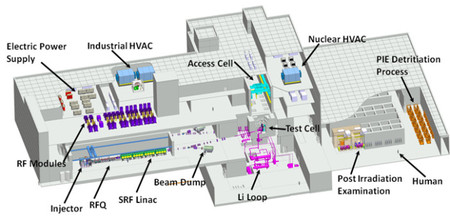
Regarding fusion energy, it is based on a simple concept: the joining of two light atomic nuclei that combine to form a heavier nucleus, emitting enormous amounts of energy. However, its production is not simple due to the significant technological challenges involved. Regarding fusion energy, the particle accelerator International Fusion Materials Irradiation Facility – Demo Oriented Neutron Source (IFMIF-DONES) is a novel research infrastructure for testing, validating, and qualifying materials that could be used in future fusion power plants.
IFMIF-DONES and medical radioisotopes
A complementary objective of the IFMIF-DONES infrastructure is the production of radioisotopes of medical interest. Recent related studies have demonstrated the feasibility of this production method, with a favorable enough cost-benefit ratio to overcome all the technological challenges. These studies have even estimated the potential production of these radioisotopes, including 99Mo.
Therefore, everything suggests that new fission reactors, along with nuclear fusion energy, could become the solution to complement the current production of radioisotopes for medical use.


