

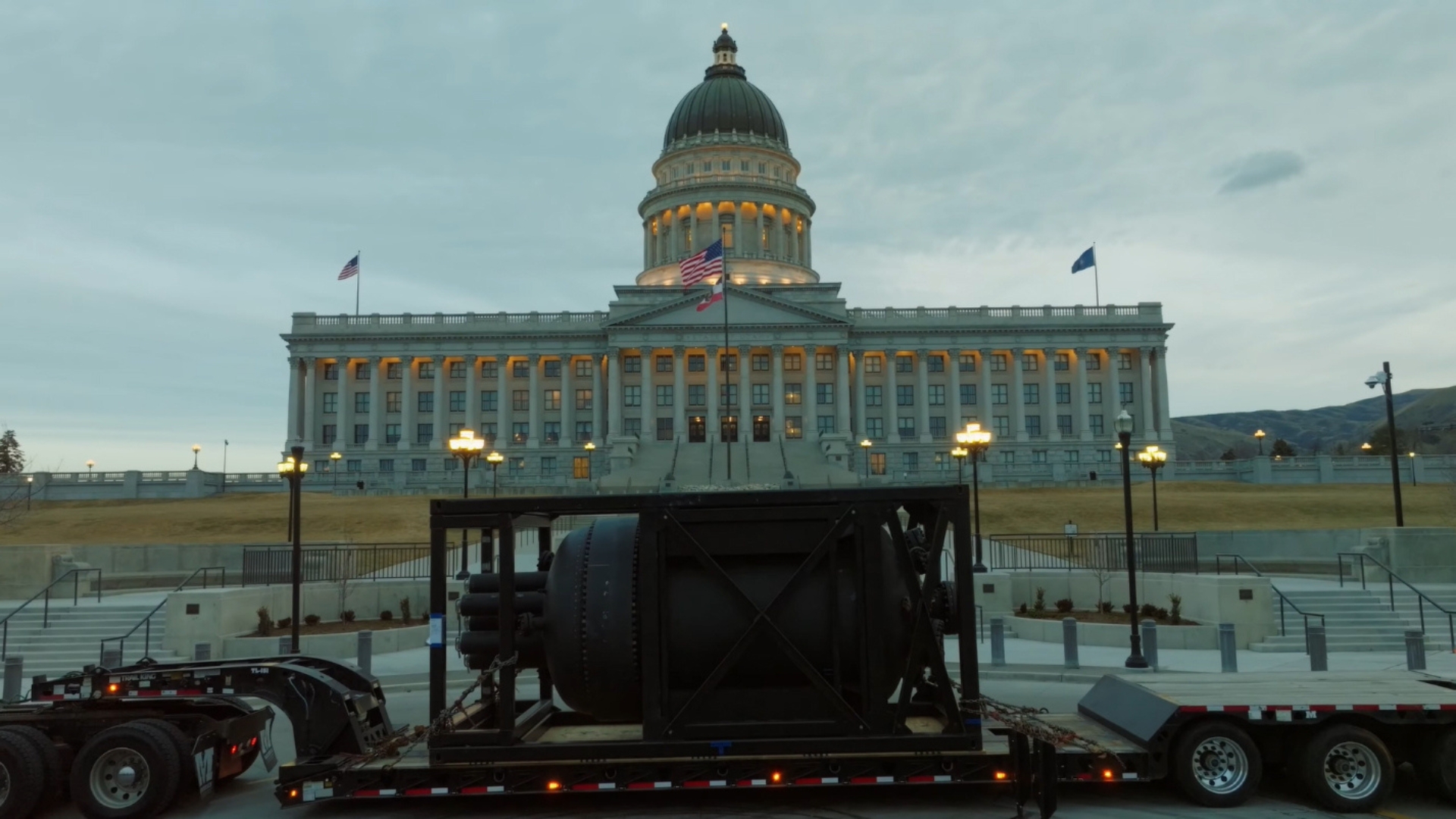

They made a reactor fly.
This isn’t a futuristic concept or a marketing render. It’s a real reactor integrated into an aerial system and transported while complying with both nuclear regulations and aviation safety standards. In other words, the atom has left the ground. And that simple fact changes how we start thinking about nuclear energy.
More than transportation, a total engineering challenge
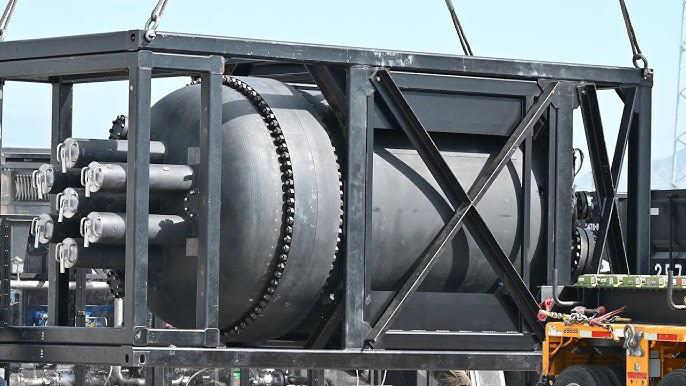
It’s important to clarify from the outset: this does not mean there is already a commercial airplane powered by a nuclear reactor. No passengers have been placed on an atomic plane. What has been demonstrated is subtler but potentially just as important: a reactor can be safely transported by air. It might sound like a purely logistical issue. It isn’t. It involves resolving an extremely complex combination of nuclear engineering, aviation, and regulatory challenges.
The challenge begins with something as simple as weight. In the Small Modular Reactor ecosystem, individual modules typically range from 10 to 80 tons depending on the design. Moving something like this by air requires heavy-lift aircraft such as the Boeing C-17 Globemaster III or cargo versions of the Boeing 747. Even for machines designed to carry tanks or helicopters, every additional ton increases fuel consumption, reduces range, and demands extremely precise structural calculations.
This is where two almost opposite industrial philosophies collide. Aviation obsessively pursues lightness: every gram matters, every surface is optimized to reduce drag. Nuclear engineering, by contrast, is built on redundancy, containment, and wide safety margins. It’s like designing a Formula 1 car that is also armored like a tank.
From the Cold War to microreactors
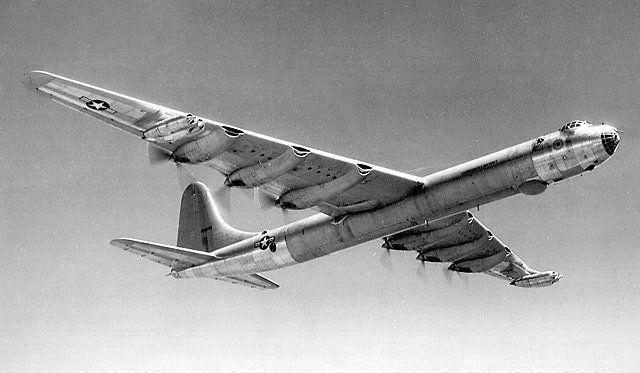
Interestingly, the idea of combining aviation and nuclear power isn’t entirely new. During the Cold War, the U.S. explored virtually unlimited-range bombers in the Aircraft Nuclear Propulsion program. The most famous experiment was the Convair NB-36H, a modified bomber that flew with a nuclear reactor onboard in the 1950s. The reactor did not power the plane; it was meant to study radiation behavior during flight.
What has changed since then is nuclear miniaturization. The industry is developing a new generation of modular reactors built for serial production. Designs like those from NuScale Power or the European Rolls-Royce SMR aim to reduce size, complexity, and construction time. Even smaller are microreactors, designed to produce between one and twenty megawatts of electricity.
The result is a significant conceptual shift. For decades, nuclear energy meant building massive infrastructure in a single location. Now, reactors can be factory-made and deployed wherever they are needed.
This opens clear applications: remote military bases, humanitarian operations, isolated mining sites, scientific stations, or regions without reliable power grids. In many of these locations, the real cost of electricity isn’t the fuel it’s transporting it. A transportable microreactor could provide continuous power for years with a single installation.
In the longer term, the implications could go even further. Some research is exploring high-altitude aerial platforms capable of staying aloft for months, functioning as nodes for surveillance, communications, or environmental monitoring. In that context, a small reactor wouldn’t propel the aircraft—it would serve as a continuous energy source.


