

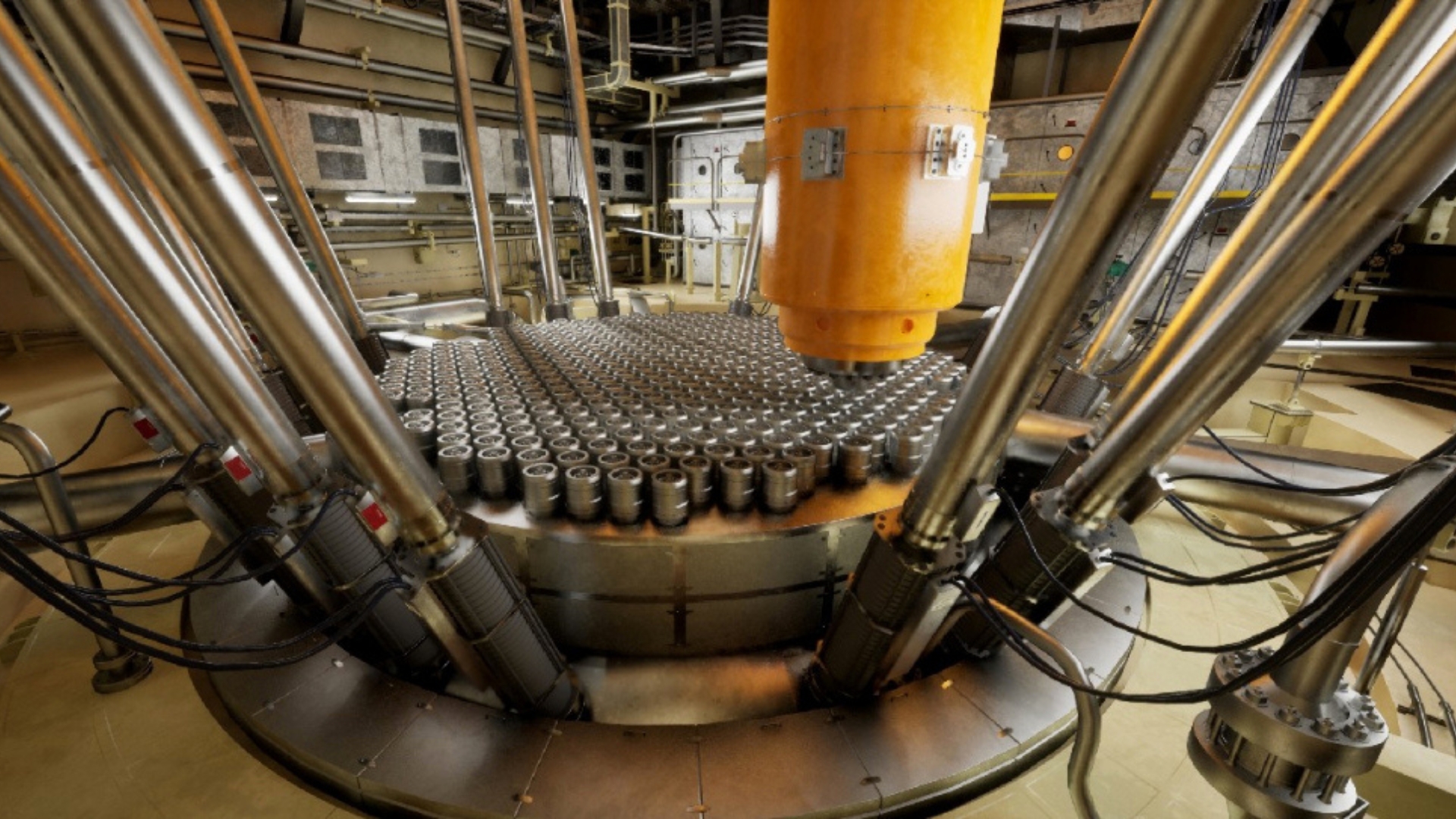

3D modeling of nuclear facilities
The first dimension refers to the 3D modeling of nuclear facilities and systems. Thanks to technologies such as laser scanning, photogrammetry, and computer-aided design, it is possible to generate precise digital representations of reactors, containment systems, cooling circuits, and other critical infrastructures. These models make it possible to better understand the spatial arrangement of systems, identify interferences or vulnerabilities, and plan maintenance interventions or design modifications more safely.
Immersive visualization and interactive analysis
The second dimension is interactive visualization and analysis in 3D environments. Virtual reality, augmented reality, and digital twin platforms allow specialists to virtually explore facilities, recreate operational scenarios, or train for emergency procedures. These tools enhance operator training, facilitate communication among experts, and make it possible to anticipate potential problems before they occur in the real world.
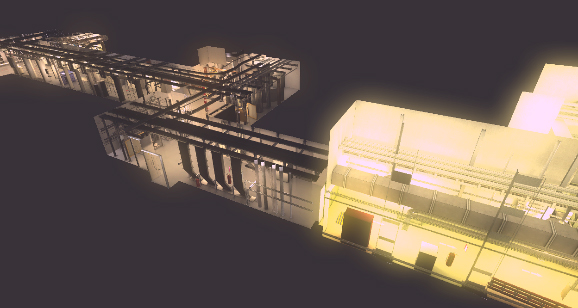
Digital simulation and predictive analysis
The third dimension corresponds to simulation and predictive analysis. Three-dimensional models integrated with advanced computational tools can simulate complex phenomena such as thermal flows, radiation dispersion, structural behavior, or accident propagation. By combining these models with operational data and analytical algorithms, it becomes possible to assess hypothetical scenarios, optimize safety decisions, and strengthen response capabilities in critical situations.
The convergence of these three dimensions—representation, visualization, and simulation—is defining a new paradigm for nuclear safety. This approach enables a shift from reactive management based on post-event analysis to preventive and predictive management, supported by high-fidelity digital models: digital twins.
Ultimately, the 3D of Nuclear Safety is not limited to a specific technology but rather represents a comprehensive strategy that combines advanced digital tools to improve system understanding, reinforce decision-making, and raise safety standards in the nuclear sector.


