



From fundamental research to multiple applications
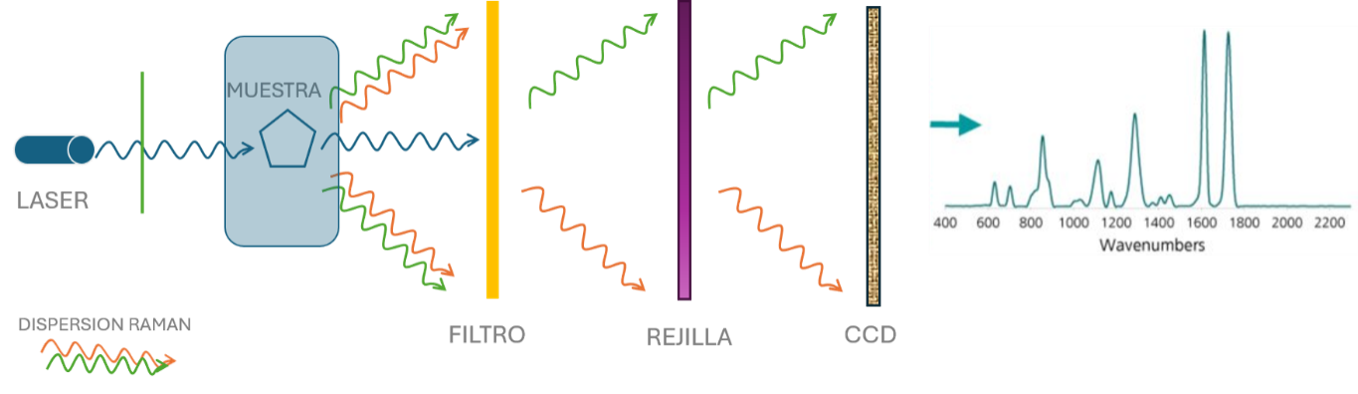
This technique makes it possible to identify the composition and structure of materials through their molecular vibrations, without altering the sample itself. What began as fundamental scientific research has evolved into an indispensable tool in fields as diverse as space exploration, cultural heritage conservation, biomedicine, and nuclear technology.
A key technique for the nuclear sector
In the nuclear sector, its non-destructive nature is particularly valuable. Raman spectroscopy enables the analysis of irradiated fuels, radioactive waste, materials exposed to extreme environments, and even debris generated during accidents such as Chernobyl and Fukushima.
European initiatives such as RAQOON, developed within the CONNECT-NM framework, are further expanding the technique’s applications, helping researchers better understand nuclear materials and develop the advanced fuels that will power the reactors of the future.
Nearly a century after its discovery, Raman spectroscopy continues to demonstrate how scientific curiosity can evolve into a key technology for tackling some of the most demanding challenges of our time.


