

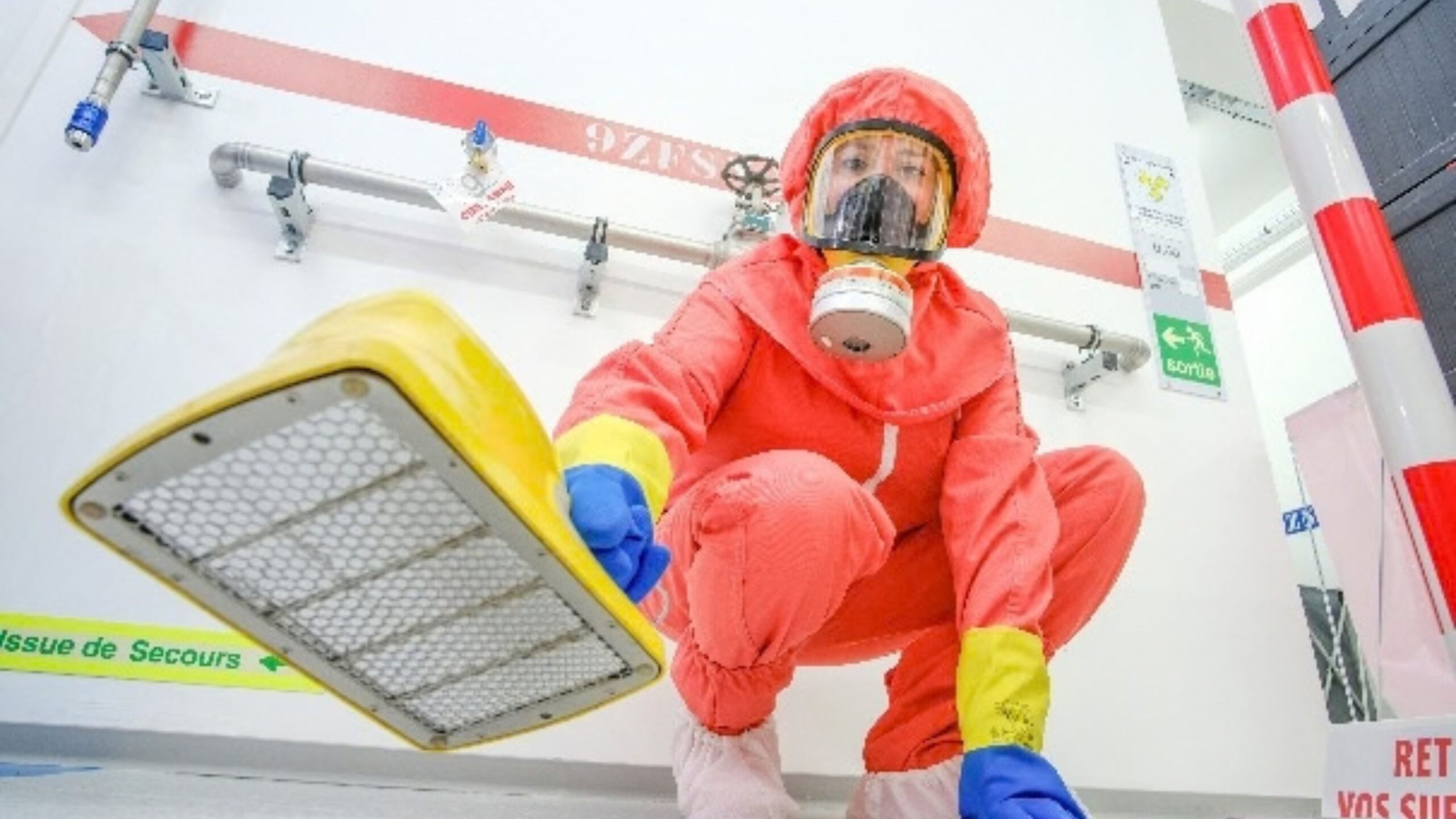

The United States provides one of the clearest documented examples, with significant attrition reported among both junior and senior Radiation Protection Technicians supporting nuclear outages. These trends highlight a broader structural problem: recruitment and initial training alone are insufficient if workers leave the sector before acquiring the experience required to progress into senior positions.
From knowledge acquisition to knowledge transfer
This article examines the RP workforce challenge from the perspective of the entire professional development pipeline. A sustainable model requires more than increasing the number of new entrants. It must connect recruitment, competency-based training, practical field experience, progressive responsibility, senior qualification and knowledge transfer. If any of these stages is weakened, the industry risks maintaining a continuous “revolving door” of junior personnel while progressively losing the experienced workforce that provides operational judgement, plant knowledge and mentoring capacity.
The Spanish situation differs from that of the United States. Spain already operates within an established regulatory and professional framework for the qualification and training of personnel involved in nuclear safety and radiation protection. Consequently, the relevant question is not whether Spain currently experiences the same level of workforce attrition, but whether the sector is developing and retaining the competencies required for its future activities. Continued nuclear operation will coexist progressively with decommissioning, radiological characterization, contamination control, dismantling, waste management and material clearance, all of which require specialized RP knowledge and experienced personnel.
Mobility, transferable skills, and simulation
Workforce mobility is another important consideration. Refueling outages and specialized projects generate temporary peaks in demand, increasingly addressed through the movement of personnel between facilities and countries. However, differences in national regulations, qualification systems and site-specific training requirements may limit this flexibility. Greater recognition of transferable competencies could therefore reduce unnecessary retraining. The US EPRI framework provides an interesting example through standardized procedures, competency evaluations and pre-qualification mechanisms. While full international harmonization would be unrealistic, the underlying principle of portable competence could support more efficient bridging training between organizations and countries.
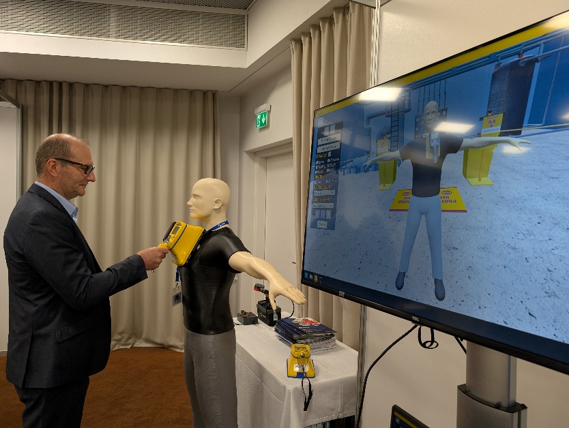
Advanced simulation technologies can further strengthen this competency-based approach. Simulated sources, contamination scenarios, survey instruments and electronic dosimeters allow realistic practical training without unnecessary occupational exposure. They also make performance measurable and repeatable, enabling objective assessment of survey technique, detector positioning, coverage and response to abnormal radiological situations.
Career pathways and expert knowledge retention
The article also proposes a clearer professional pathway for junior personnel. Senior RP technicians should focus on activities requiring judgement and experience, while appropriately trained junior staff should progressively assume routine responsibilities that provide the practical
experience required for advancement.
Within this model, decontamination should be reconsidered as a specialized technical discipline rather than a basic cleaning function. Skilled decontamination personnel develop practical competencies in contamination behavior, cross-contamination prevention, PPE, zoning, waste segregation and ALARA. With structured additional training, decontamination can therefore become an effective entry pathway into broader RP roles.
Finally, international resource sharing remains valuable for managing demand peaks, transferring experience and supporting mentoring, but cannot replace long-term workforce development. The central conclusion is that experienced RP capability takes years to build but can be lost rapidly. The nuclear sector must therefore move from isolated training initiatives towards integrated career ecosystems capable of developing, retaining and transferring radiation protection expertise for future operational and decommissioning needs.


