

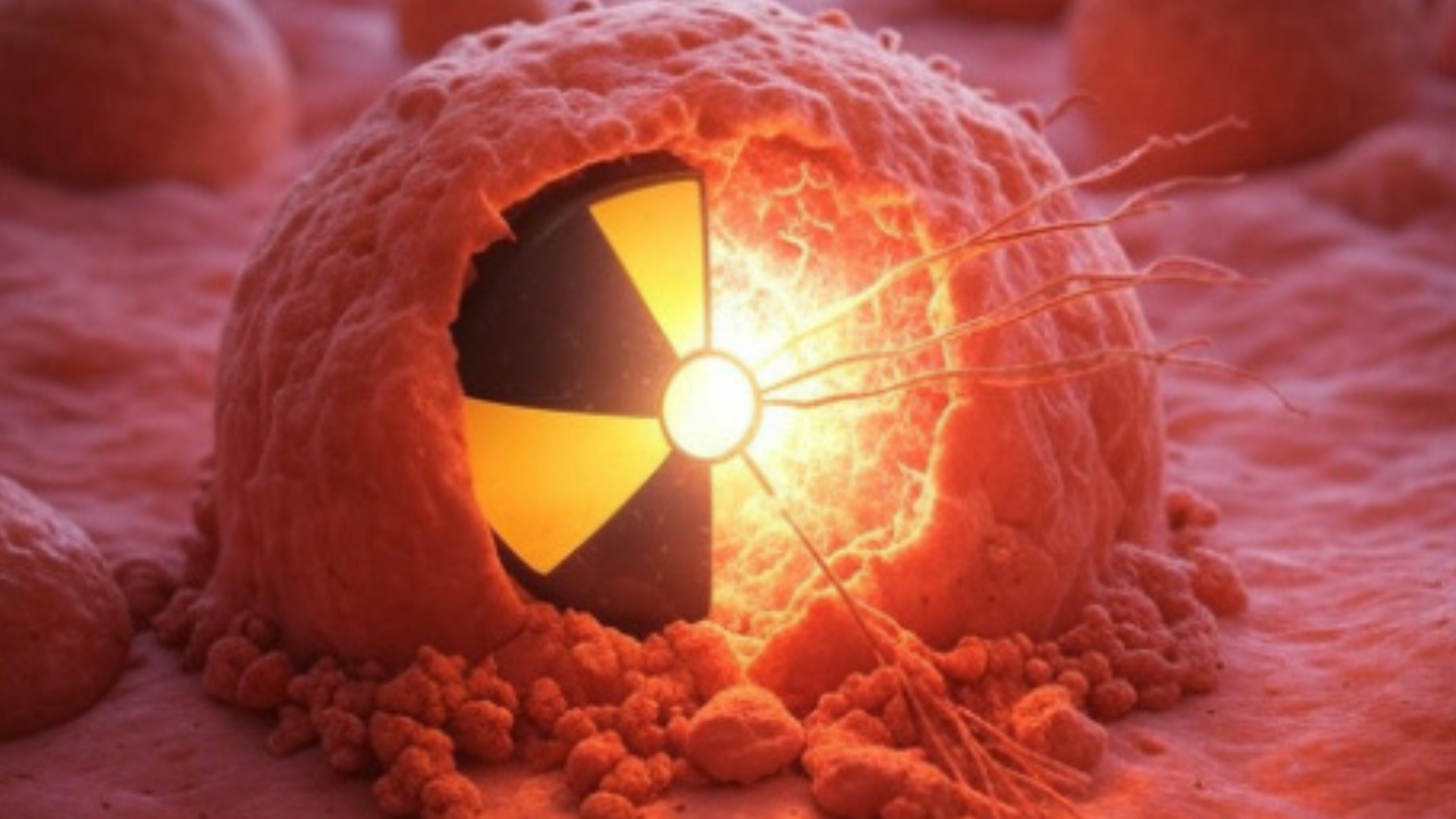

Originating in 1941 with the use of radioactive iodine to treat thyroid cancer by Saul Hertz, theragnostics has evolved into a powerful tool against complex cancers like prostate cancer or neuroendocrine tumors. In Spain, hospitals in Madrid, Barcelona, and Murcia are already implementing it, with stories of patients regaining time and quality of life. Its advantages are clear: personalization, precision, early detection, and adaptability, making it a beacon of modern medicine.
The future promises even more: new radioisotopes, artificial intelligence to improve imaging, and combinations with other therapies. It could potentially treat not only cancer but also heart diseases or infections, spreading globally thanks to initiatives like those of the International Atomic Energy Agency. Theragnostics is not just science; it is a narrative of human ingenuity that redefines nuclear energy, seeking solutions to more and more problems, not just energy-related ones.


