

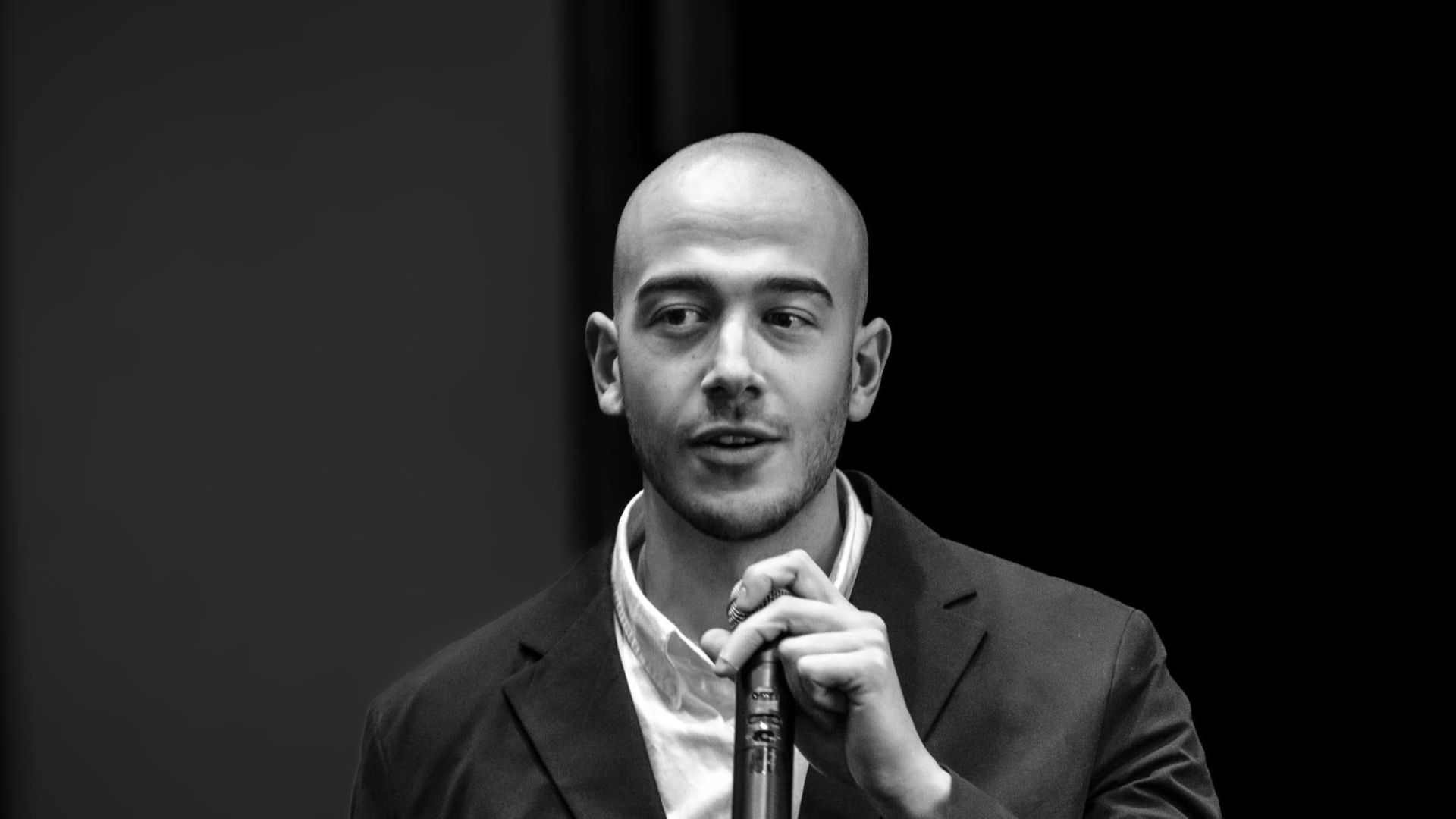
Texts and photographs: Alberto Gil Cordero
My journey began at the Polytechnic University of Madrid, at the Higher Technical School of Industrial Engineering on the Castellana, where I studied Chemical Engineering. From the start, I felt drawn to the field of energy, although it was during my bachelor’s thesis that I discovered a deeper interest in nuclear energy. This passion led me to continue my studies with a Master’s in Energy Engineering, specializing in Nuclear Engineering.
During the master’s program, I had the opportunity to complete my final project at SCK CEN in Belgium, researching how to optimize the properties of ThO₂ for the production of radioisotopes for medical purposes. This project was a key moment in my training: it was the first time I worked as part of a research team, and thanks to the guidance of my mentors, I was able to successfully develop the thesis. I was also fortunate that the topic attracted interest within the scientific community, which enabled me to receive international recognition.
After this experience and taking advantage of the fact that I was already in Belgium, I decided to explore professional opportunities abroad. Among the various positions I applied for, the offer from TRACTEBEL stood out from the beginning, and from the interview with my current manager, I knew it was the ideal next step in my professional development.
How many years have you been in your current position, and what are your responsibilities?
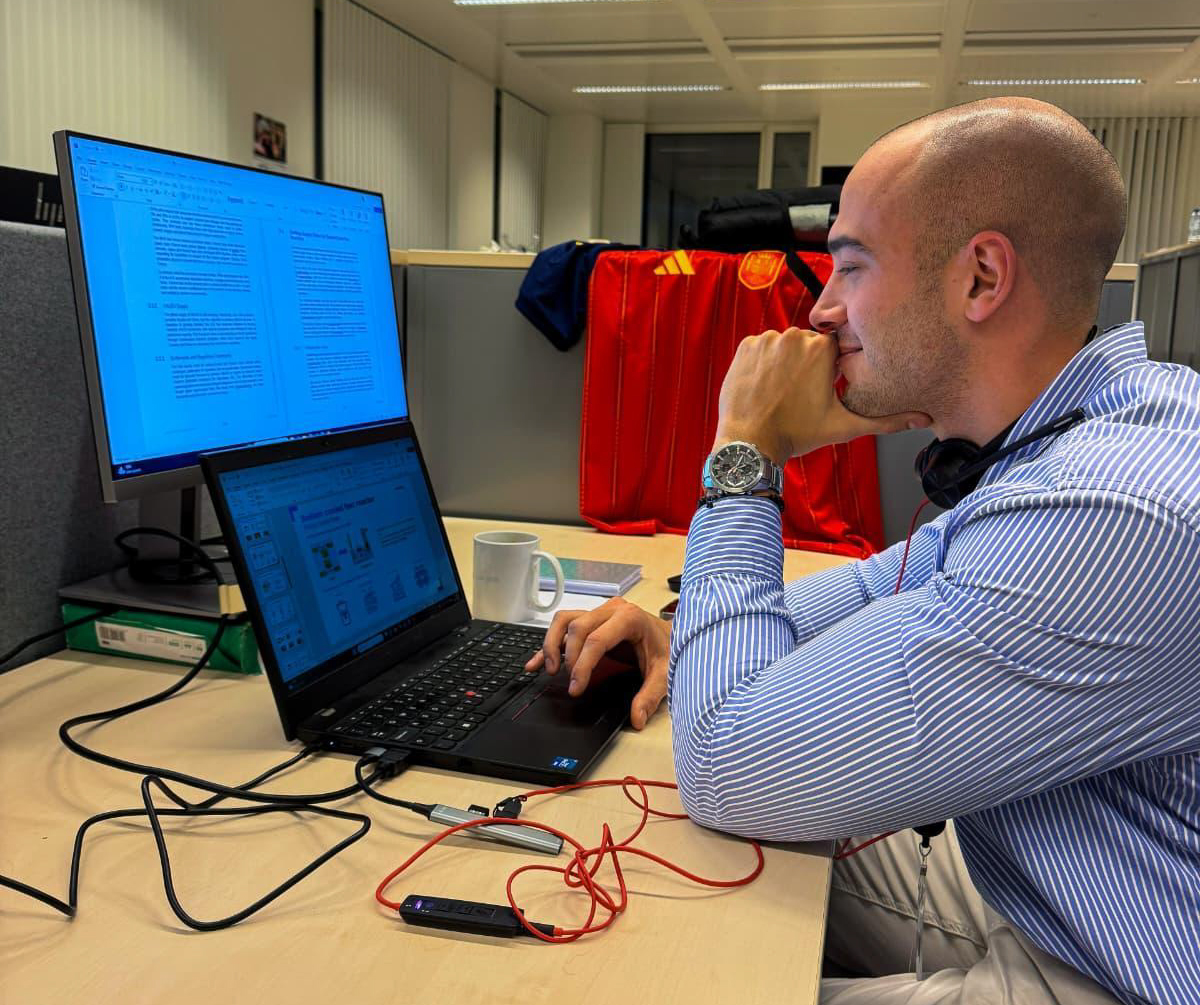
I have now been working for one year and four months at TRACTEBEL in Brussels as a Contract Owner, a role that would be equivalent in Spain to an EPC engineer, specialized in Nuclear Fuel & Cask. My work combines technical engineering responsibilities, supplier selection and management for turnkey projects, and supervision of on-site execution. In particular, I am in charge of the procurement of nuclear fuel for Doel 4, the repair of spent fuel in Tihange, and I also take part in innovation department projects related to advanced fuels, supply chains, and new reactor designs.
What are the main activities of your current role?
In my day-to-day work I combine multiple facets, ranging from engineering to innovation. As mentioned earlier, I take part in nuclear fuel procurement projects for Doel 4, and I have had the opportunity to work with ENUSA as a supplier. This has allowed me to carry out inspections at the Juzbado plant and collaborate with highly qualified Spanish professionals, learning greatly from their experience and seeing how Spanish companies are benchmarks at the international level.
I have also collaborated on nuclear decommissioning projects in Belgium, focused on spent fuel, and I have had the chance to work in unique environments: inside the deactivation pool, observing a reactor during refueling, or even inside a control rod repair cell. Likewise, I have participated in research studies for advanced reactors, supporting the TRISO fuel supply chain and contributing to the safety analysis of new molten salt reactor designs. In addition, I have been involved in business development studies, such as a comprehensive feasibility analysis on converting a coal-fired power plant into a functional site for future SMRs.
On the execution side, particularly within the spent fuel repair project, I worked at Tihange as a Quality Controller and Technical Coordinator, supervising complex fuel assembly repairs and coordinating multidisciplinary teams in a French-speaking environment, with rotating shifts and some night campaigns.
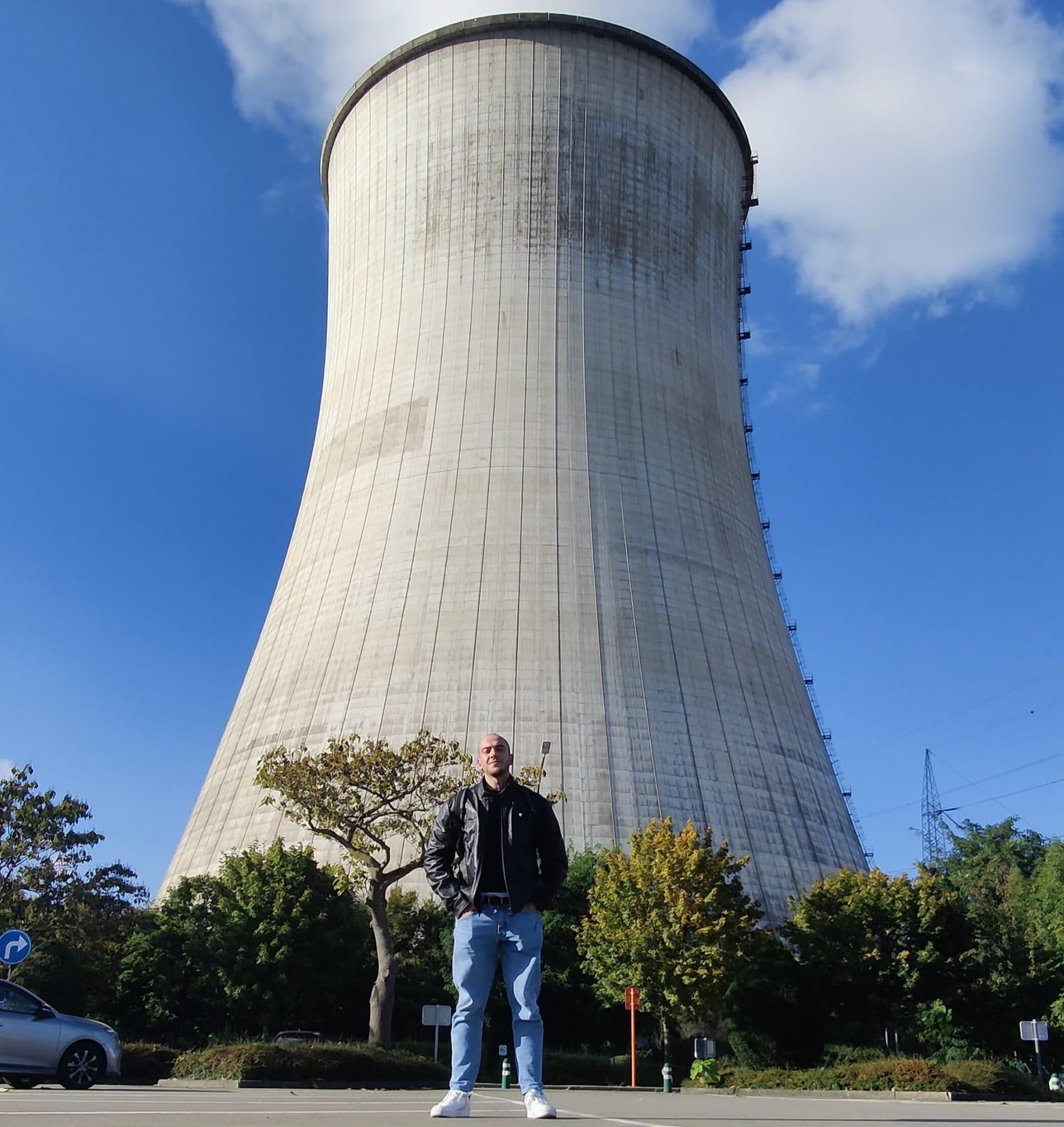
This combination of responsibilities has allowed me to develop a comprehensive approach, from conceptual engineering to on-site implementation. It has been an incredible experience; who would have told me, back when I was in class with professors like Nuria García Herranz or Óscar Cabellos, that I would one day be able to see in person what we used to study on slides or on the blackboard.
What are the most significant aspects of your job?
What I value most about my work is its cross-functional nature and the opportunity to make a real impact. I am not only involved in engineering and contract management tasks, but I am also able to participate in innovation projects and emerging technologies, something that usually requires many years of experience in the sector. In addition, working on critical projects for the safety and efficiency of European nuclear power plants has allowed me to learn firsthand how technical, regulatory, and operational aspects are integrated. I consider myself fortunate to be able to combine field work with research and development, and to contribute to strategic projects that have a direct impact on Europe’s energy transition. Every project is a different challenge, and that variety is what makes each day motivating and enriching.
How did the relocation affect your family/personal life?
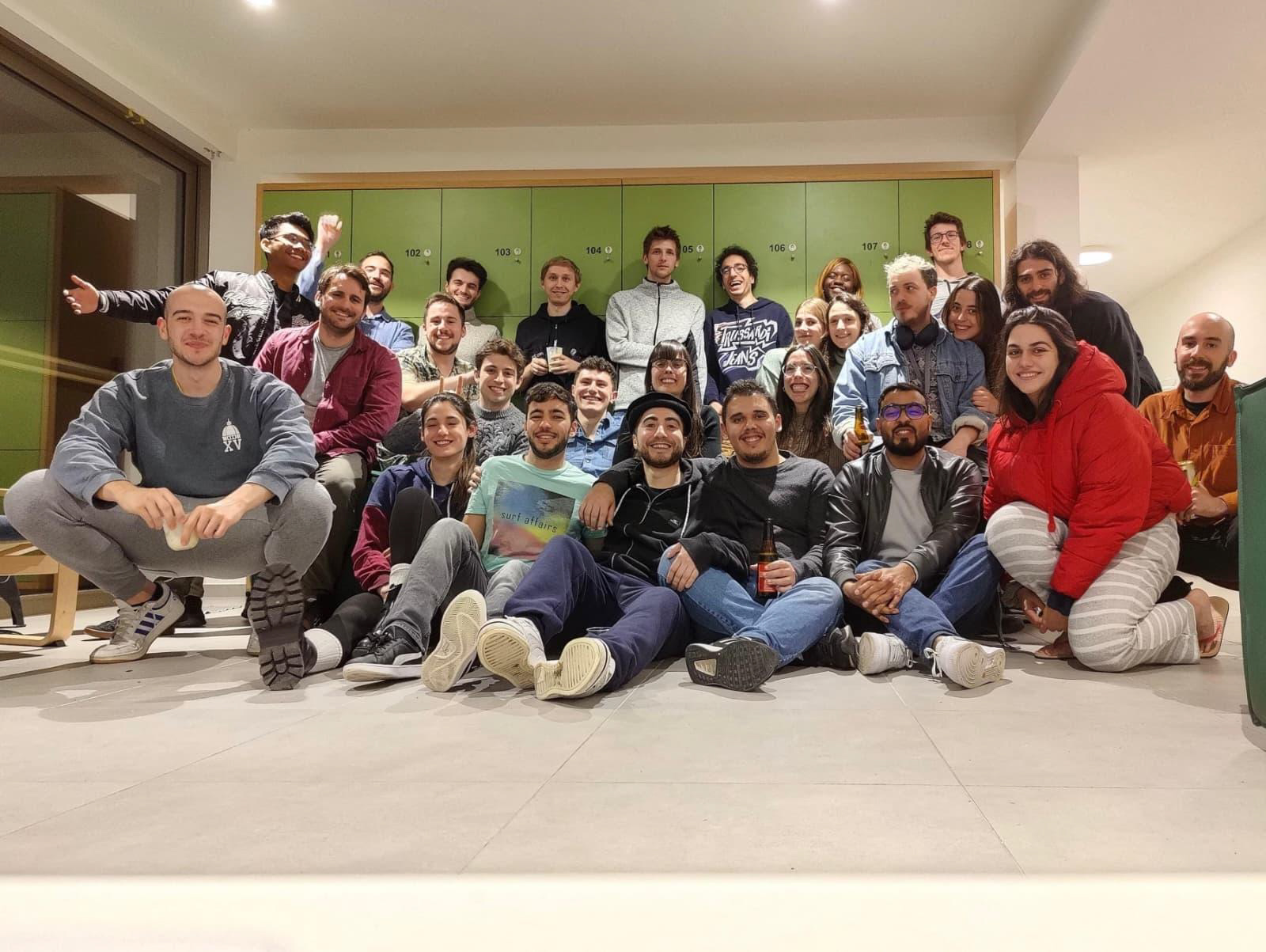
In my case, the first year abroad, during my master’s studies, was relatively easy. I was accompanied by classmates from the same university, and we shared the Boeretang residence at SCK, where we lived alongside other Spaniards. In addition, my work at SCK allowed me to travel frequently to specialized courses and seminars, and I was able to return to Madrid for about a week every three months, which enabled me to balance my academic, family, and personal life quite well.
My second experience in Brussels, during my first working year, has been completely different. Adapting to a new professional environment was not easy: vacation days are limited, and as a result, spending time in Spain as often as I would have liked was difficult, which inevitably affected my personal life. In addition, I began taking part in the fuel-reload campaigns at the Tihange nuclear power plant, which meant spending nearly 80 days on-site to carry out the operation. At the beginning, my French level was very basic and the environment entirely new, which represented an additional challenge.
Today, I feel very proud of the growth I experienced on that project. I started by supervising quality control, and in less than two months I took on the role of technical coordinator, managing the different teams involved in the operation. This experience allowed me to assume responsibilities that many junior engineers do not usually have, and it has been key to my professional development. In addition, my French has improved significantly, and my personal growth has been enormous, thanks also to the collaboration of a fantastic team: operators, project management, and all the contractors involved.
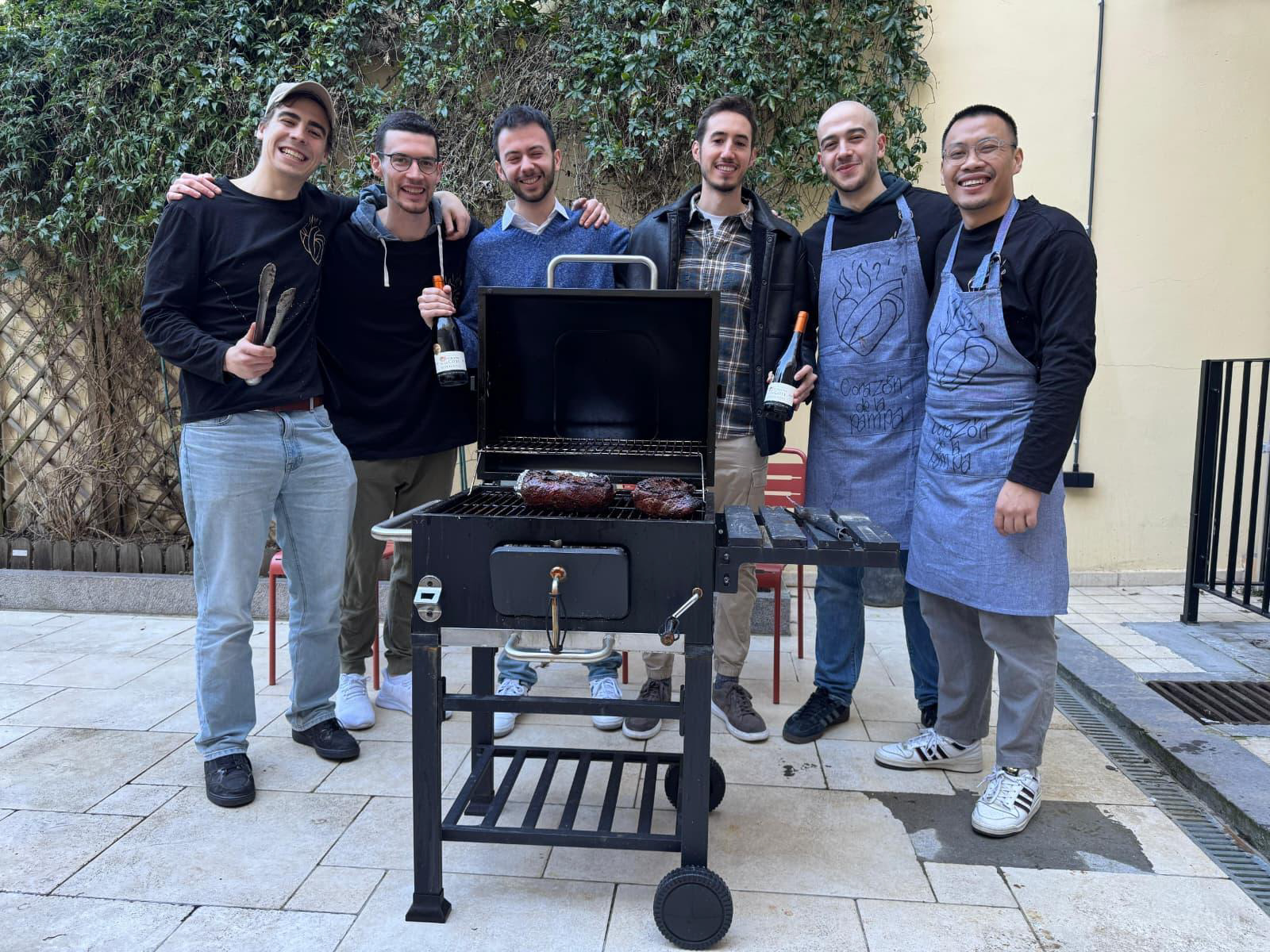
Beyond work, this stage has allowed me to meet many people, and relationships like the ones I have with friends such as Juan and Denis, with whom I share barbecues and time outside of work, have made the experience much more enriching and enjoyable, always leaving me with a smile at the end of the day.
What aspects of Spain do you miss?
Perhaps the most noticeable difference at the beginning is the social environment. In Belgium, people can be a bit more reserved, and many people our age are already married, own a home, and are focused on starting a family, which means they tend to remain within their own circle and maintain very stable social groups, without much openness to new relationships.
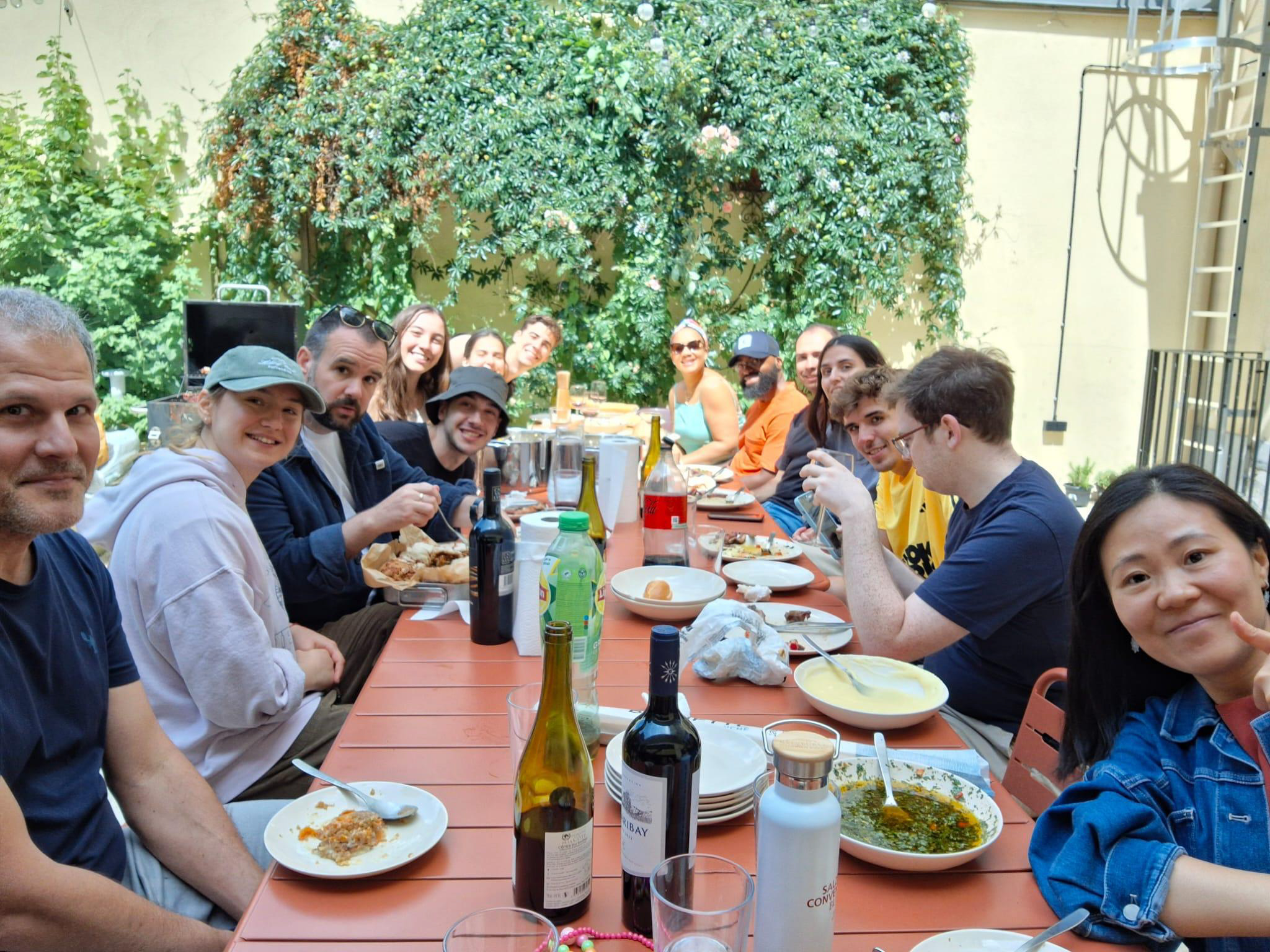
However, Brussels also has a major advantage: it is an extremely international city. This gives you the opportunity to meet people from all over the world, with very diverse cultures and experiences, which greatly enriches both social and professional life. The only particular aspect is that, due to the high turnover of people working in international institutions such as NATO, the European Commission or the Parliament, many of these relationships are temporary; it is common for people to move to another destination after six months or a year. Even so, this constant mix of cultures and experiences makes living in Brussels stimulating and full of learning opportunities, both professionally and personally.
Would you encourage young people—and not so young people—to broaden their professional horizons beyond our borders?
Absolutely, yes. To be honest, it’s not easy at first stepping out of your comfort zone never is. But the reward is enormous. On both a personal and professional level, the growth you experience is unmatched: your horizons expand, your opportunities multiply, and you learn to prioritize your goals and your career much more clearly, without geographical location being a limitation.
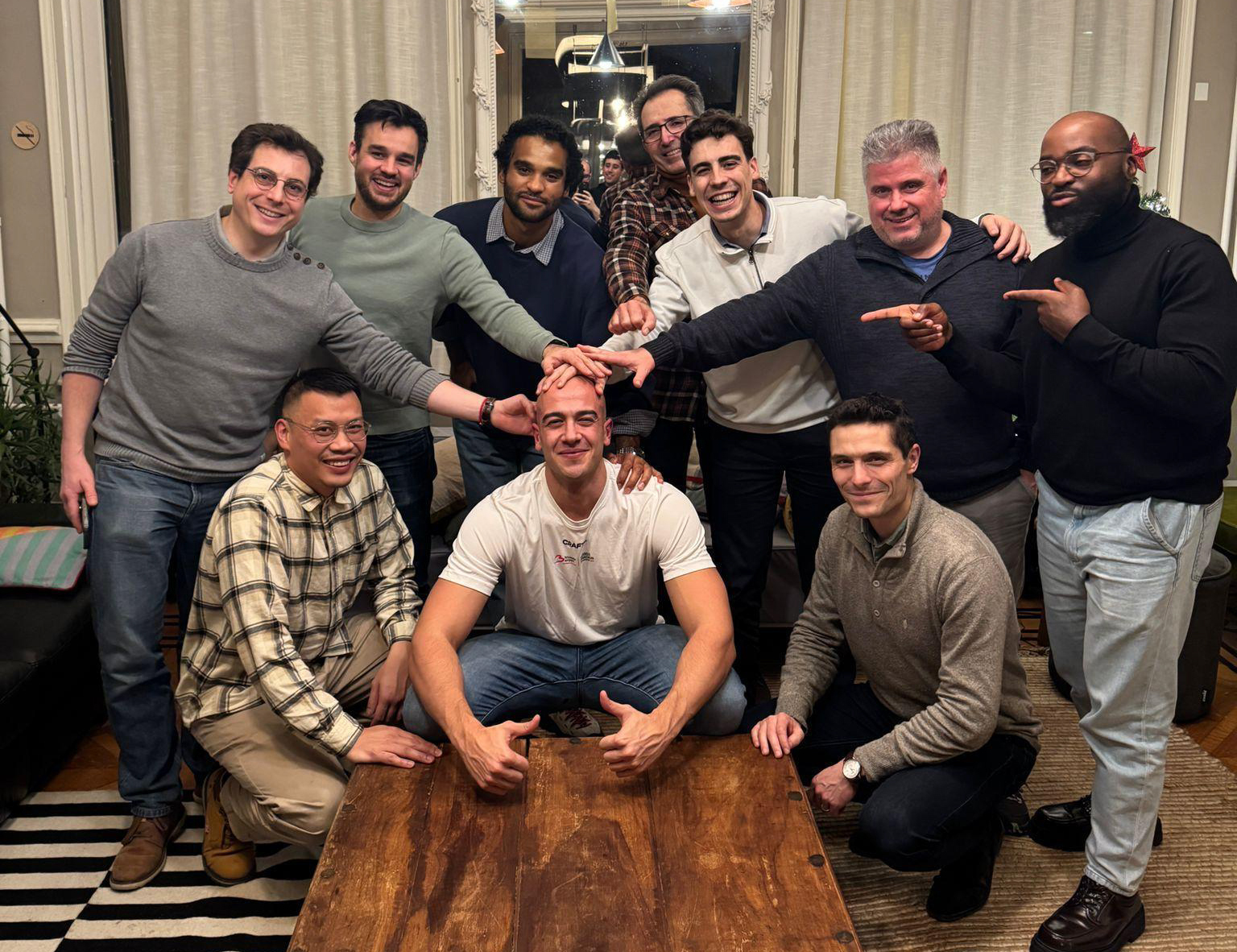
It is true that you feel the distance from your loved ones, and that at times you miss out on important moments, but at the same time, you meet new friends, immerse yourself in different cultures and languages, and open yourself up to experiences you could never have imagined. Each day becomes a new adventure, and in the end, all these experiences enrich not only your professional journey but also your outlook on life.


