

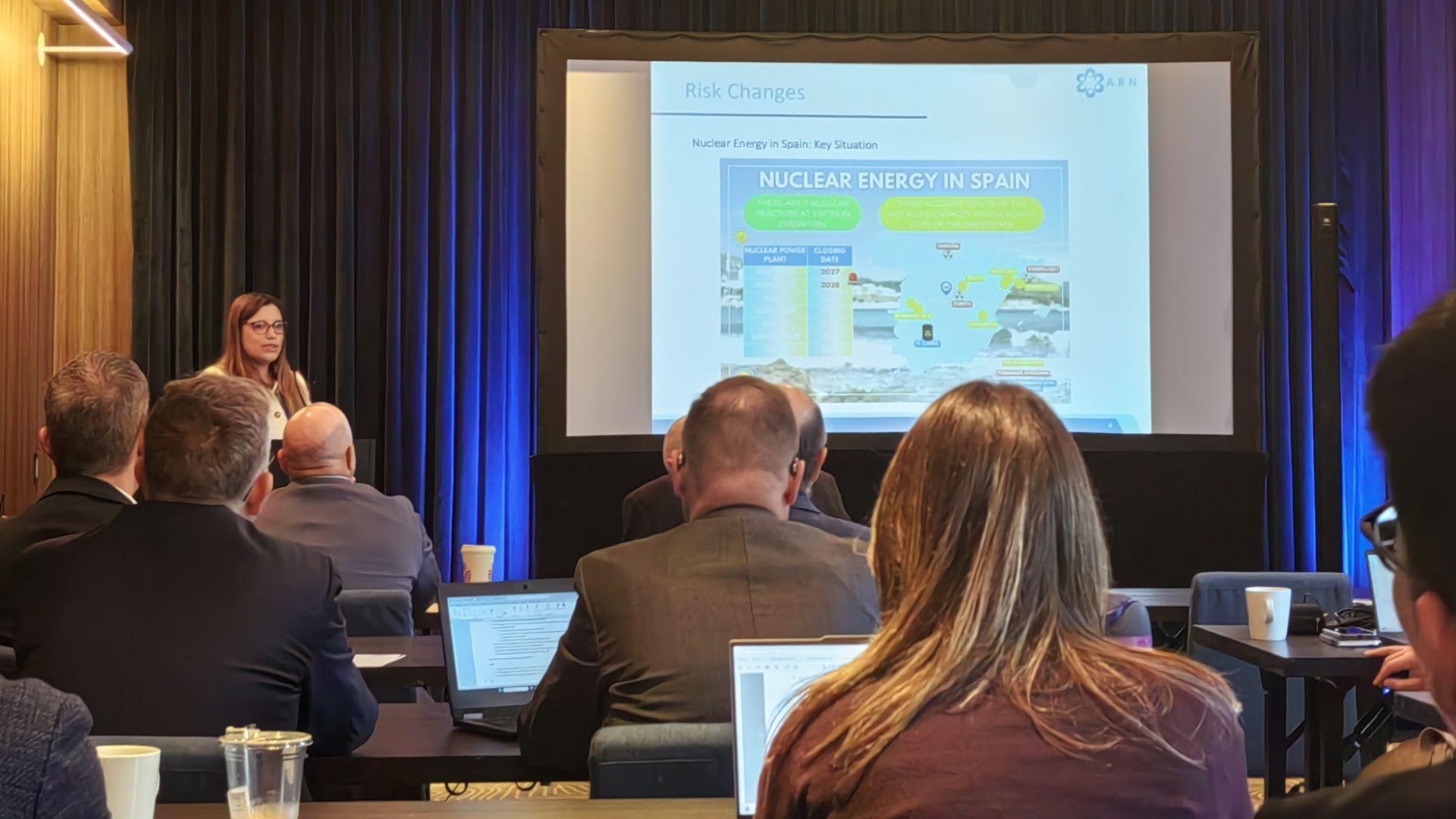

Security and insurability: a key difference
From a regulatory perspective, the answer might seem straightforward. If an installation complies with the applicable technical standards, operates within expected parameters and has the appropriate barriers and procedures in place, one could assume the matter is settled. From an insurance perspective, however, the conversation includes an additional layer, because safety and insurability, while closely related, are not exactly the same thing.
While safety responds to a technical and regulatory logic, insurability raises a different question: to what extent is that risk sufficiently understood to be assumed economically? It may seem like a subtle distinction, but in practice it makes a meaningful difference.
The role of nuclear pools
In the nuclear field, this assessment is not carried out in isolation. Given the nature of the risks involved, insurance is largely structured through nuclear pools — specialised mechanisms in which multiple insurers combine financial capacity and technical expertise to cover risks that would be extremely difficult to assume individually. But their value lies not only in the capacity they provide. It also lies in the technical judgement built over decades of analysing installations, operators and technologies across different markets.
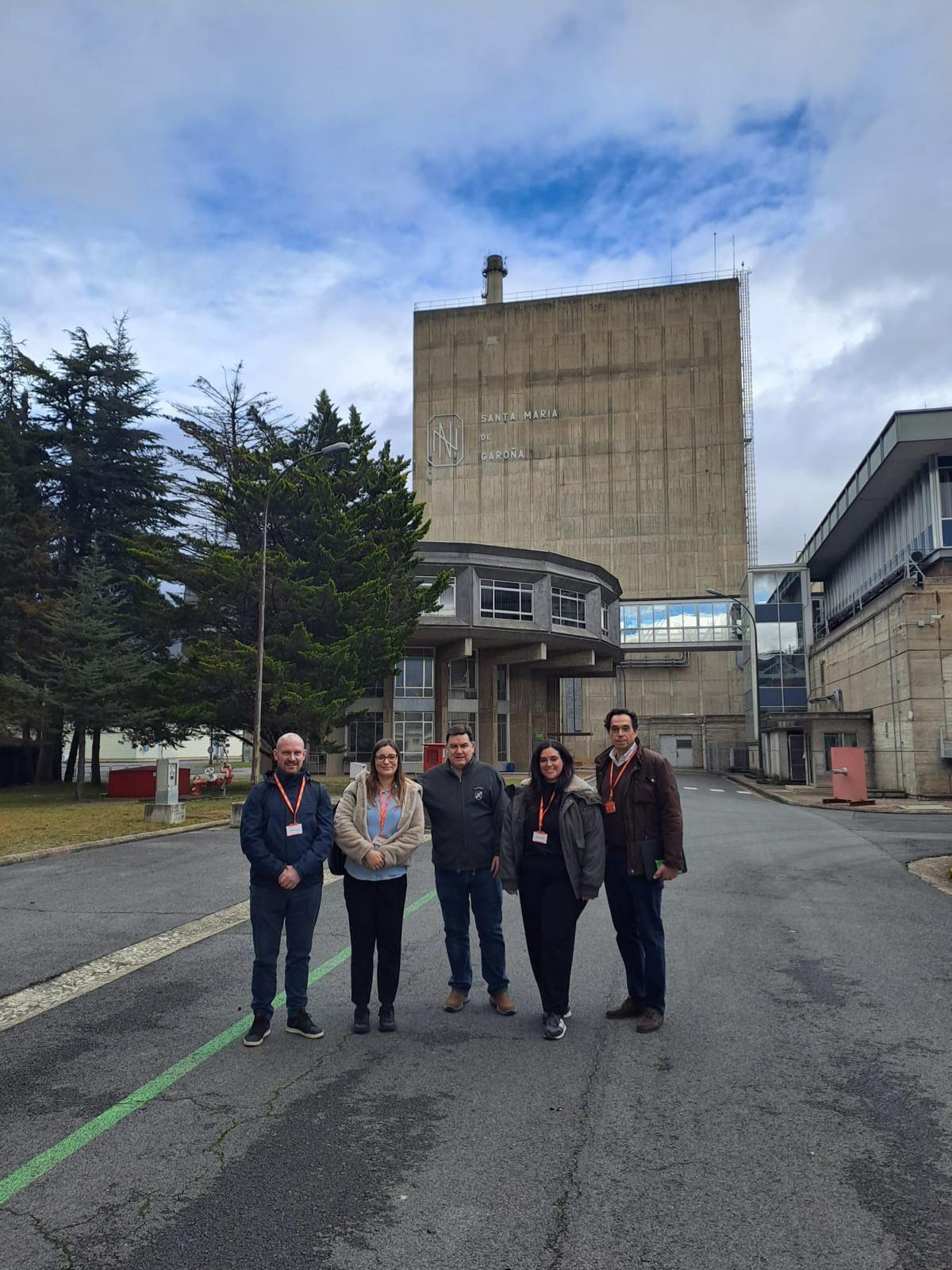
That knowledge is not developed through documentation alone. A key part of the process is understanding how an installation actually operates, which is why periodic technical inspections play such an important role. The objective is not simply to confirm that appropriate systems exist, but to assess how they function in practice, how operational deviations are managed, and how decisions are made when reality does not align perfectly with what was expected on paper.
This is precisely where the distinction between safety and insurability becomes more visible. An installation may be considered safe from a regulatory standpoint and still generate caution within the insurance market. Not because its safety is in question, but because certain uncertainties may be difficult to characterise limited operational experience, a lack of comparable references, or emerging technologies whose real-world behaviour still requires time and observation.
The opposite can also be true. The fact that a risk is insurable does not necessarily mean it is “safe” in absolute terms. The insurance market may be prepared to accept certain levels of uncertainty, provided the risk can be properly structured through limits, exclusions or reinsurance mechanisms. After all, insurance is not about eliminating risk, but about understanding it sufficiently to assume it within reasonable parameters.
New technologies and risk knowledge
This discussion is particularly relevant at a time when new nuclear technologies, such as small modular reactors (SMRs), are gaining momentum. From an insurance perspective, the key questions are not necessarily about design intent, but about the extent to which the real operational risk is genuinely understood.
For that reason, insurability should not be seen as an alternative to safety, but as a complementary perspective that offers a different way of assessing risk. Because in a sector like nuclear, it is not enough to design systems that are safe. Risk must also be sufficiently understood to be assumed in a coherent and sustainable way over time.


