

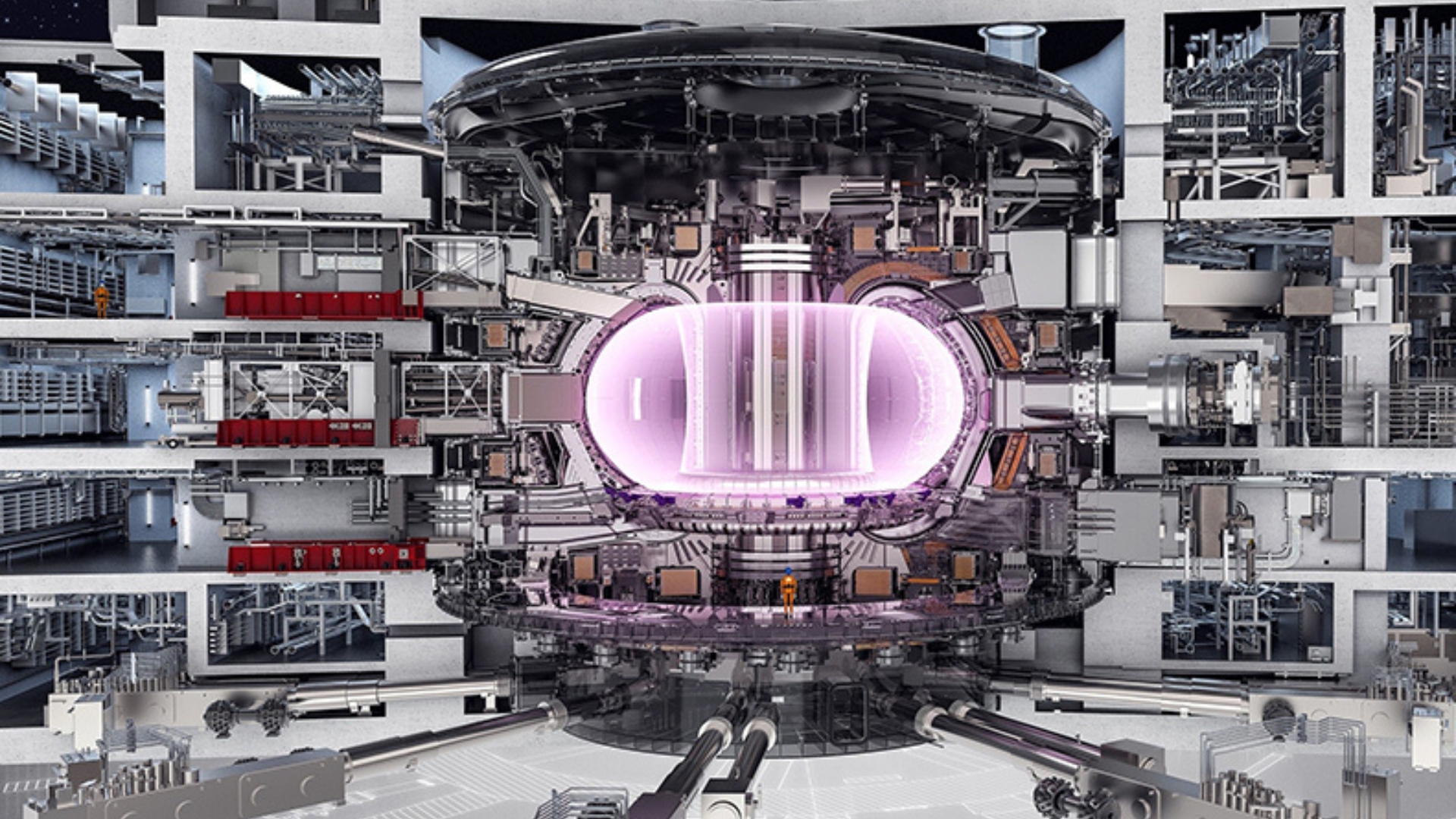

A digital twin is a virtual and dynamic representation of a physical object or system, fueled by real-time data and advanced analytics algorithms. This allows for the creation of a simulation environment that provides precise information about the state and behavior of assets in a nuclear plant. Digital twins are based on technologies such as the Internet of Things (IoT), sensors and monitoring systems, 3D models and simulation software, as well as machine learning and automatic learning algorithms.
The implementation of digital twins in structural inspections offers numerous advantages. It improves the accuracy of inspections and diagnostics, reducing the risk of catastrophic failures and enhancing operational safety. It also reduces costs and downtime by allowing for more efficient preventive and predictive maintenance. Additionally, it optimizes maintenance planning and increases personnel safety by anticipating and addressing potential issues.
A case study in Spanish nuclear plants demonstrates how digital twins have optimized inspections, improving operational efficiency and safety. These tools enable precise element localization, establishment of efficient inspection routes, management of permissions and access, and reduction of ancillary work. Furthermore, they reduce inspectors’ exposure to radiation and enhance personnel training.
However, the implementation of digital twins also faces challenges and considerations, such as integration with existing technologies, data collection and management, accuracy and reliability of 3D models, data privacy and security, and cultural adoption and personnel training. Addressing these challenges is necessary to ensure the success and effectiveness of this technology.
The future of structural inspections with digital twins is promising. Integration with emerging technologies such as augmented reality and robotics, as well as advances in artificial intelligence, are expected. This will lead to safer, more efficient, and sustainable operations in the nuclear industry and beyond.
In summary, digital twins are transforming the way structural inspections are conducted in nuclear power plants, improving safety, efficiency, and profitability of operations


