

Textos y fotografías: Lou Martínez Sancho
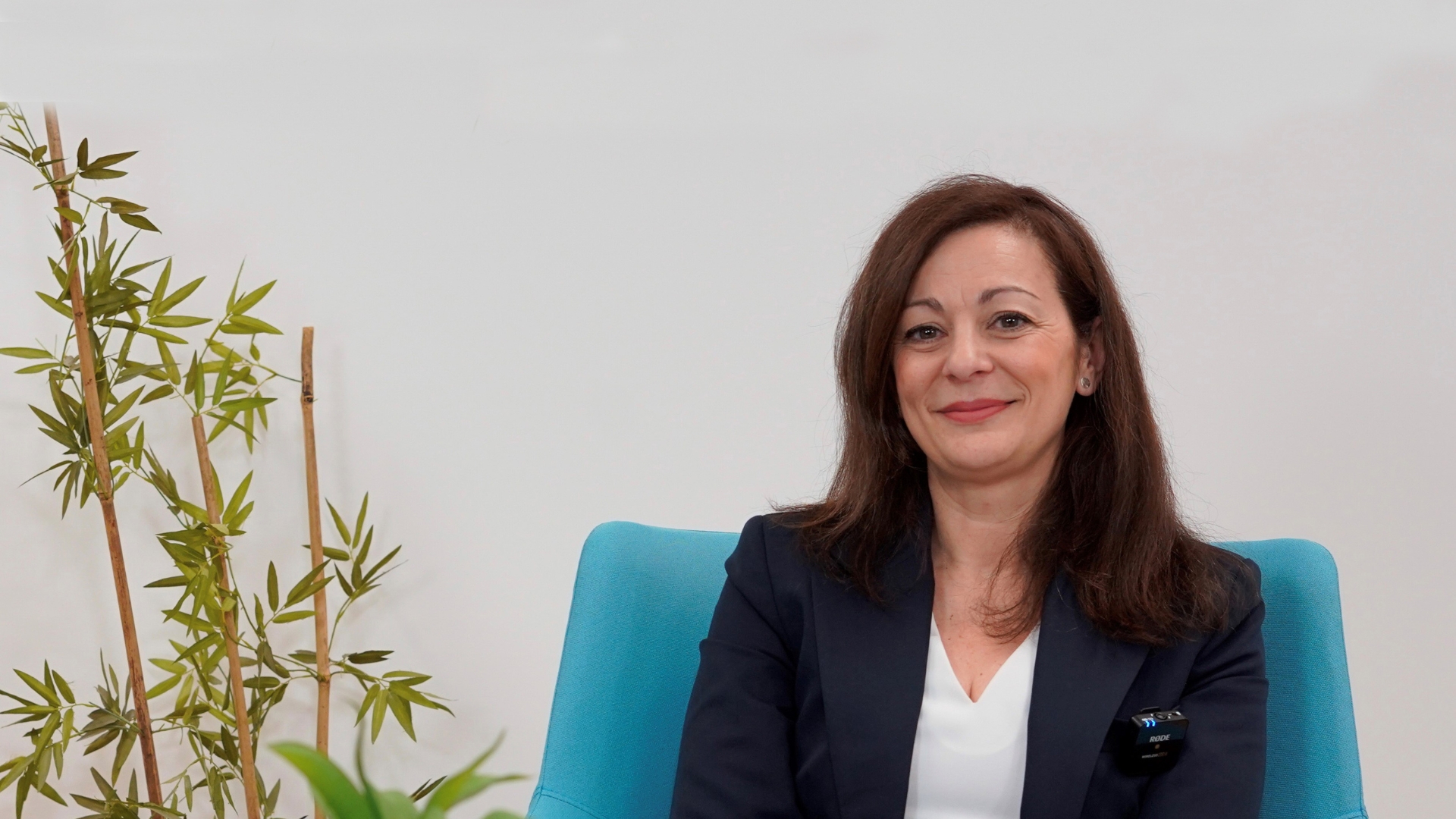
Lou Martínez Sancho, Westinghouse Nuclear’s new Chief Technology Officer and Executive Vice President of R+D, is a graduate of Ramon Llull University in Barcelona, Spain. She earned a Master of Science in Physiology and Biomechanics from the Université Pierre et Marie Curie-Paris VI, as well as in Human Factors from the Université René Descartes-Paris V in France. She is also a Master Black Belt Lean Six Sigma, certified by Ohio State University in the United States. Lou has over 20 years of experience in various industries. She has held leadership positions in energy, biotechnology, automotive, and architecture, engineering, and construction companies. She has been Chief Innovation Officer and Senior Vice President of Innovation and Sustainable Development at Spie Batignolles, Global Vice President of Innovation at Framatome, as well as Executive Vice President of Strategy and Innovation at Kairos Power, with additional oversight of the Supply & Procurement and Marketing & Communications teams.
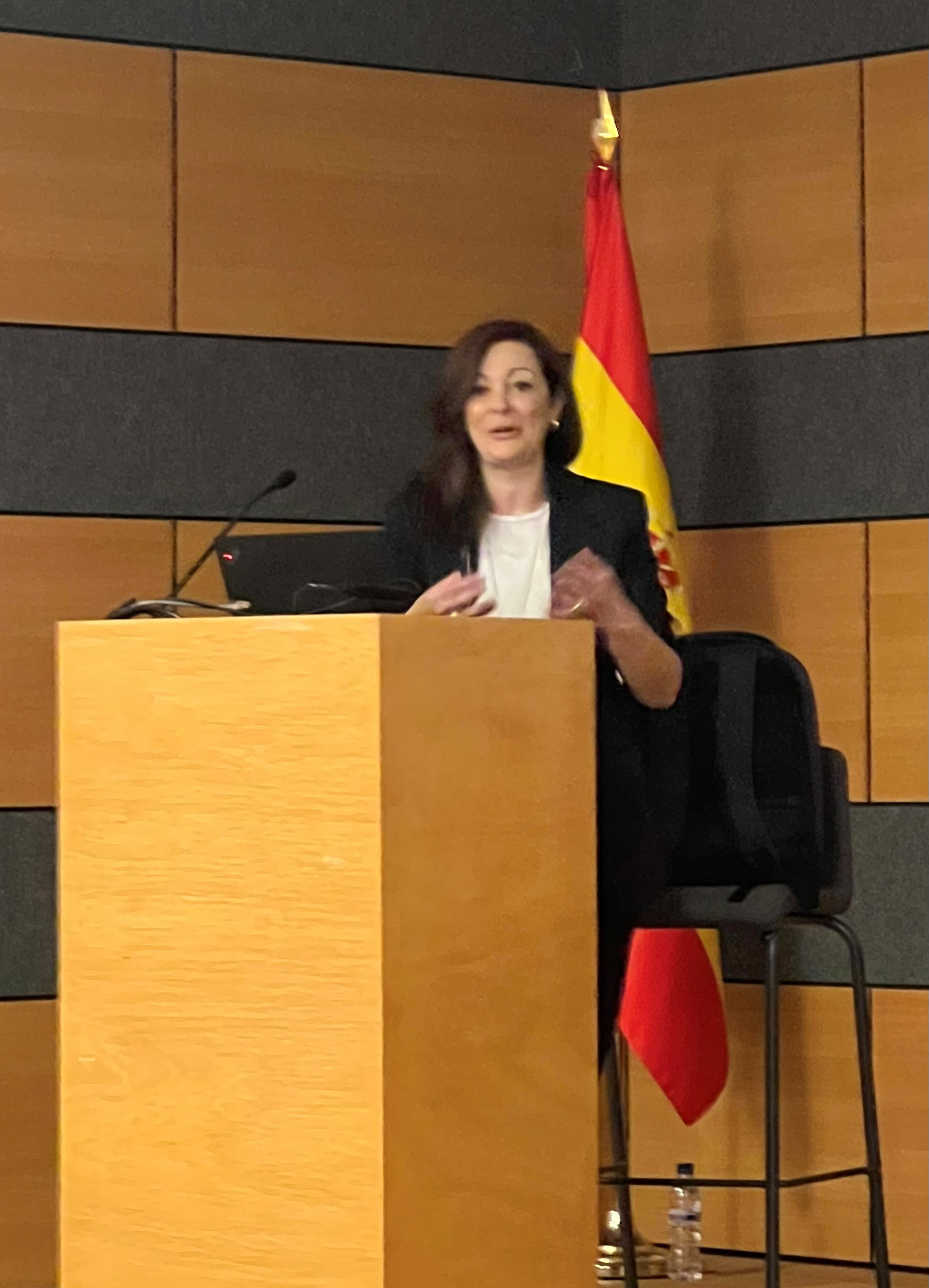
She is currently pursuing a PhD at the University of Cote d’Azur in France. She has recently been appointed to the Governing Board of SNETP, as part of the Group of Private Sector Representatives. Lou currently resides in the United States, and leads Westinghouse Nuclear’s global R&D portfolio, leading the Digital & Innovation team to execute the organization’s product and service technology innovation strategy.
How many years have you been in your current responsibility?
I arrived at Westinghouse just four months ago. I currently hold the position of Chief Technology Officer and Executive Vice President of R&D and Innovation. My responsibilities include managing Westinghouse’s R&D portfolio and Technology strategy. One of my main objectives is to position Westinghouse as a leader in management, design, operation and maintenance of carbon-free energy assets through the implementation of innovative strategies that deliver value in key areas. From this position, I lead a team that seeks to apply cutting-edge technologies, such as: generative artificial intelligence, IOT, digital platforms, simulation, and innovative materials, among others; as well as fostering strategic alliances, which make us more competitive and allow us to increase our range of services with disruptive proposals, focused both on new reactors, such as AP1000, AP300 and eVinci, without forgetting the services for our current fleet in operation.
Which are the main activities of your current position?
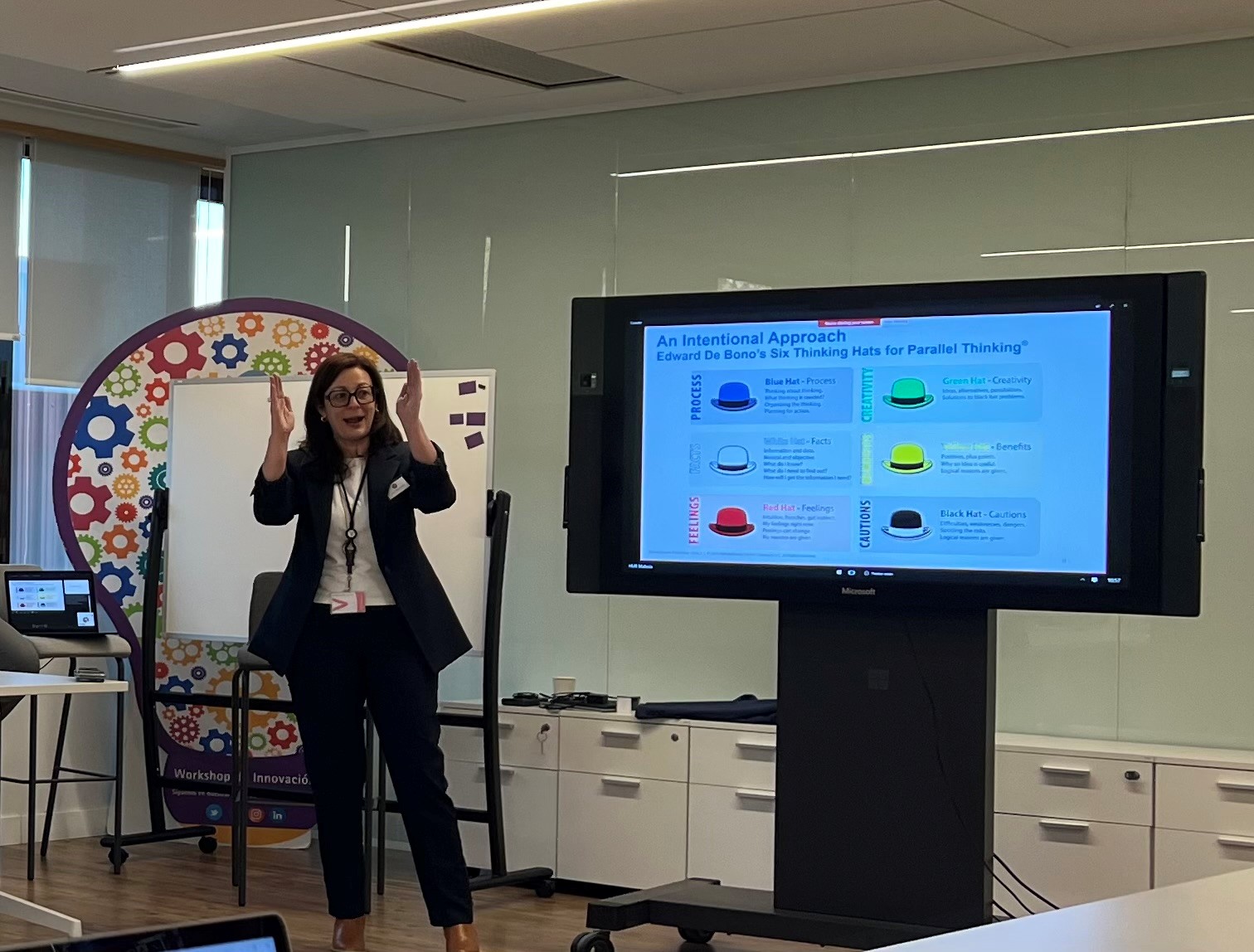
Aligned with Westinghouse’s strategic priorities, my activities are to define and implement the technology strategy to accelerate the access to market of disruptive and innovative products and services, which allow us to support our customers in the most efficient way. They also include the implementation of global R&D and innovation processes at Westinghouse. One of my immediate goals is to ensure that innovation projects are aligned with the needs of all our Business Units to serve our customers. Of course, another essential aspect is to devise mechanisms to continuously promote the culture of innovation in the company.
Which are the most significant aspects of your work?
The concepts that come to mind are transversality, value creation, and support; We are a Directorate whose mission is to serve all of Westinghouse’s Business Units and thereby serve the global nuclear industry. I’m really excited to be a part of Westinghouse. I think we’re living through an incredible historic moment in this organization. One of the things I value most is having joined a company with more than 100 years of experience and knowledge. In the nuclear sector, many plants around the world have equipment or services provided by Westinghouse Nuclear. And today, we are at a stage where the impact of digital transformation and the energy transition is giving Westinghouse enormous momentum to meet the challenges of the 21st century. That’s actually what I’m most passionate about, taking on the challenge of maintaining Westinghouse as a 21st century energy leader with my colleagues.
How did the move influenced your family/personal life?
This is going to be a long story, which I will try to summarize in the best possible way. I’m not a nuclear engineer. I always say that I didn’t choose this path, it was nuclear energy that chose me. And I am very happy that this has been the case, because it has been a wonderful challenge with an incredible social impact, to create technologies for the production of energy on a massive scale, at a good cost, and without CO2 emissions. That has a huge social impact. My motivation has always been science, but with a social impact. Because of my studies, I left Spain at a very young ageI was living in Denmark, in France… I started working in the pharmaceutical industry, due to my studies in Biotechnology, but very soon I moved to the automotive sector, in which I was for almost 10 years, to finally arrive in 2010 in the energy sector, specifically the nuclear sector, when I joined Areva.
How did I get there? I’ve been asked that question many times. At that time we were living through the period known as the nuclear “renaissance”; There was a growing need for energy, for clean energy, and it was hoped to rebuild nuclear reactors at the rate that had been experienced in the 1970s and 1980s. However, in the first decade of the 2000s, there were certain problems of construction and execution in these new “mega projects”, which were somewhat understandable, since nuclear power plants had not been built for more than 20 years in Western countries. Then, Nuclear sector began to look for talent from other industries; professionals with a more operational and innovative mindset, who worked with more disruptive technologies. I, meanwhile, was in the automotive industry, where we were beginning to see opportunities for transformation; We knew that soon, the mechanics we knew would be part of the past, just as we experienced it with the first models of electric vehicles that reached the commercialization phase and we were in contact with other sectors, to train ourselves in that world of tomorrow. One of those companies came to talk to us about energy, nuclear, renewables… That’s how I came into contact with Areva. Some time later they called me, told me that they were looking to create a team with people who are experts in operation, and invited me to be part of that initiative. My answer was: “I’m not a nuclear engineer”, but the truth is that I was passionate about that world. I accepted, and started working at Areva.
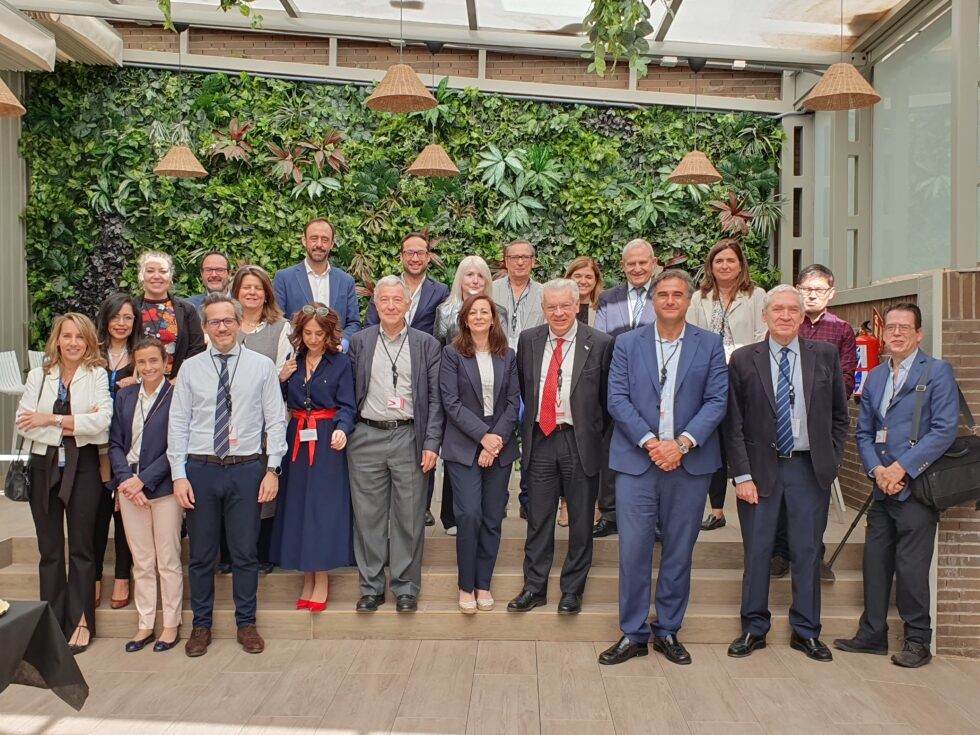
My family is a hybrid family, my husband is French, I am Spanish and my children are totally multicultural. We have lived in many countries, in France, Italy and the United States. We have been in the United States for 10 years, first working with Areva, and then, after the split between Areva and Framatome, I continued working at Framatome Inc. I also spent a couple of years in construction, but I soon returned to the nuclear sector, because when you have become accustomed to working on complex systems, on technologies with the social impact that nuclear energy has, it is very difficult to give up.
Throughout my career, I have found it interesting to regularly go out into other fields and industries, as these experiences have allowed me to explore technologies that we are currently introducing to the nuclear sector. It’s the kind of experience that opens your mind, that allows you, as the Americans say, to think “out of the box”. But hey, there’s always a box. In our industry, we have the nuclear regulator, as well as a number of important social responsibilities with regard to safety, which could represent a barrier, although for me those responsibilities are not a brake on innovation. On the contrary, when safety and regulatory aspects are integrated from the beginning into the innovation process, also bringing technologies that have been developed in other areas, that is where the magic appears and then innovation can be achieved in the nuclear sector.
What do you miss from Spain?
Family, friends… You have to make a sacrifice in getting away from them. I have a wonderful family that has always supported me. They know the impact of what I do. The second thing is the spark, the Spanish picaresque. Above all, working in R+ D is a question not only of means but also of mentality. And the Spaniard’s attitude to difficulties, that is sometimes missing.
Do you invite young people to broaden their professional horizons outside?
100% yes. You have to do it, this kind of experience makes you get out of your comfort zone. Traveling helps you discover that what you know, your vision and your cultural framework, are not unique, but that there are many different perspectives. Traveling makes you a much more empathetic, flexible, and resilient person. If you’re working in a sector like nuclear, going out will be a huge boost to your career. You need that open-mindedness. It is an enriching experience, not only from a technical point of view, which is obvious, because one of the most exciting things about science is the dissemination of knowledge. Being in contact with other disciplines, living with other scientists, that makes you better in your field of competence.
Then there is the human part, the one that sometimes we do not perceive, but that, when we develop a long career, and accumulate experiences, gives us what the Americans call “soft skills”. I must say that in my opinion, these skills are not so “soft”, on the contrary, they are very complicated to develop, and very valuable once you have them. You can do a lot of master’s degrees or academic studies but it is the life experiences, as well as working with international, cross-functional teams, that provide you with the greatest learning; With each of these experiences you will learn something different.
When you return to your work, even when you return to Spain and resume your life, you will always take with you what you have learned abroad. You will also create contacts around the world. And all of a sudden, one day you’ll be at your job, and you’ll be able to say, “I’m going to call this person, who’s working in…”, “I met him when we were working in…”. The value of those contacts, and of the experiences lived, is 100% yes.
In my opinion, it should be mandatory to spend at least a year or two abroad, there are many ways to do it, Erasmus, and many other international plans. Languages are another great asset, as we must not forget that we live in a globalized world, and nuclear energy is a globalized energy. In this sector, we all know each other, we belong to a big international family, our nuclear family.


