

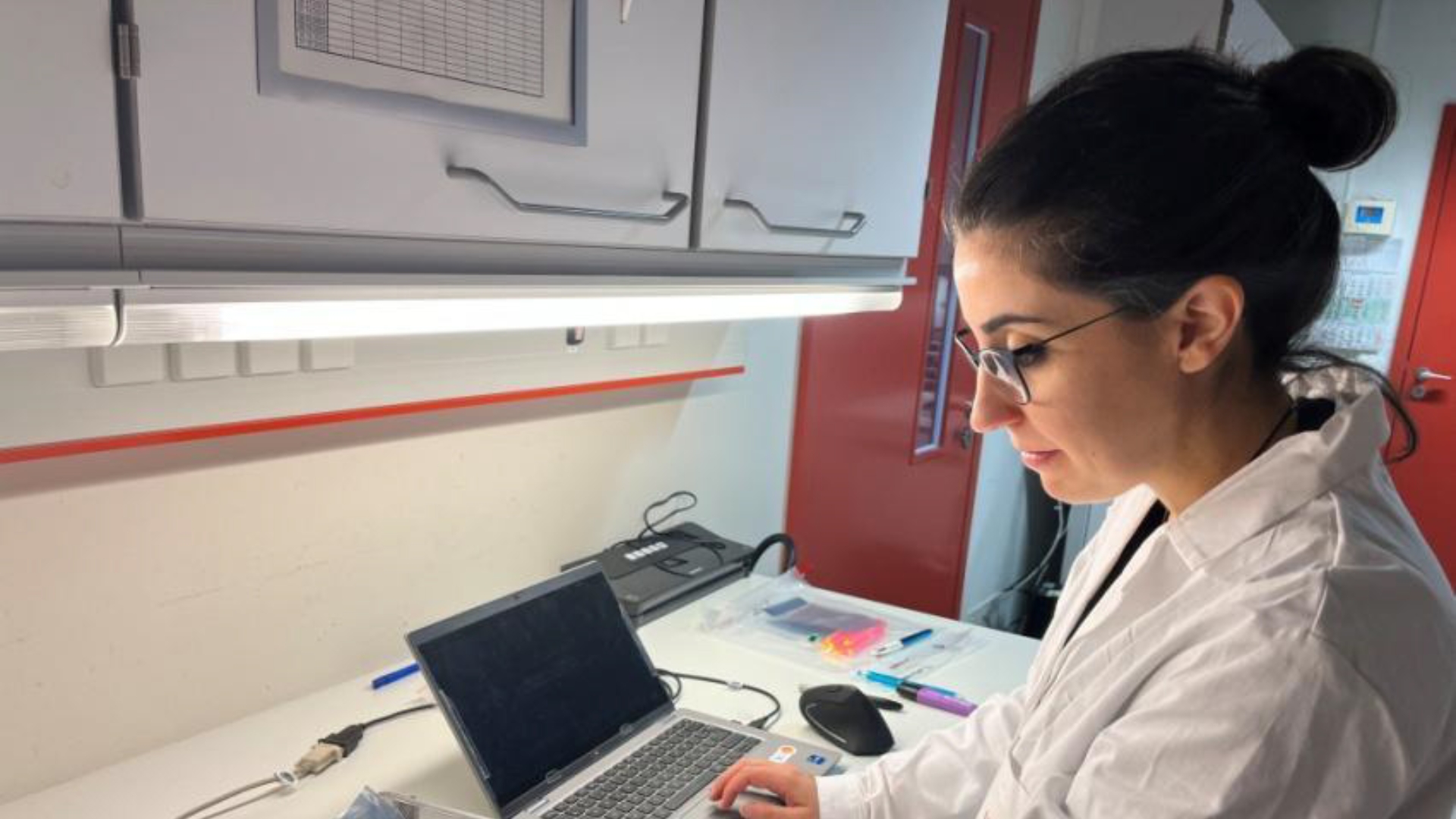
Texts and photographs: Cristina Pérez Gamarra
My name is Cristina Pérez Gamarra, I am a chemical engineer from the Complutense University of Madrid. Initially passionate about biotechnology, an internship at the Trillo Nuclear Power Plant changed my vocational orientation forever. After working, about seven years, at the Chemical and Radiochemistry Section of this plant (and a few more refuelling stops), I decided to give a new direction to my life and career by moving to another country. I currently work as proficiency testing coordinator at the French Authority for Nuclear Safety and Radiation Protection (ASNR) (“Autorité de Sûreté Nucléaire et de Radioprotection”).
How many years have you been in your current responsibility?
I started working as a proficiency test coordinator for the Laboratory of Standards and proficiency testing (LEI) at the former IRSN (“Institut de radioprotection et sûreté nucléaire”) in March 2022, at the Analysis and Metrology Environmental Service. I said former IRSN because, in January 1st, 2025, the IRSN was merged with the ASN (“Autorité de sûreté nucléaire”), creating the ASNR.
My main role is to coordinate proficiency testing for measuring radioactivity in the environment. These tests, in which French and foreign laboratories can participate, allow to comply with the ISO 17025 standard, as we are accredited in the ISO 17043. However, the main objective is to obtain authorization for incorporating the measurements, made by these laboratories, into the national network of radioactive environmental measurements, RNM, which is the equivalent of environmental radiological surveillance in Spain. We also work closely with the General Directorate for Food (DGAL), which prescribes every year one of our proficiency testing.
We work with seven families of matrices (water, soil, biological matrices, aerosols, food, gases, and the environment) and seventeen measurement categories. And we conduct an average of five to six proficiency testing each year.
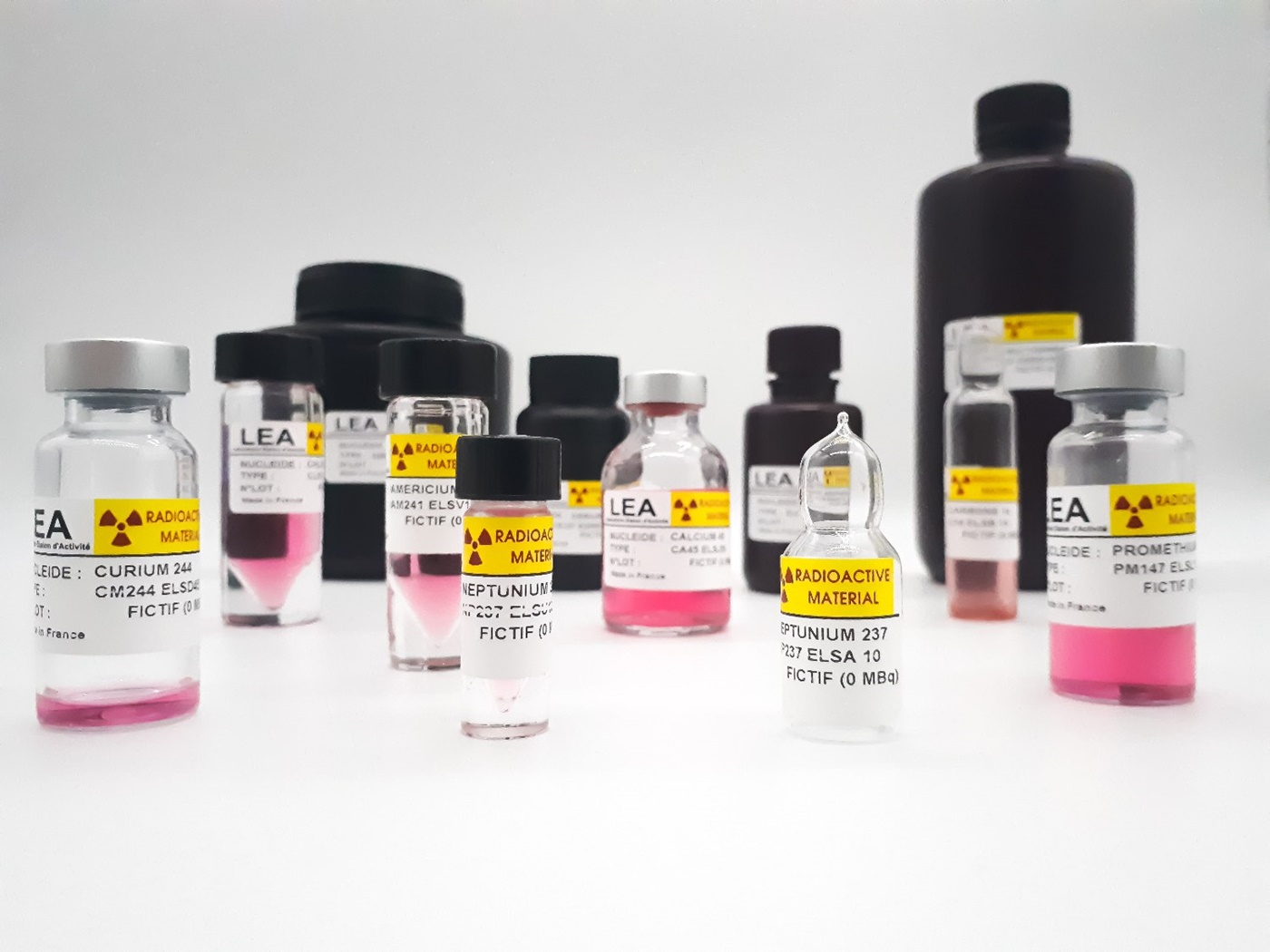
Additionally, I am the radioactive sources correspondent of my service.
Which are the main activities of your current position?
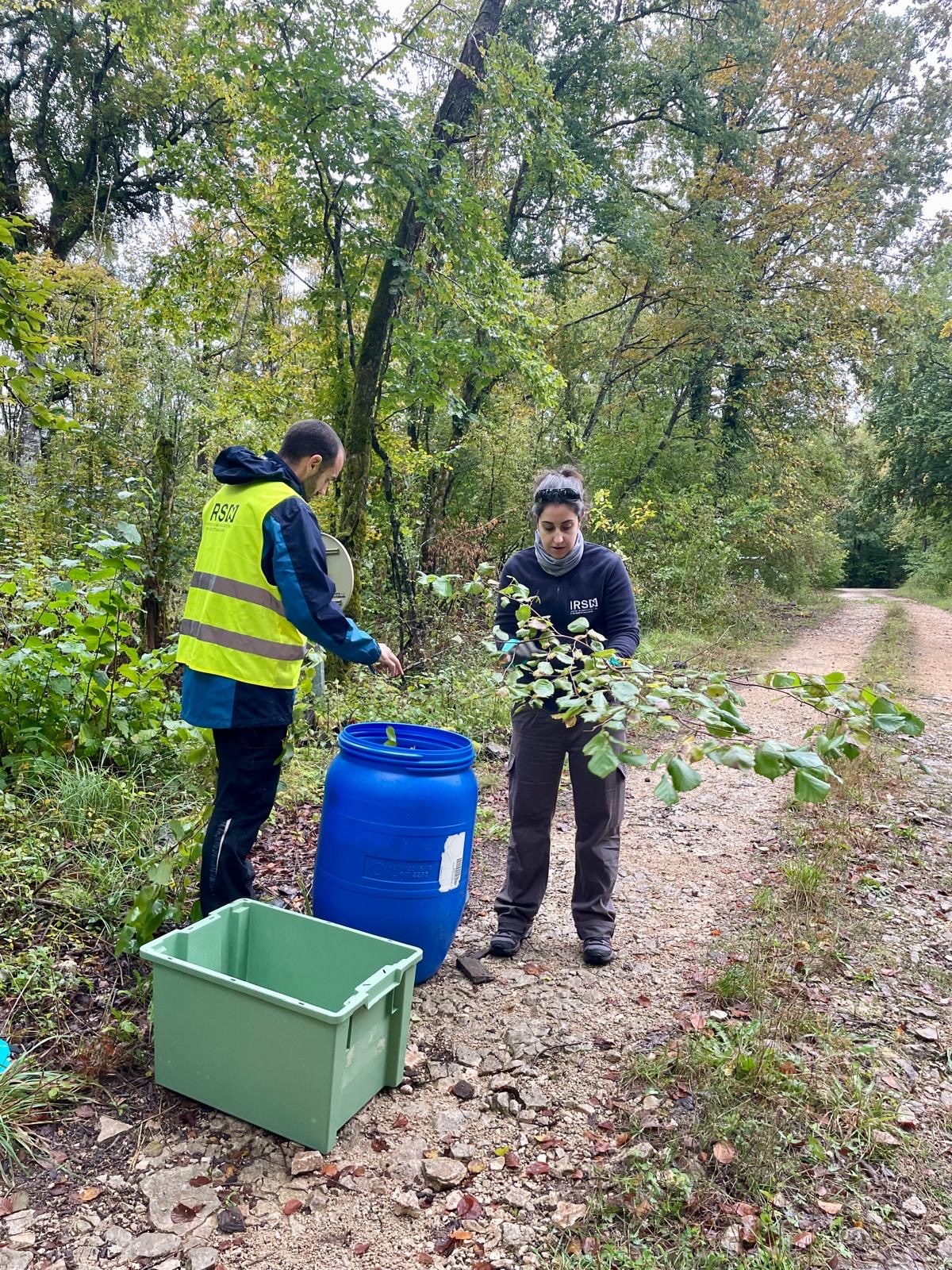
The role of proficiency test coordinator requires being a polyvalent person and implies a good balance of work office-based and field work. One of our main objectives is to look for new matrices, some of them already rich in radioisotopes, and some with a low-radioactivity composition to spike them and to control their final activity.
This led me, for example, to one of my first field missions. During my first year in the job, we collected around hundred kilograms of grass rich in non-natural radioisotopes as they were near to an old uranium mine and, in another mission, seawater to later dope it with beta-emitting radioisotopes. And not to forget my latest mission, where we collected tree leaves rich in organically bounded tritium.
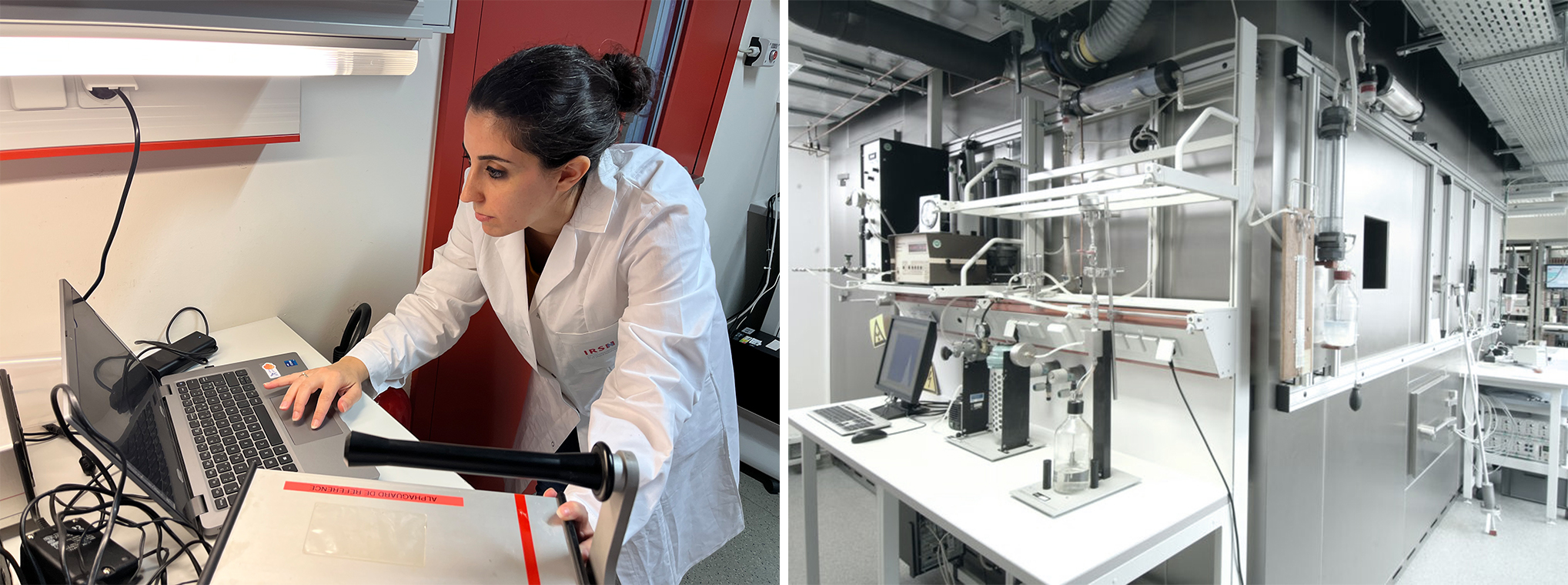
One of the great challenges I have faced since joining this role is organizing the proficiency testing related to radon measurement, both in air and water.
One of my first tasks when I arrived at LEI was to search for European accredited laboratories and institutions where we could expose passive radon measuring instruments, for our proficiency testing. These exposures were previously carried out at the BACCARA installation, a radon exposure chamber developed by the Institute, but unfortunately, it was dismantled at the time of the proficiency testing. As a result of this search, we initiated an international collaboration with the German Federal Office for Radiation Protection (BfS) (“Bundesamt für Strahlenschutz”).
To conduct this proficiency test, we worked at their facilities in Berlin, and the exposure test took place in a 30 m² radon exposure chamber over two periods of about 15 days each. The proficiency test was a success. It was a fulfilling experience, not only for myself but also for the whole team. It was the first time that we had conducted an entire proficiency test outside of our facilities and abroad. Although it’s hard to believe, but the biggest challenge of this entire project was the shipping coordination involving different international shipping companies, that had to comply with a very tight shipping schedule.
I am also assigned to the maintenance of our website, CILEI, along with one of my peers and the IT development department, which allows us to communicate with our clients and where we publish our proficiency testing results.
Our laboratory is also responsible for the preparation and distribution of radioactive standards to some of the ASNR laboratories. And another of my duties is to validate these standards preparations. This year, I am leading a very interesting project: the creation of a database to manage these radioactive standards, from the purchase of the mother radioactivity solutions to the management of the radioactive waste generated from them. This project is closely related to my cross-functional role as a radioactive sources’ correspondent.
Which are the most significant aspects of your work?
I work for a small laboratory of six people, so versatility and teamwork are essential and the foundation of our success. Whether we are analysts, engineers, or laboratory managers, we all pitch in when required.
As proficiency test coordinator, my main mission is to ensure impartiality and confidentiality. I must also guarantee the homogeneity and representativeness of each and every sample. Lastly, I am responsible for handling of the results reported by each participating laboratory.
As a radioactive sources’ correspondent, my main role is to ensure the monitoring of the inventory of radioactive sources in our possession.
How did the move influenced your family/personal life?
My relocation to France was motivated by family reunification. My husband had already been in Paris for nine years, and due to the lack of job opportunities in research and development for him in Spain, combined with my growing desire for a radical change in my professional trajectory, I decided to start studying French and move to Paris with him in 2019.
My first job in France was in a pharmaceutical company. This allowed me to explore an entirely new sector, very different from the nuclear field. After this first job, I moved to an engineering service company where I worked on drafting post-accident guides for the French nuclear park. Those months helped me improve my understanding of the operation of the French nuclear power plants. Finally, in March 2022, I joined my current position at the IRSN (now ASNR).
Looking back, I can say that this has been a very interesting and challenging period. My first experience upon arriving in France was one of their famous transport strikes, and soon after, the Covid-19 pandemic happened, so let say it was a rough start. With that being said, it hasn’t stopped me from making good friends from all over the world. Therefore, I can say that my decision to move to Paris was very positive, not only on a personal level but also professionally.
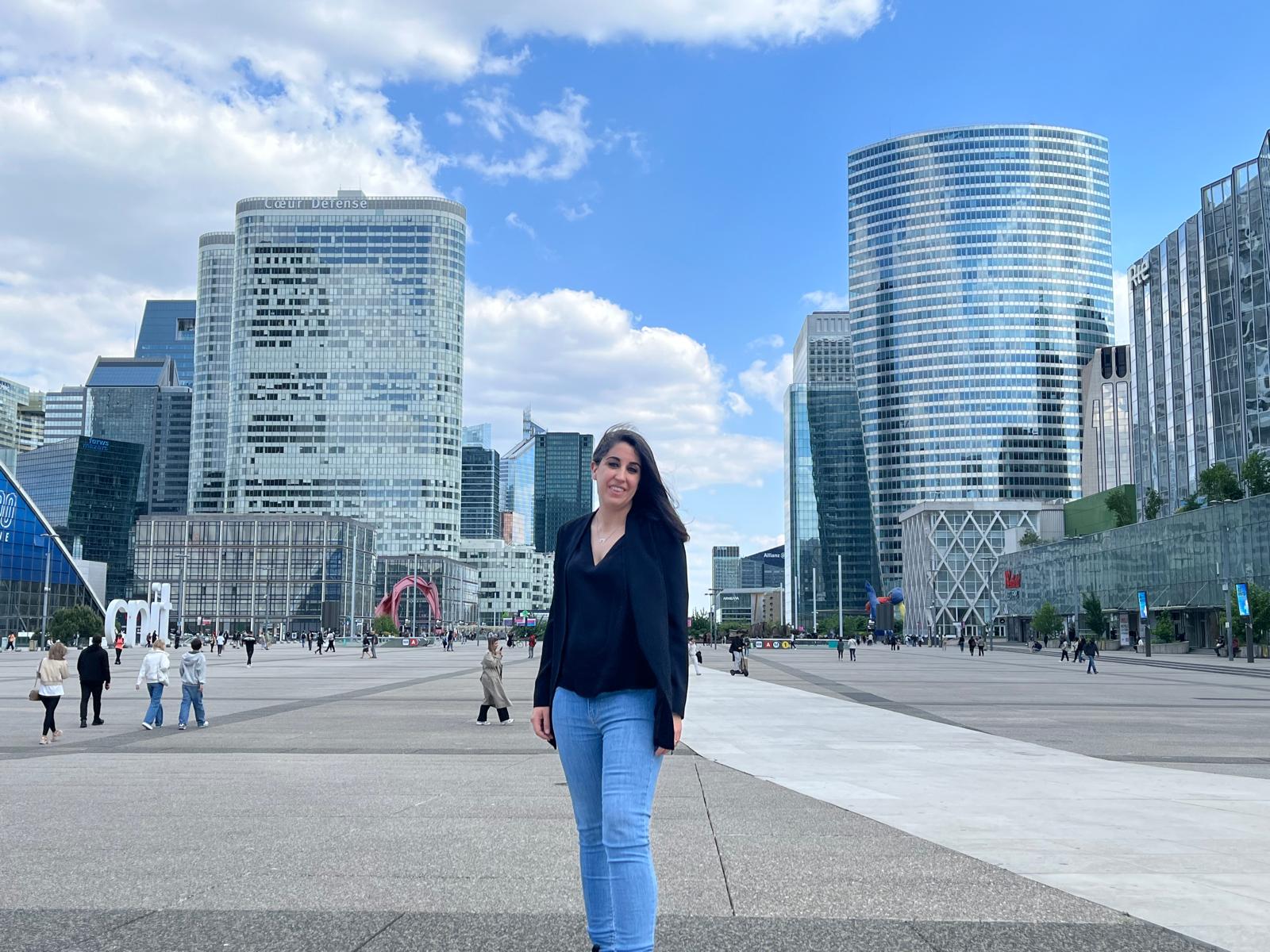
What do you miss from Spain?
The sun and the weather, although it may sound “cliché”. The sun doesn’t shine in Paris as it does in Spain (even though the sky in the photo above looks amazing). Luckily, weekend trips are easy to make. Although I visit Spain frequently, I do miss my family and friends. The distance is not always easy, and there are times when it’s harder than others. Lastly, and no less important, I miss the warmth of the Spanish people, going to a bar for a vermouth with friends… but luckily, Paris is a very cosmopolitan and vibrant city, and you can find almost anything. We have our “Parisian family” here, which makes us feel at home.
Do you invite young people to broaden their professional horizons outside?
Definitely! I think it’s very enriching to step out of our comfort zone and face the “unknown,” different cultures, and ways of life; this allows us to gain perspective on what we had assumed to be “normal.” It has allowed me to experience different ways of working, facing the world, and dealing with problems. I try to take the good and learn from the bad in order to improve.
I wasn’t able to go on Erasmus during my studies, and working abroad was something I had on my mind, so when the opportunity came up, I didn’t hesitate. It’s something I have no regrets about.


