

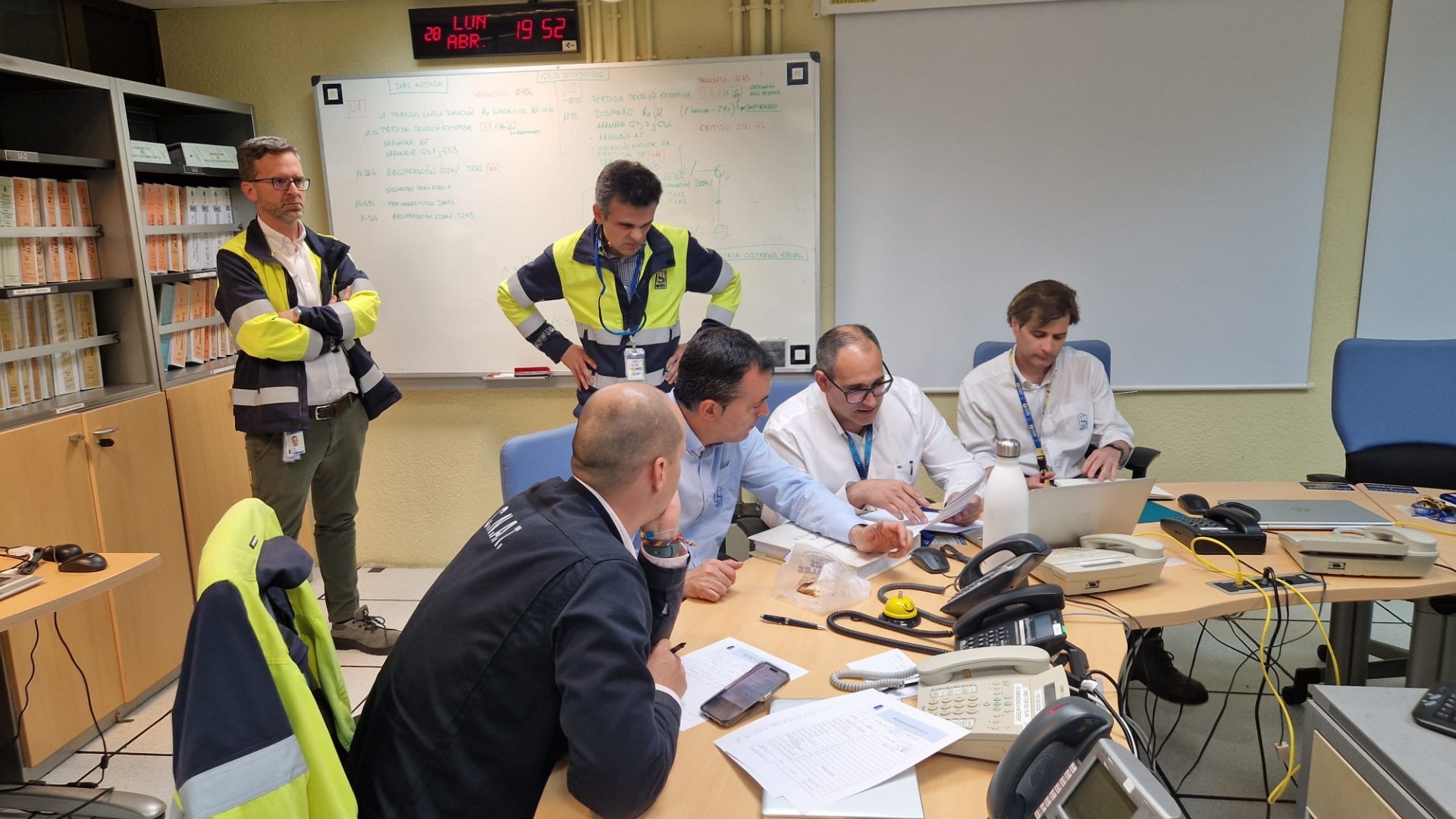

Internal communication and risk prevention
Internal communication is defined as the set of processes that enable the circulation of information within the organization. In the nuclear field, its importance is critical, as it includes operational instructions, technical data, and risk alerts. It is not enough to merely transmit information; it must be clear, understandable, and applicable to decision-making. Clarity prevents ambiguities that could lead to errors, while timeliness ensures that information reaches the right people when it is needed.
Another essential feature of effective communication is its bidirectionality. It should not be limited to a top-down flow from management but must involve all hierarchical levels. This exchange allows risks to be identified, operational knowledge to be captured, and participation to be encouraged. Likewise, transparency fosters a learning culture in which errors are shared to improve processes rather than concealed out of fear of repercussions.
For its part, work motivation acts as a driver of behavior. In environments where discipline and precision are essential, motivation promotes adherence to procedures, sustained attention, and commitment to safety. A distinction is made between intrinsic motivation, linked to the meaning of work and values, and extrinsic motivation, associated with external rewards. In the nuclear industry, intrinsic motivation is particularly important, as it encourages safe behavior even in the absence of direct supervision.
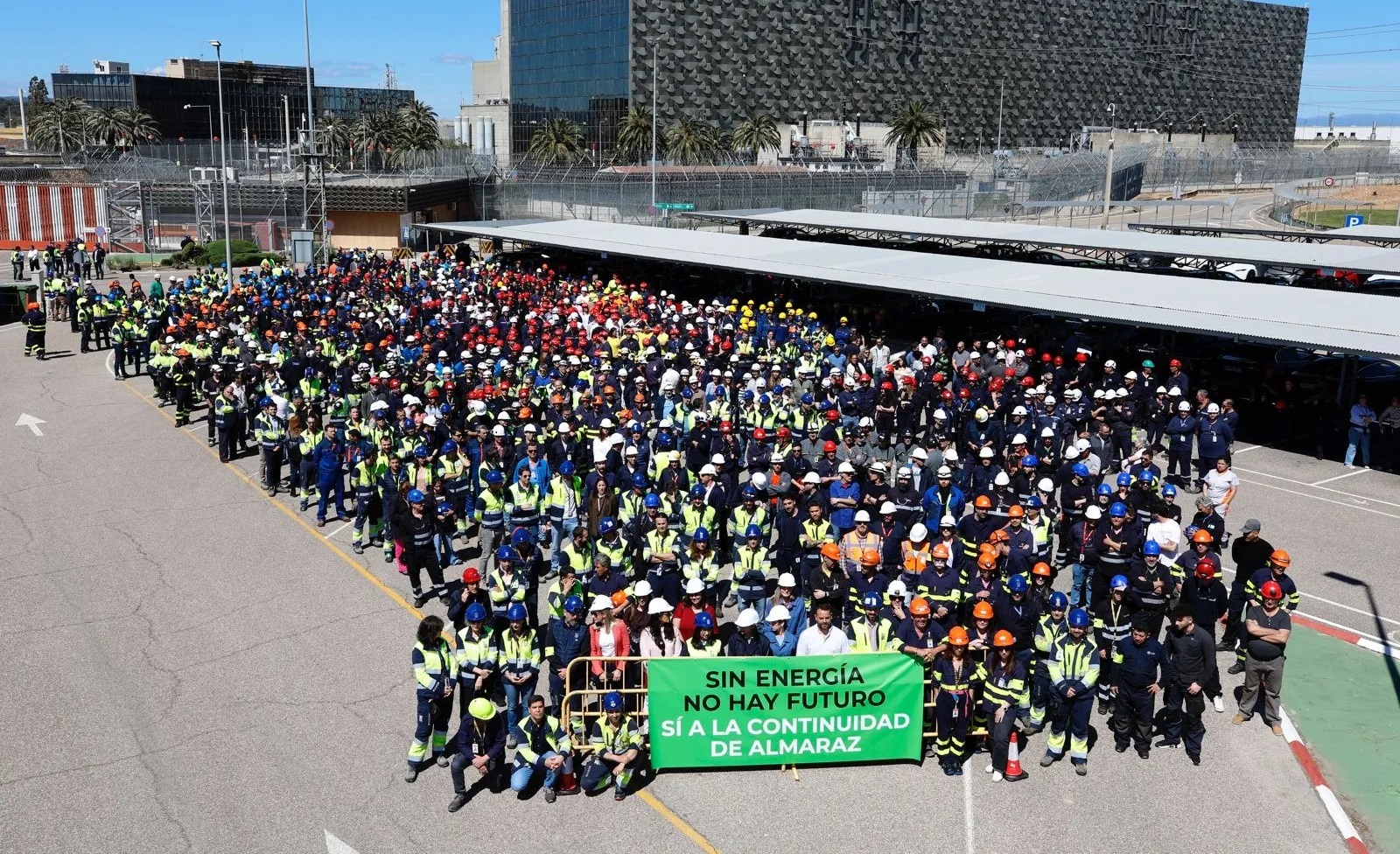
Leadership, trust, and safety culture
Both variables are deeply interconnected. Clear and respectful communication builds trust, which in turn increases motivation. At the same time, motivated employees actively participate in communication processes, providing information and identifying risks. This virtuous cycle reinforces the safety culture.
Leadership plays a fundamental role in this framework. Leaders not only transmit information but also shape behaviors and values. Consistent, participative, and safety-oriented leadership contributes to strengthening both communication and motivation. In addition, knowledge management is key: accumulated experience must be shared to enable continuous improvement, a process facilitated by communication and driven by motivation.
The article also highlights the importance of preventing complacency in environments where incidents are rare, as well as fostering organizational resilience in the face of unexpected situations. Organizational trust and psychological safety are cross-cutting elements that allow employees to express doubts, report errors, and participate without fear.
Organizational learning and continuous improvement
From a broader perspective, the text emphasizes that safety culture is dynamic and multidimensional. Factors such as digitalization, workforce diversity, the regulatory environment, workload, and ergonomics influence the effectiveness of communication and levels of motivation. Likewise, risk perception, emotions, and employee well-being affect safe behavior.
Organizational learning and the concept of a just culture are also highly relevant. An approach is promoted in which errors are analyzed without blame, distinguishing between unintentional mistakes and negligent behavior. This supports continuous improvement and encourages incident reporting.
Finally, the article concludes that consolidating a robust safety culture requires an integrated approach that combines communication, motivation, and other organizational factors. Policies should promote continuous feedback, participation, and alignment between values and practices. Only through this integration is it possible to ensure high and sustainable levels of safety in a demanding environment such as the nuclear industry.


