

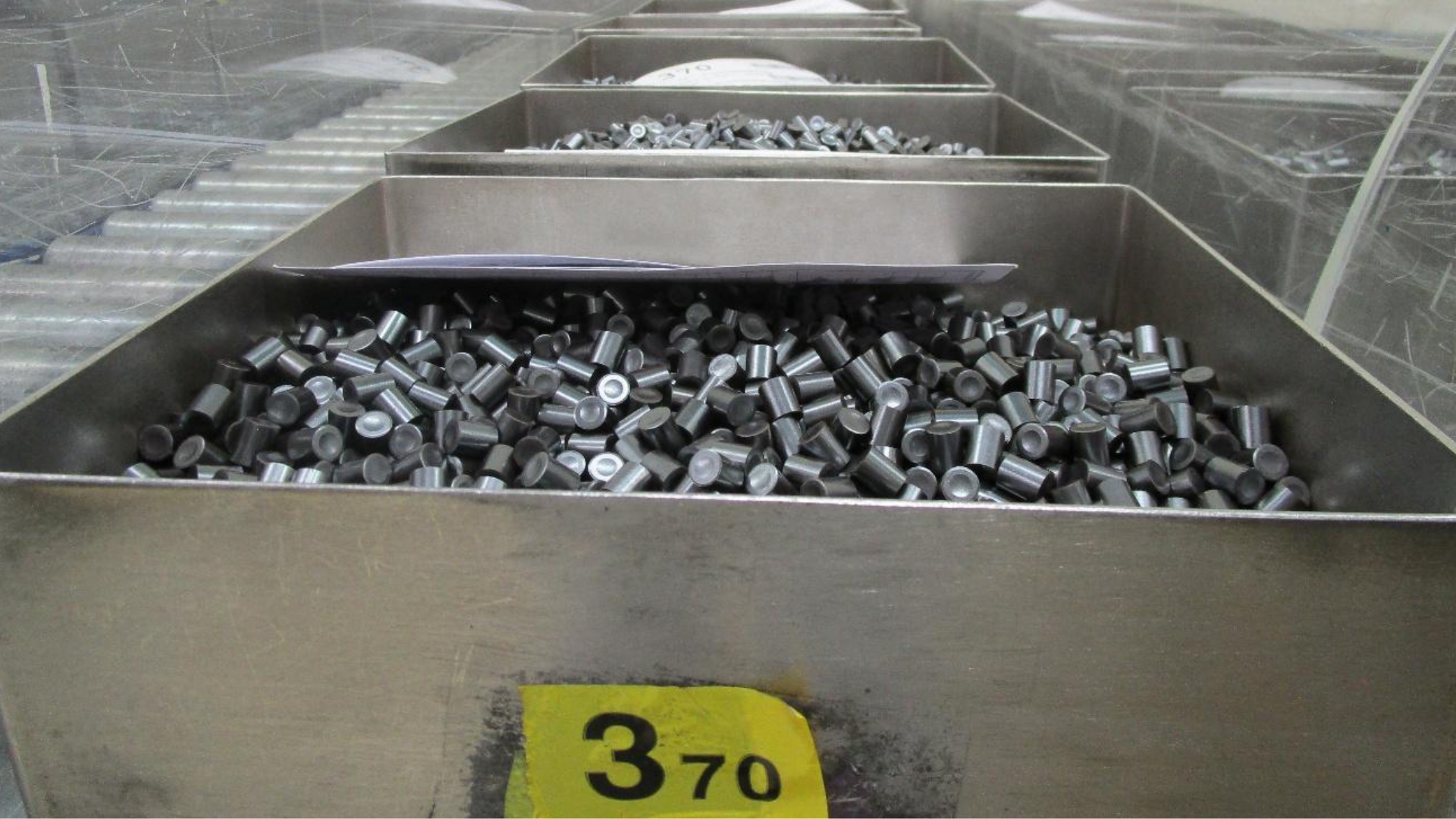

From a scattered model to integrated management
For decades, this model enabled safe and effective management, supported by administrative regulations, engineering controls, and operating procedures. However, information regarding criticality control was scattered across various documents, which made it difficult to integrate into a clear regulatory hierarchy and meant that part of the system’s robustness depended on administrative measures susceptible to variability.
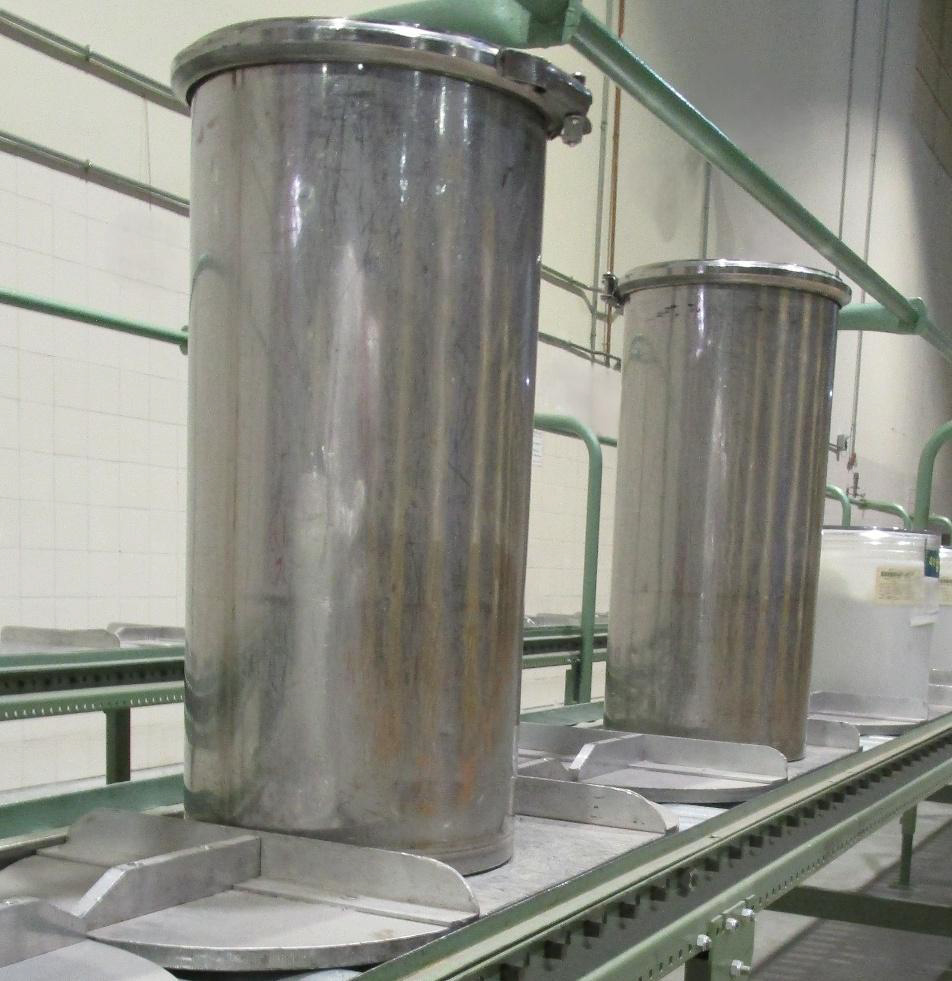
In the context of the facility’s regulatory update, the development of the Enhanced Operating Specifications (EFM) has represented a significant step forward in consolidating this control. A key decision has been the adoption of an explicit safety limit for the entire plant, stipulating that the effective multiplication factor (keff) must be kept below 0.98 under all conditions. This conservative value, which is aligned with international criteria, now serves as the benchmark for defining operating parameters and conditions.
A single safety limit for the entire factory
To ensure compliance with this limit, the EFM includes, for the first time, a specific chapter dedicated to Criticality Control, integrating all associated aspects in a unified manner. This chapter defines the limits applicable to the main parameters that influence reactivity, such as mass, geometry, and moderation, among others. These limits, previously scattered across various documents, are now presented in a structured and binding manner, reinforcing their normative nature.
The new approach also incorporates the control of Basic Safety Elements (EBSs), of an engineering or computational nature, identified in the Integrated Safety Analysis and associated with accident sequences of moderate or unacceptable risk. Given their role as barriers against deviations or failures in processes critical to reactivity, their inclusion in the chapter on criticality reinforces the consistency between safety analysis, preventive measures, and operating limits.
Greater oversight and robustness for nuclear safety
Finally, the chapter establishes Monitoring Requirements (RVs) for key criticality parameters, replacing a model based primarily on administrative controls with one supported by periodic verifications, traceability, and continuous assurance of compliance. This approach increases the system’s robustness, facilitates regulatory audits, and reinforces the safety culture.
Overall, the update to criticality control at the EFM represents a significant structural advancement for the Juzbado Plant, as it integrates limits, controls, and monitoring into a top-level operational document aligned with international best practices in nuclear safety.


