

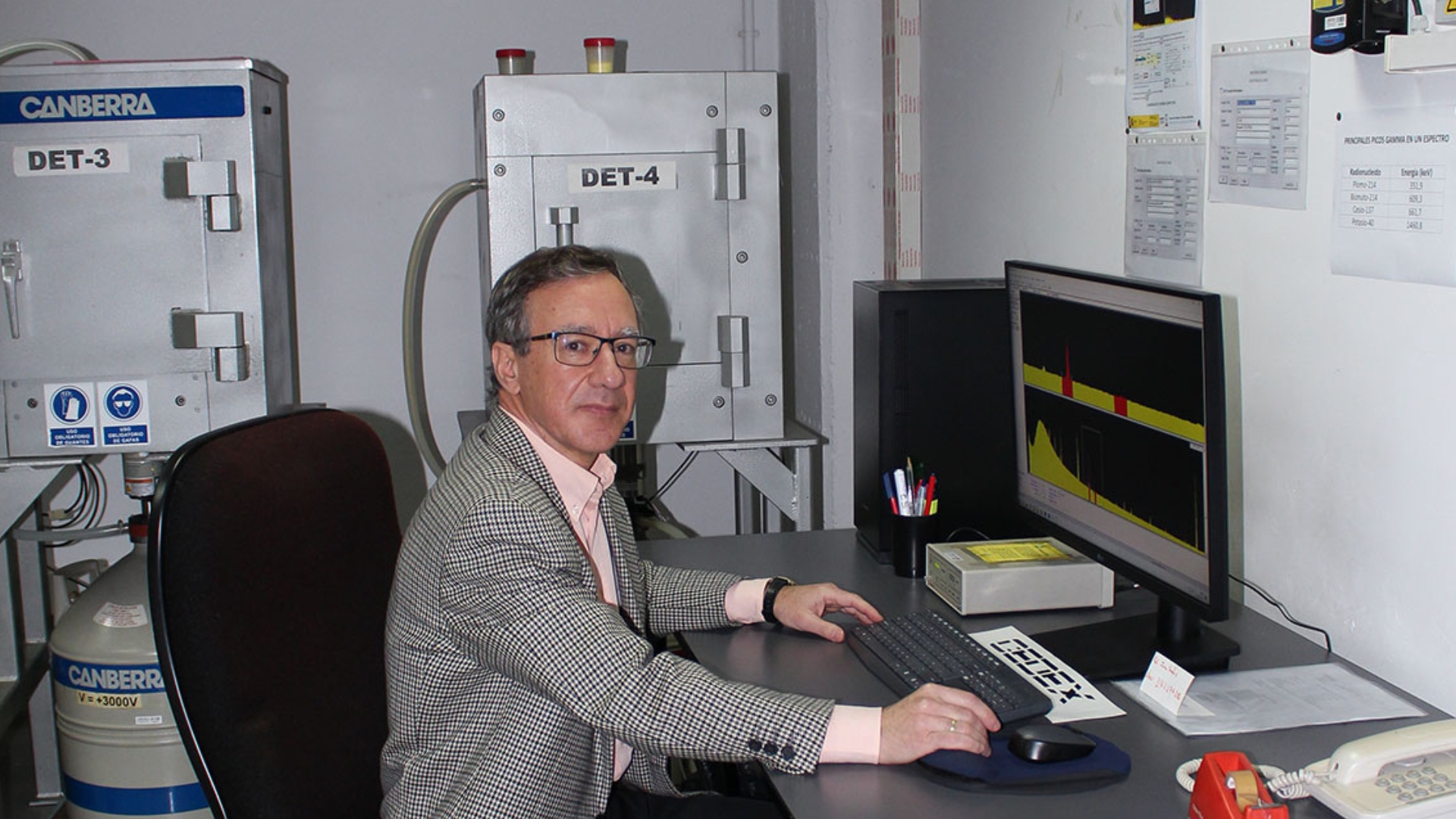
- Full name: Luis Pujol Terés.
- Current position or responsibility: Technical Scientific Program Coordinator
- Company in which he works: Center for Studies and Experimentation of Public Works (CEDEX) and at the Universidad Politécnica de Madrid (UPM) as a part-time associate professor at the ETSI Caminos, Canales y Puertos (Civil Engineering School of Madrid).
- Education: PhD in Physics at the Autonomous University of Barcelona (UAB) since 1996.
- Experience: 35 years of experience in the field of Environmental Radioactivity. From 1990 to 1997 at the UAB, from 1997 to 2003 at CIEMAT, and from 2004 to the present as a civil servant at CEDEX. In addition, from 2003 to 2005 he was an associate professor at the Autonomous University of Madrid, and from 2005 to 2009 at the Carlos III University of Madrid, and since 2009 at the UPM.
How many years have you been in your current job and what are your main activities? What motivated you to get to the position you hold?
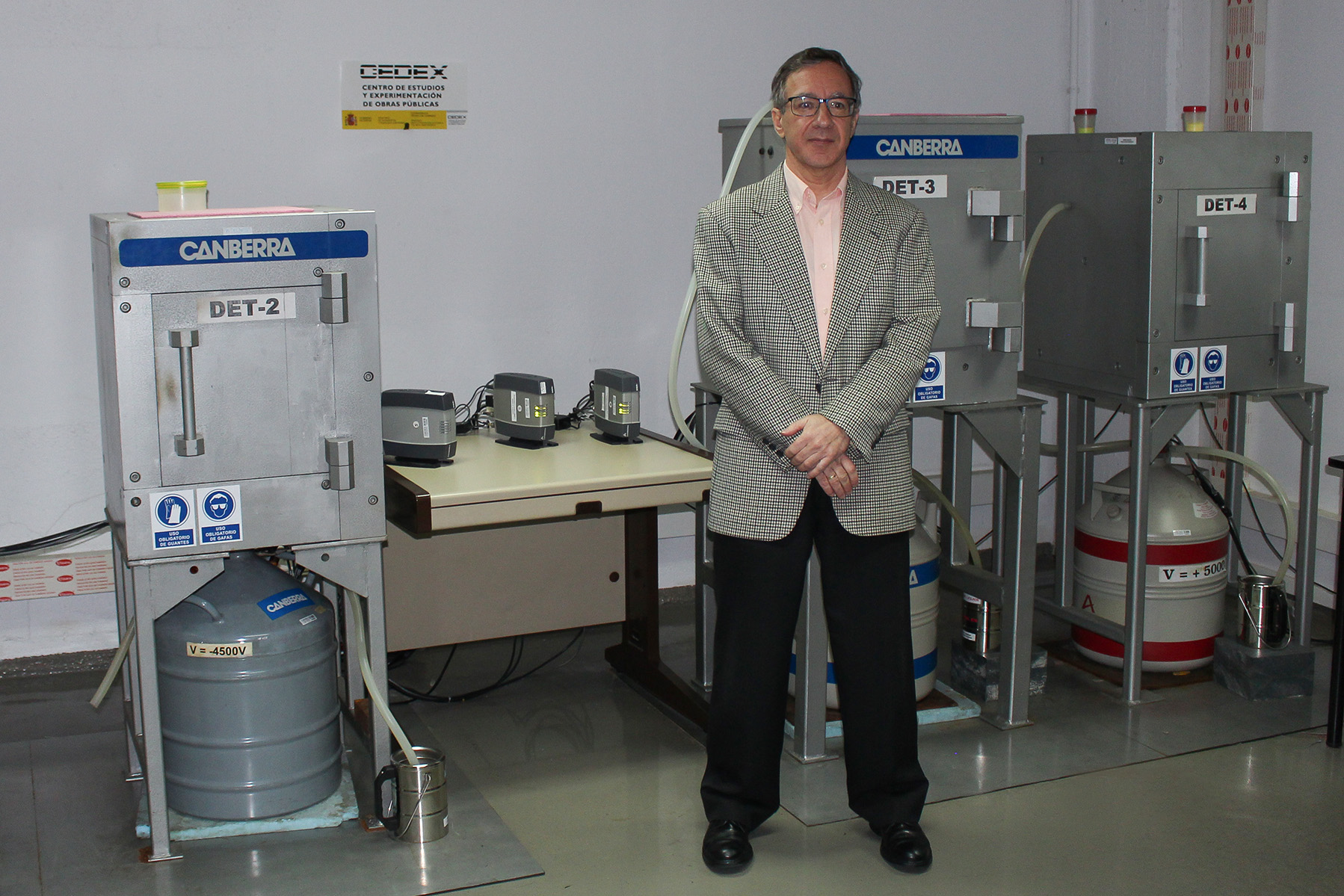
In fact, I have been working in my current position for 28 years. Since I started working at the Isotopic Applications Area Laboratory of the Center for Applied Techniques Studies (CETA) at CEDEX, my main activities have been the development and management of radioactivity detectors, quality control of measurements, and quality management of the Laboratory since its accreditation under the ISO/IEC 17025 standard. CEDEX is an Autonomous Research Center attached to the Ministry of Transport and Sustainable Mobility, whose functions are technical assistance, advice, collaboration and dissemination of all technological matters related to public works and the environment.
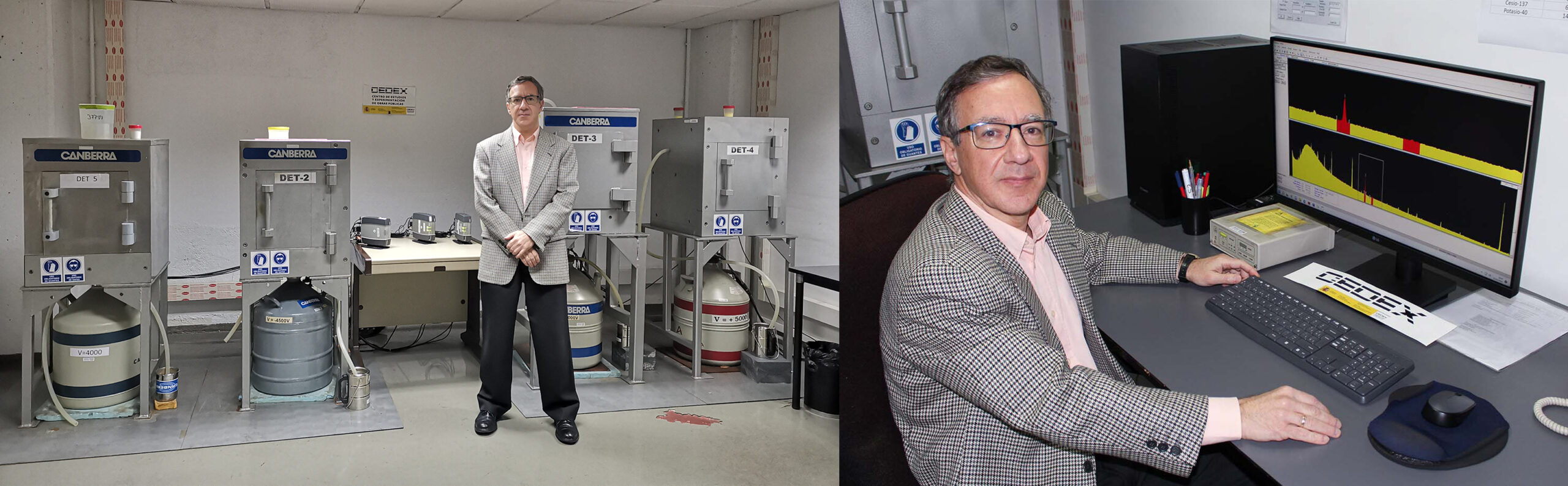
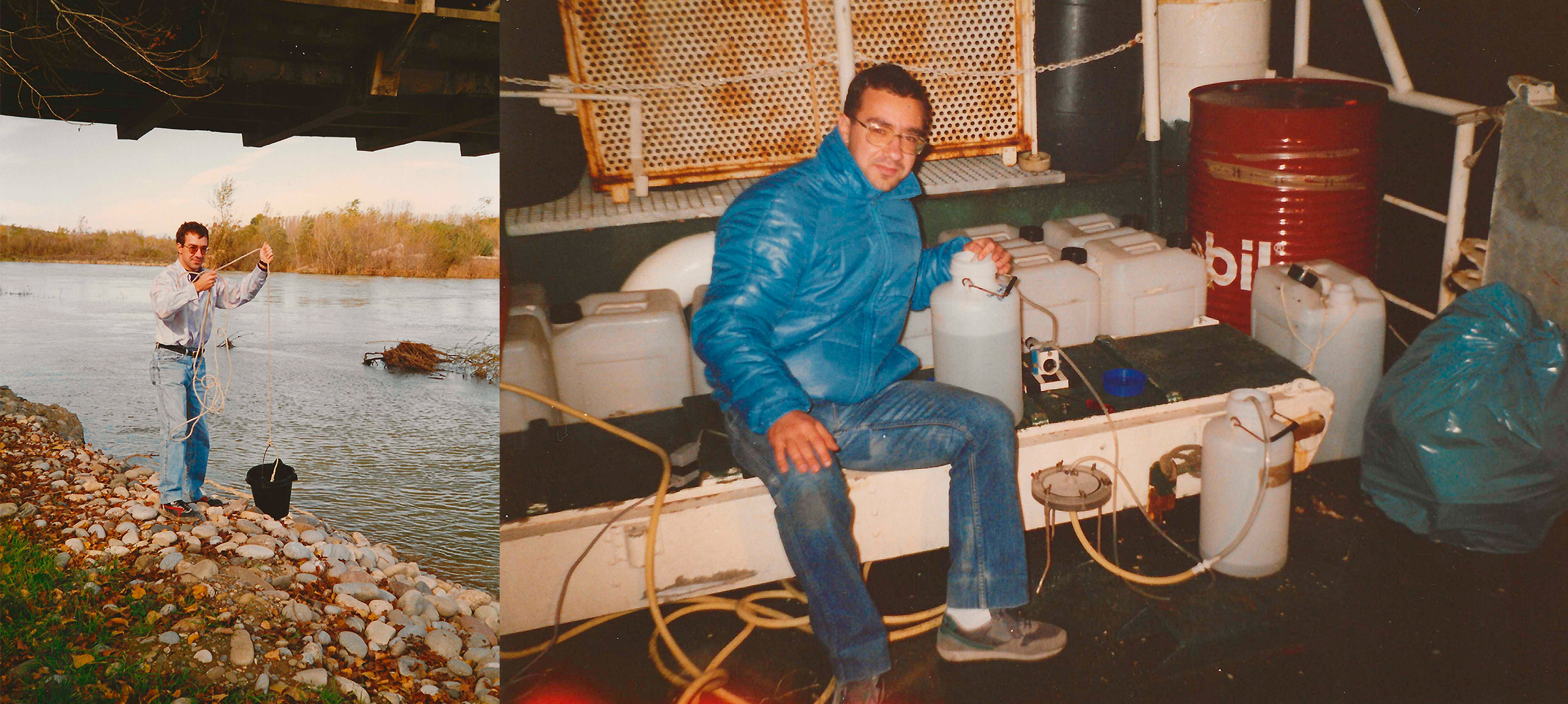
I joined CEDEX in 1997 from the UAB, where I completed my doctoral thesis entitled “Radioactivity of surface water and sediments in the Ebro River basin. Use of tritium as a radiotracer in the Catalan section.” At that time, CEDEX was unable to hire research staff, and thanks to an agreement between CIEMAT and CEDEX, I was employed by CIEMAT. However, my research work was carried out at CEDEX. Finally, in 2004 I obtained a mid-level civil servant position at CEDEX and, in 2007, a post with a higher degree specializing in quality management systems.
The most interesting thing about your work… any achievement you would like to highlight?
The most interesting thing about my job is, in fact, everything. Because being simultaneously in contact with the academic and public administration sectors means on-going learning and adaptation to the needs of my professional life at any given time. Every day is a new challenge, as circumstances are unstable; everything evolves. You must adapt to each new situation.
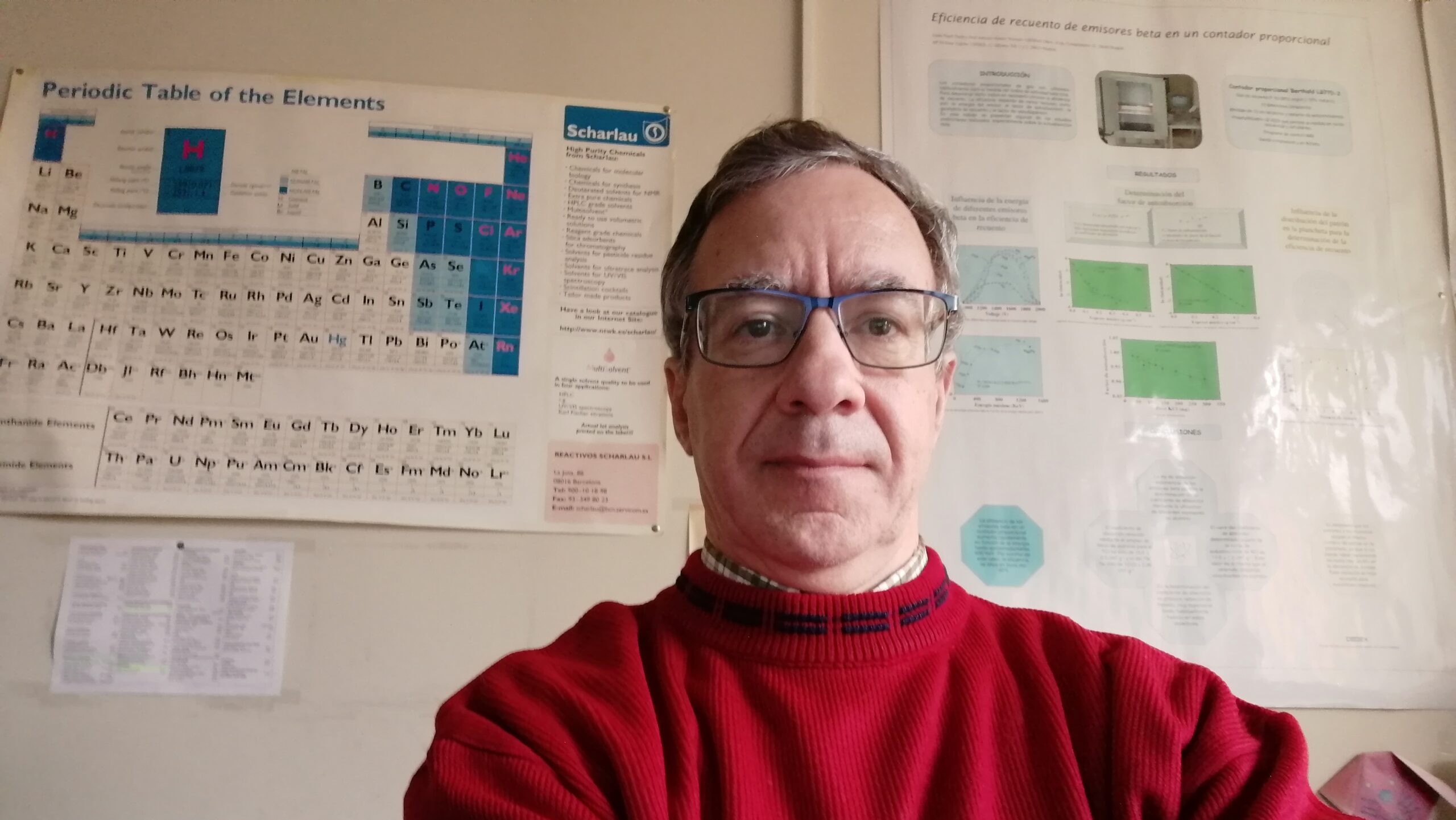
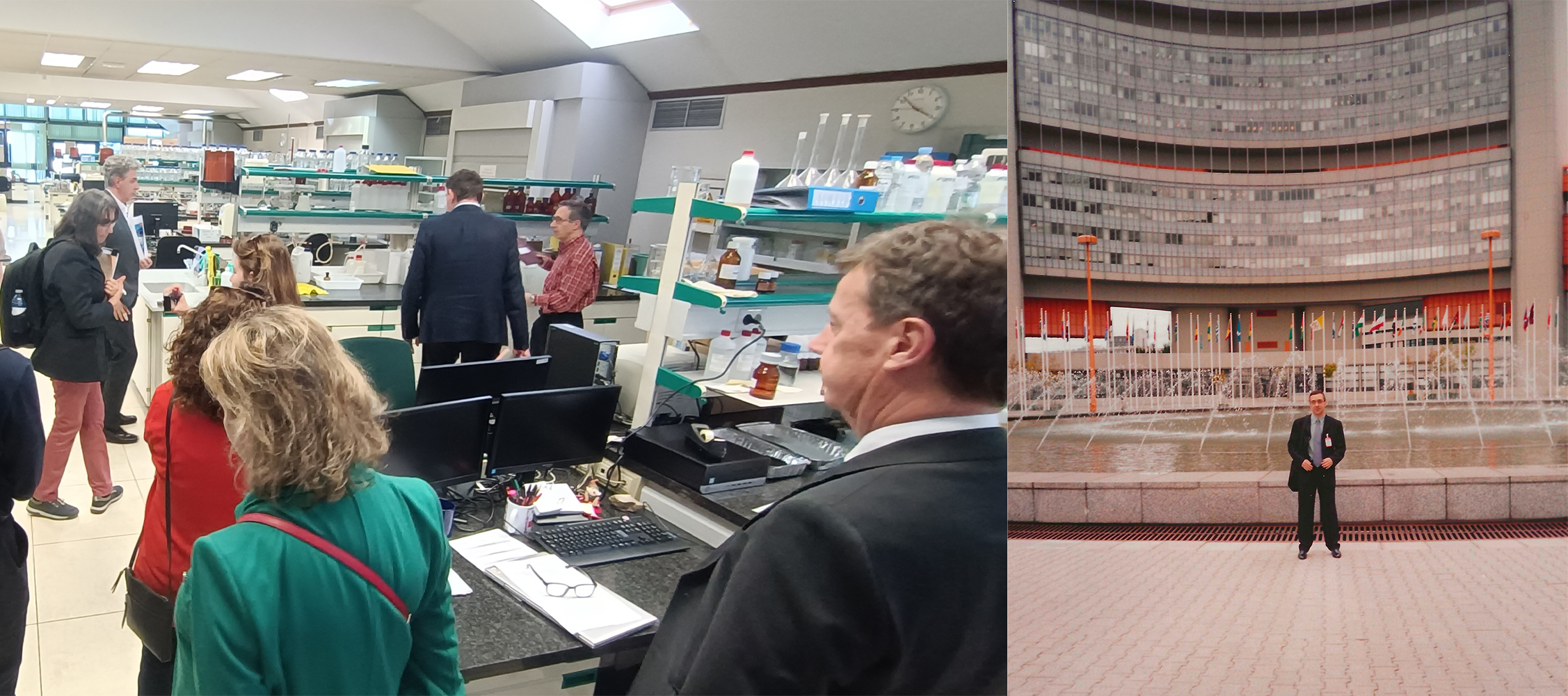
On a personal level, I would like to highlight my professional stability with the consolidation as a civil servant at CEDEX and the accreditation as a full professor by ANECA (National Agency for Quality Assessment and Accreditation). On a professional level, I have published papers in journals of recognized quality (Journal of Radioanalytical and Nuclear Chemistry, Applied Radiation and Isotopes, Radiation Measurements, etc.), which has allowed me to achieve an h-index of 13, as well as having served as a reviewer on more than 50 manuscripts. Another interesting aspect has been providing support to the International Atomic Energy Agency (IAEA) on two occasions, once as an advisor at the Isotope Hydrology Laboratory in Vienna and another as a technical expert on a mission to Peru at the Peruvian Institute of Nuclear Energy (IPEN). Finally, I would like to emphasize the invitation as an expert in the workshop “Radon in water” at the Joint Research Centre (JRC) of the European Commission, in Geel (Belgium) and at the national level being a technical auditor of ENAC (Spanish National Accreditation Body) within my sector.
The most rewarding thing about your day-to-day work…
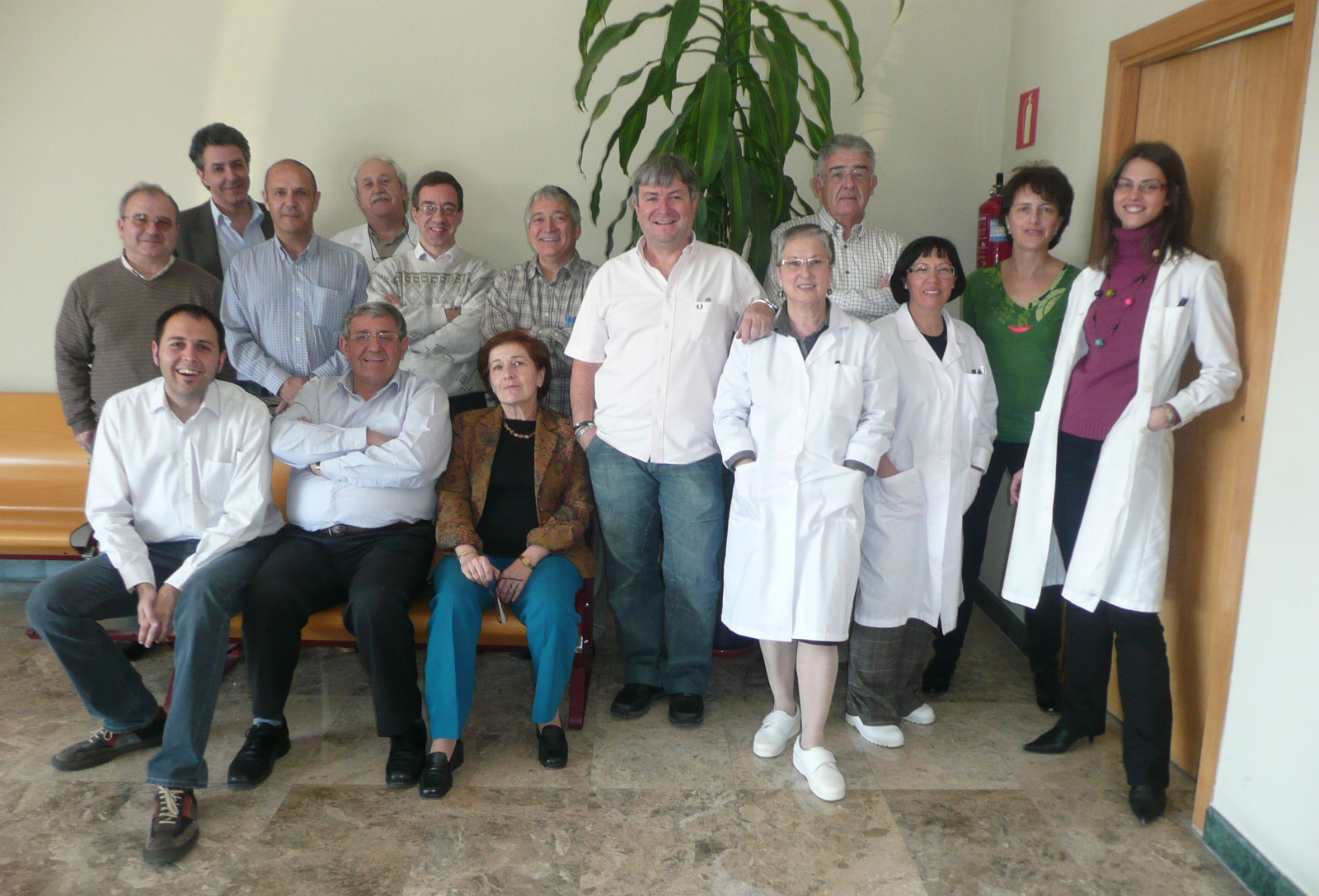
The luck is to work in the field of my background. I got a degree in Physics, I worked for 7 years in the Physics Department, teaching and completing a doctoral thesis in Environmental Radioactivity. One year after finishing my thesis, I moved to Madrid to work in the same field I had been trained in. I collaborated with the most prestigious research centers in this field in Spain, such as CIEMAT and CEDEX, and I had contact with the Nuclear Safety Council (CSN). At the same time, my connection with the university world allowed me to get in contact and work with the different Environmental Radioactivity Laboratories in Spain and, among all these entities and some more, we formed the Environmental Radiological Surveillance Network (REVIRA) of the CSN.
What has brought you to the nuclear sector? And what was your environment’s reaction to your decision? And now?
What brought me to the nuclear sector was my background in Physics and completing a Doctoral Thesis in the field of Environmental Radioactivity. Since I was a child, I have liked mathematics and nuclear physics. That’s why I chose a degree in Physics and a specialization in Theoretical Physics. Upon completing my degree, I was offered a scholarship at the Department of Physics at the Autonomous University of Barcelona to study radioactivity in the Catalan section of the Ebro River downstream of the Ascó nuclear power plant. Finally, my research career took a turn toward the nuclear sector when I went to work at the Isotopic Applications Laboratory of CETA at CEDEX.
The reaction of my environment when I started working in the nuclear sector was completely normal. The hardest part for my family and friends was to break with my previous life and move in Rubí (Barcelona) to Madrid when I went to work at CEDEX. Although this project helped me grow professionally. On a personal level, I found my partner in Madrid and started my own family with two children (a boy and a girl).
Currently, even though 28 years have passed, I still visit my family and friends in Barcelona at least twice a year and, occasionally, we facetime. Nothing has changed regarding the initial reaction of my social circle concerning my involvement in the nuclear sector. What’s more, my circle has seen my joining to the sector as a good choice, following the development of my professional career over the years.
Your vision of the evolution of the sector since you joined. Well… what now?
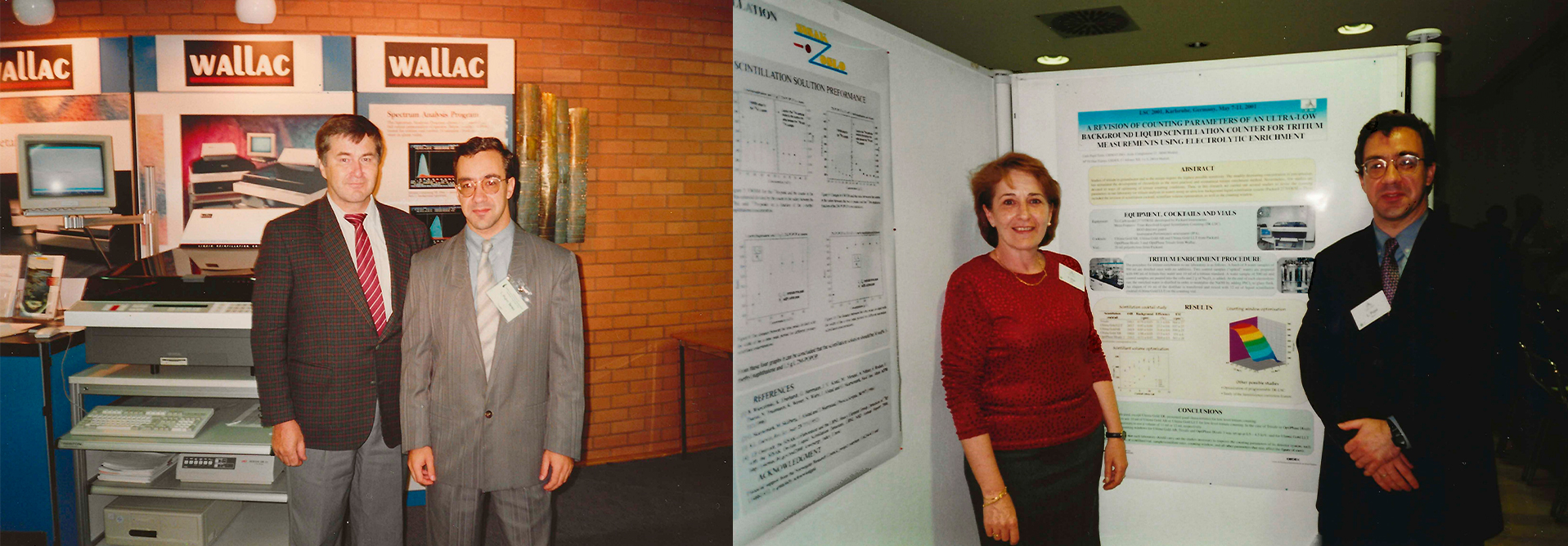
My field of activity in the nuclear sector has always been that of Environmental Radioactivity. In this field, there have been many continuous advances in various aspects: in radioactivity measurement equipment, there has been an evolution from analog to digital electronics, and spectrum analysis programs have increased their speed exponentially; on the regulatory side, the regulations derived from European directives have evolved. Another aspect in the evolution of the nuclear sector has been with quality management systems, for example, most of the Laboratories that belong to REVIRA have been accredited by the ISO/IEC 17025 standard.
The nuclear sector is expanding, and the “false prophets” and “deniers” who claim otherwise only reveal their ignorance of the sector. The source of radioactivity can be artificial (nuclear power plants, atmospheric nuclear detonations, nuclear accidents and medical applications), but what a large portion of the public doesn’t know is that most of the radioactivity we are exposed to daily is of natural origin. Natural radioactivity has existed since the formation of the planet. We are constantly receiving radiation from outer space. Radioactivity is present in the air we breathe, the water we drink, and the food we eat. Even we ourselves contain naturally occurring radionuclides in our bodies. The adequate transmission of this knowledge to society would allow us to face scientific and technological challenges in a more efficient way, with a future without fear.
Would you encourage young people to start a professional career in the sector?
Of course, as I am explaining at university to my students, the nuclear sector is much broader than the short-sighted view disseminated by the media dependent on public administrations, whether state or regional. The nuclear sector is not limited to the generation of electricity in nuclear power plants and nuclear disasters like Chernobyl or Fukushima. Job opportunities related to the nuclear sector in the non-nuclear industry, medicine, the environment, water laboratories, dating, radiation protection, and so on, are countless and constant. Many highly skilled professionals are needed in this constantly evolving sector.
What message would you like to spread to the rest of your nuclear partners? And to non-nuclear ones?
In the case of my nuclear colleagues, the message is that we must continue through the same pathway. Within the nuclear sector, CSN and the laboratories that are part of the CSN’s REVIRA Network are trying to pass on this knowledge to those who come after us through the Conferences on Quality Control in Environmental Radioactivity, the master’s degree in environmental Radiological Protection, and other initiatives. If this work were not done, we would run the risk of losing knowledge that is essential for facing the new challenges of the nuclear sector.
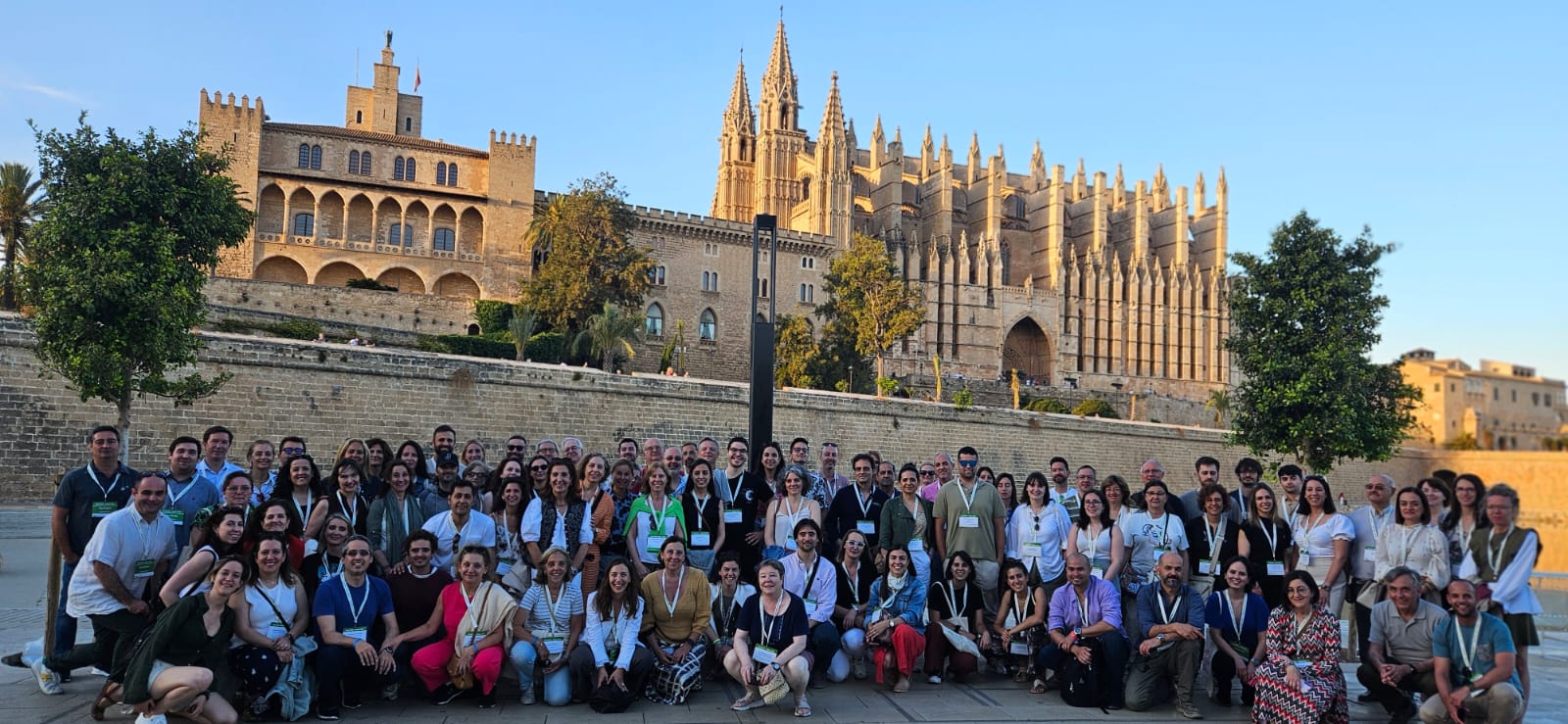
The message to the public is that we are constantly exposed to radioactivity, regardless of whether its origin is natural or artificial. We are exposed to radiation when we have an X-ray, when we drink water, or when we go for a walk in the field. Even if we don’t see the radiation, it coexists and is part of us and the world around us. It is necessary to consult and question national and international institutions in the sector and not rely on social media disseminators whose sources are not reliable. Together, we can not only resolve doubts about the risks of radiation but also raise awareness of its many benefits in very different sectors.
Can you tell us two hobbies?
I like being asked this question. My son recently told me, “Dad, I don’t see you having any hobbies.” The comment caught my attention. Before I got married and had children, I collected stamps, coins, studied languages, went to the swimming pool, to yoga classes, read books, etc. Then, between daily household chores, caring for children, and juggling married life, it doesn’t leave you much free time, without interruptions. Just when I thought I had all my time occupied, my wife and children set a trap for me, and now I also must take care of my pet, Valko.
And to get to know you a little better: 1 book, 1 song (or piece of music) and 1 movie…
Many books, songs, and movies shape your life at different stages. Perhaps during elementary school, the book that left a lasting mark on me was “Asimov´s guide to science,” a song by Nino Bravo, “Libre” and a movie “The Exorcist“.
Finally, to finish, a wish for the future
A personal wish for my family is that of a healthy future. A wish for the future of the world is that we head in the right direction. Although it may not seem so, we can do so in different ways and with different ideologies; all it needs is syncretism.


