


Furthermore, it serves as a cornerstone for ensuring the safety of nuclear power plants themselves, with its proper analysis and modeling being subject to very strict regulatory oversight.
The task of Human Reliability essentially consists of modeling human actions that are relevant to plant safety. These include actions performed by Control Room operators and field operators to mitigate initiating events that may compromise plant integrity.
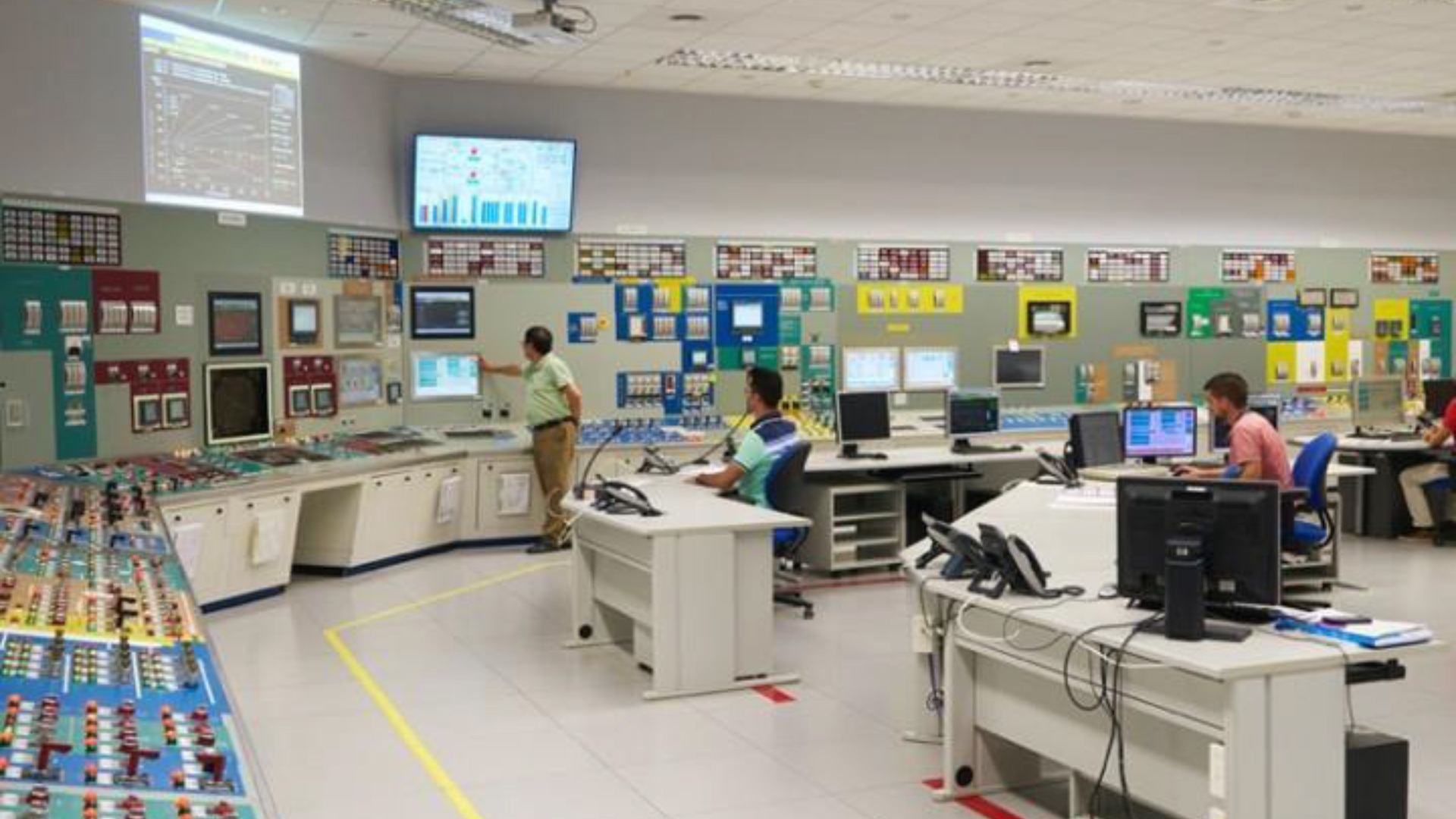
For the modeling and quantification of these human actions, the Human Reliability engineer has access to various tools, such as internationally recognized state-of-the-art methodologies, databases of operational experience from operating plants, feedback from other PRA data and systems engineers, among others. However, one of the most decisive sources for correctly modeling human actions is on-site data collection, through two of its most representative activities: Control Room Simulator observations and the verification and validation of local actions.
Control Room Simulator Observations
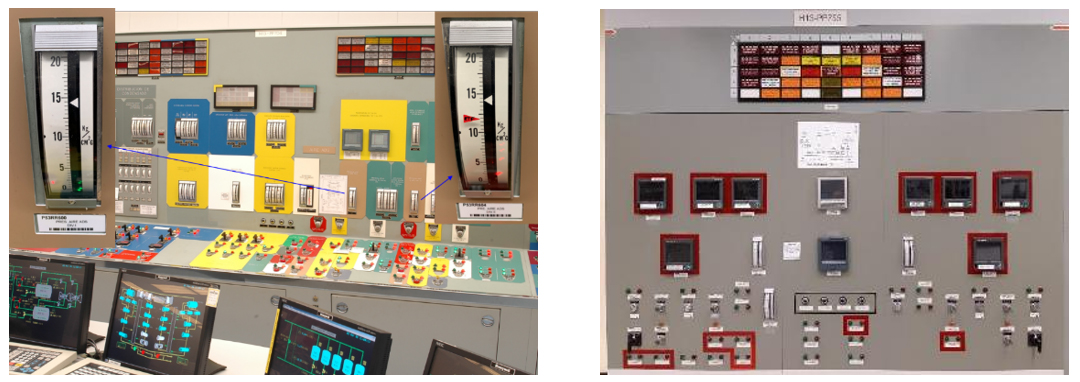
The training of operating personnel is framed within Safety Instruction IS-11, “On licenses for nuclear power plant operating personnel”, issued by the Nuclear Safety Council, which requires facilities to plan training sessions for operating crews using a Control Room Simulator.
This training is carried out for each operating shift (typically 7 or 8 shifts are organized at each plant) and lasts one week per semester.
The operating crew is exposed to various scenarios, some of which involve accident conditions. These scenarios are of particular interest for PSA, especially for the Human Reliability task.
In these accident scenarios, operators must perform human actions aimed at mitigating the accident, stabilizing the plant, and minimizing its consequences for both personnel and the environment. A large portion of these critical human actions are modeled in the PSA.
Observations in the Simulator by Human Reliability engineers provide a substantial amount of information regarding the actions performed by the operating crew: response and execution times, procedures used, strategy selection, decision-making processes, etc. These data play a key role in defining and quantifying human actions.
Verification and Validation of Local Actions
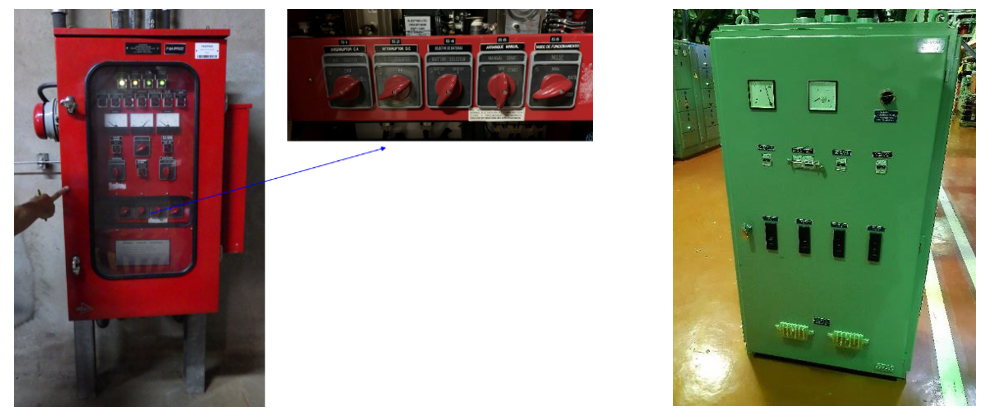
In accident scenarios, in addition to Control Room actions, manual operation of locally located components is often required. These include valves opening, breakers closing, or pumps starting, which are carried out by field operators.
As with Control Room actions, these types of local actions are also modeled in the PRA. To ensure their correct modeling—given their complexity due to the involvement of different personnel, various locations, and a wide range of equipment and components—a detailed analysis is conducted. This includes the verification of procedures, instrumentation and indications, as well as the validation of actions and interfaces.
Through this verification and validation process, valuable information is obtained regarding travel times, communication between operators and field staff, access to equipment, lighting conditions, environmental factors, and other constraints that may affect the proper execution of human actions, and therefore the calculation of their reliability within the PRA.


