


Who does not remember Roy Batty’s famous line in Blade Runner: “I’ve seen things you people wouldn’t believe…”?
If we were to adapt it today to the context of nuclear decommissioning, it might begin like this: “I’ve seen nuclear power plants being dismantled by robots”.
Although it may sound like something straight out of science fiction, the reality is that robotics, automation and artificial intelligence are advancing at remarkable speed and are beginning to transform increasingly complex industrial sectors. Nuclear decommissioning and radioactive waste management are no exception.
In Spain, responsibility for these activities lies with ENRESA, which undertakes projects of enormous technical, organisational and social complexity. A decommissioning project requires the coordination of multiple disciplines, companies and technologies with a common objective: ensuring nuclear safety and radiation protection while optimising the management of the materials generated throughout the process.
Innovation is a key tool in addressing these challenges. For this reason, ENRESA maintains a strong commitment to research, technological development and collaboration with companies, universities and research centres in order to incorporate increasingly advanced solutions into its projects.
Robotics and autonomous systems in nuclear decommissioning
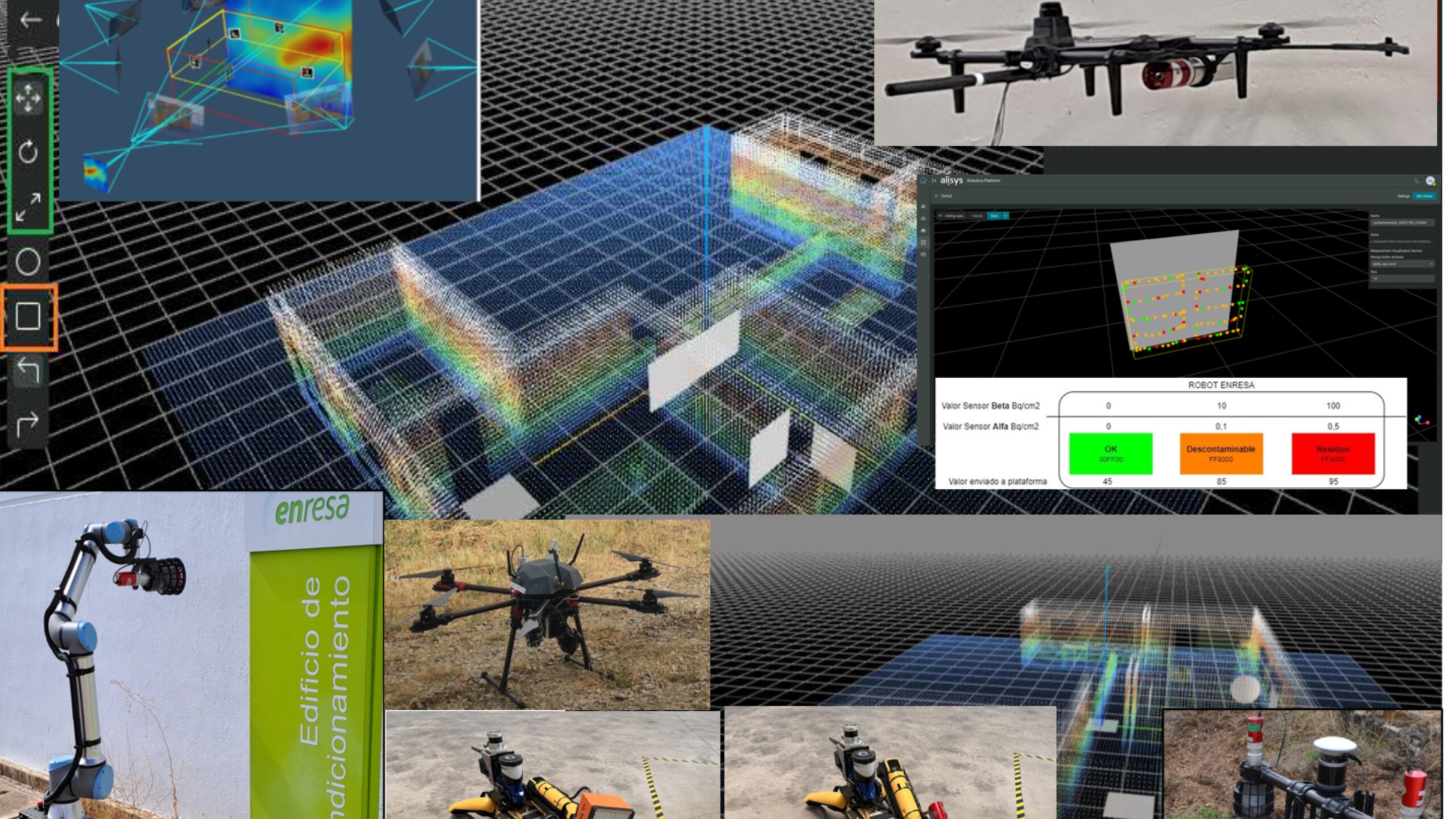
Within this framework, several robotic platforms and autonomous systems have been developed, primarily aimed at radiological characterisation and the optimisation of measurement and material management processes. These solutions are already being deployed in projects such as the decommissioning of the Santa María de Garoña Nuclear Power Plant, the preparation for the last phase of the dismantling of Vandellós 1 and other facilities managed by ENRESA.
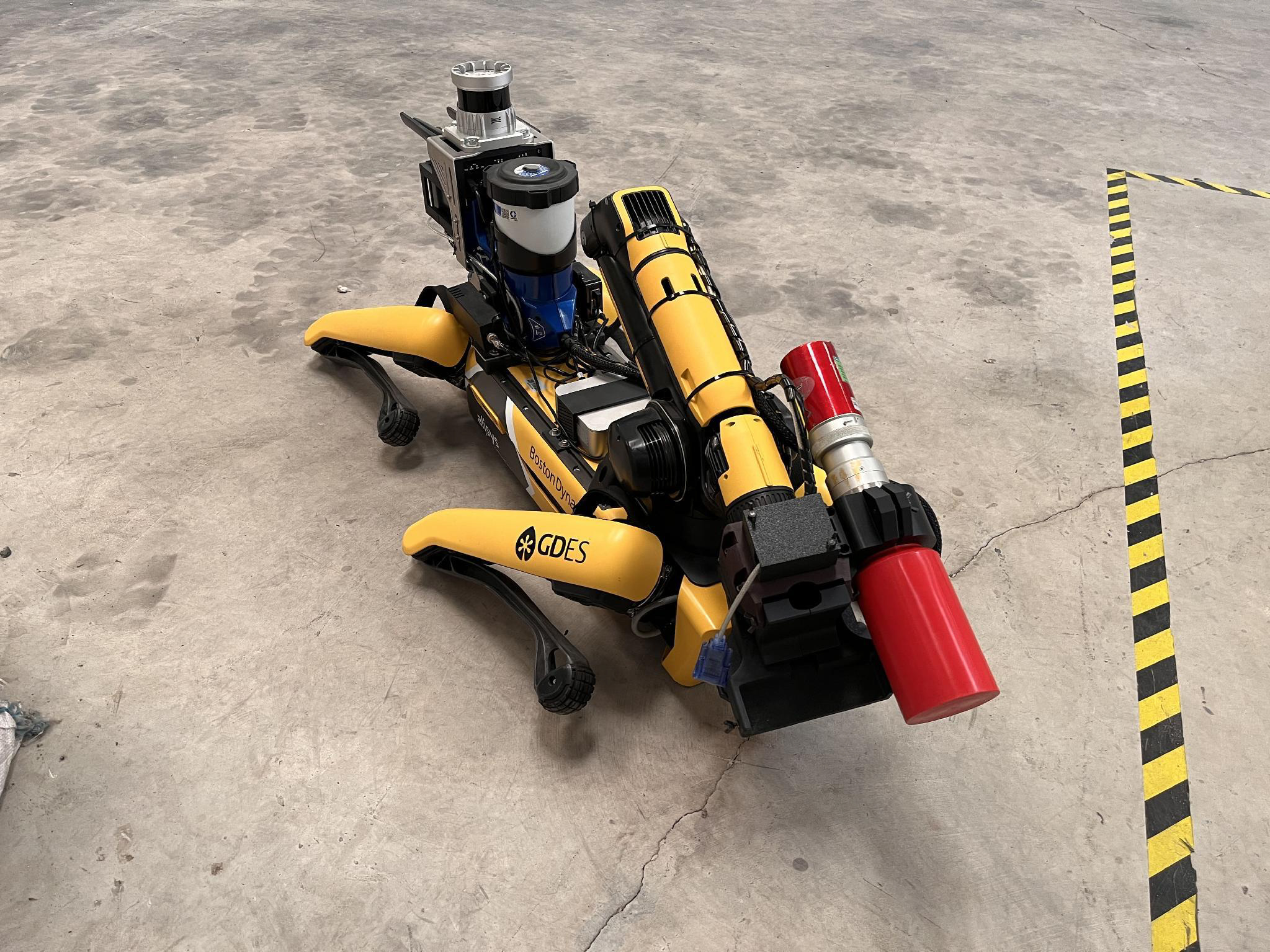
Among them are ground robots equipped with robotic arms and spectrometric detectors capable of performing autonomous measurements, specialised vehicles for site characterisation, quadruped platforms able to operate in difficult-to-access environments, and drones fitted with advanced radiological sensors. These technologies help increase operational efficiency, provide high-quality data and reduce workers’ exposure to radiation.
Artificial Intelligence and the future of nuclear decommissioning
However, the next step is already knocking at the door: artificial intelligence. Its potential to process vast amounts of data, reconstruct three-dimensional environments, generate digital twins, optimise work plans and coordinate fleets of autonomous systems opens up extraordinary opportunities for the decommissioning projects of the future.
Particularly significant is its ability to enhance the planning of activities in accordance with ALARA principles, helping to minimise radiation doses received by workers while further strengthening operational safety.
Nevertheless, artificial intelligence will not replace human judgement. In a field as sensitive as the nuclear sector, supervision, decision-making and responsibility will remain firmly in human hands. AI should be understood as a tool that supports professionals, enhancing their capabilities and optimising processes, but always under human oversight and control.
Technological innovation at the service of society
The integration of these technologies represents one of the major challenges of the coming years for ENRESA and for the Spanish nuclear sector as a whole and hand in hand with close and active international participation and cooperation as well. We have the knowledge, experience, technological capabilities and a strong commitment to R&D&I needed to meet that challenge.
Perhaps, a few decades from now, someone will once again be able to repeat those words from Blade Runner and say: “I’ve seen things you people wouldn’t believe…” And among those things, the dismantling of a nuclear power plant by a fleet of autonomous robots working in a coordinated, safe and efficient manner under human intelligence, supervision and control.
Machines, technology and innovation in the service of society.


