

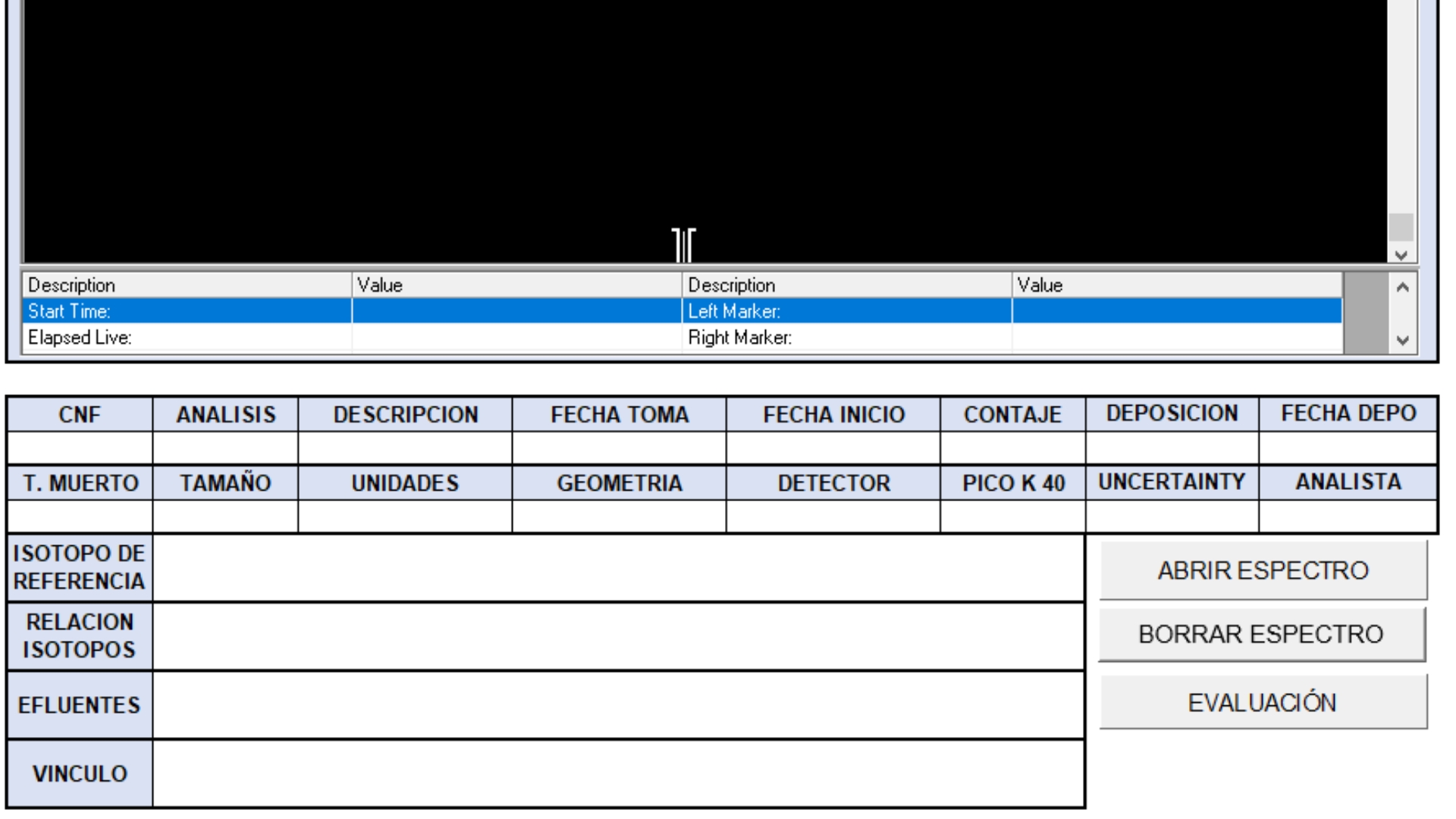

Based on the analysis of actual failures, it was identified that most errors originated not in the equipment or calculations, but rather in the moment the analyst manually entered the data. The solution was an advanced spreadsheet that automatically verifies up to 24 parameters per analysis, depending on the sample type, comparing them with reference values defined by the laboratory itself.
The system uses a simple visual code (green/red) to alert about inconsistencies without blocking the workflow or interfering with the analyst’s technical judgment. It is integrated into the usual review process, so it does not add additional steps or require specific training.
During its validation, errors were intentionally introduced, and the tool was able to accurately detect all of them. Since its implementation, a significant decrease in undetected errors has been observed, and, it has also allowed the collected data to be leveraged to anticipate operational decisions such as forecasting liquid discharges.
This case demonstrates that applying automatic control principles, already established in other industrial sectors, can significantly improve the safety, reliability, and efficiency of radiochemical analysis. Automation does not mean replacing the analyst, but rather reinforcing their work with an additional layer of technical safety.


