

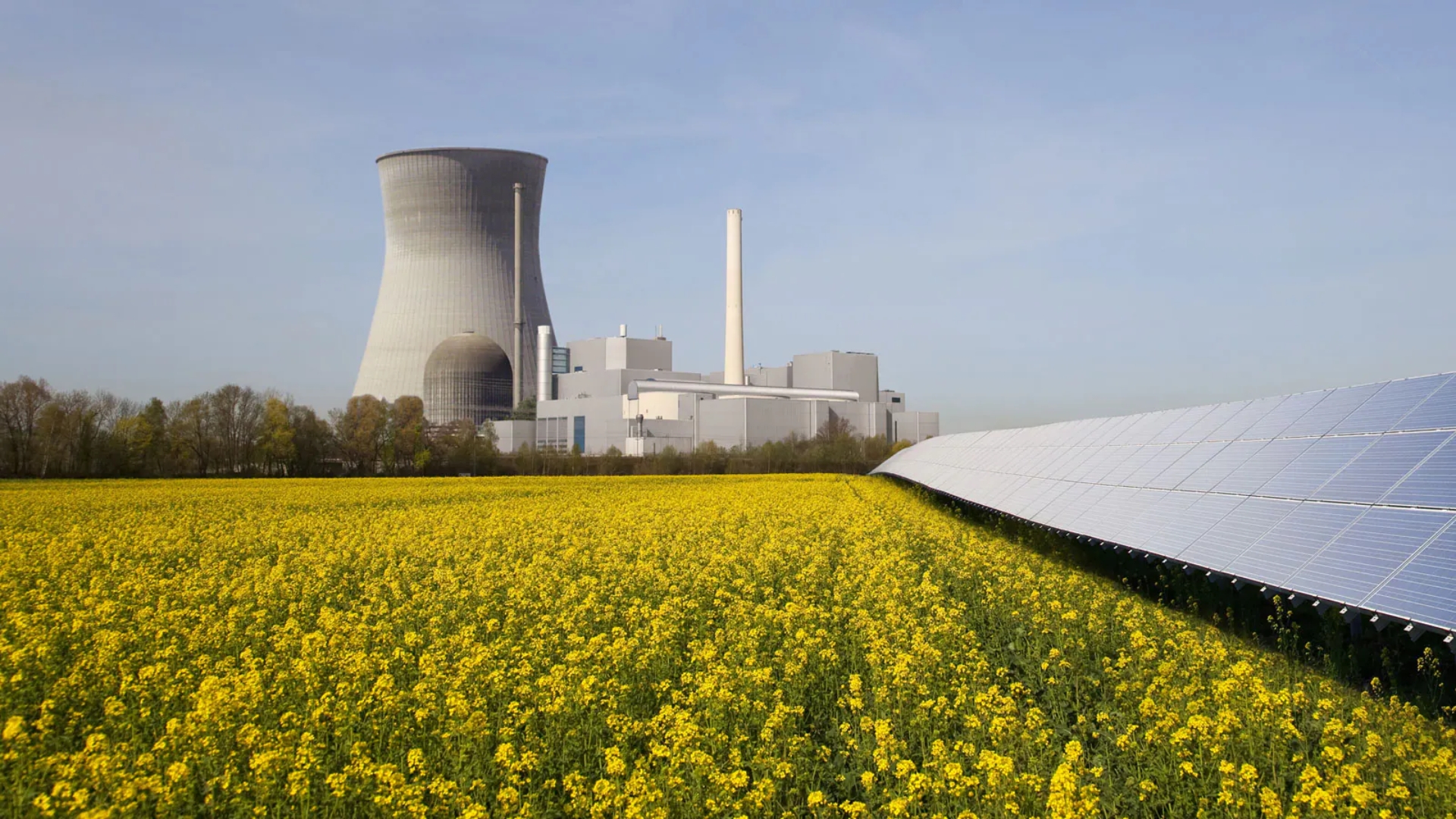

Cataluña is home to 3 of the 7 nuclear reactors in operation, whose production accounts for 58% of the region’s electricity production and covers half of its electricity needs. Catalonia will therefore be the region most affected by the nuclear shutdown. The loss of this source of energy, with the closure of the Ascó and Vandellós nuclear power stations between 2030 and 2035, requires viable alternatives in order to maintain energy autonomy and guarantee the security of the territory’s electricity supply. However, the plan to replace nuclear energy, which includes (i) the use of renewable energy, (ii) an increase in electricity imports from neighbouring territories, faces serious limitations.
Cataluña energy transition plan, PROENCAT, sets a target of installing almost 9,500 MW of solar photovoltaic and wind energy by 2030, a far cry from the historical rate of renewable energy installation in the region. In order to achieve this target, it would be necessary to install around 1,500 MW per year, whereas the installation rate in recent years has been only 24 MW per year. In addition, the integration of renewables requires the large-scale development of energy storage, especially pumped storage, an area that is also lagging behind due to costs, long development times and high environmental impact, especially in the case of pumped storage. Faced with the need to import electricity from Aragon, Valencia and France, Catalonia is faced with the need to develop new transmission lines to increase its import capacity, an issue that faces administrative and social obstacles that slow down its development and implementation.
Therefore, it will be the gas-fired combined cycle plants that will cover the generation deficit not covered by renewables and imports in Catalonia, which will have a negative impact in terms of generation costs and CO2 emissions. Even if the combined cycle plants operate at full capacity, the risk to the security of the electricity system will not be fully mitigated, given the key role that nuclear plants have played in situations of congestion. The closure of nuclear power plants will have a significant impact on both the cost of electricity and the environment. Keeping nuclear plants open would reduce the average market price of electricity by €13/MWh under ‘normal’ market conditions. On the other hand, not extending the operation of the nuclear plants for 10 years will mean an additional cost of around €5.4 billion for Catalonia’s electricity demand. In addition, Catalonia’s CO2 emissions will increase by up to 240%, making it one of the largest CO2 emitting regions in the country. The socio-economic impact is also significant, given the specific weight of the nuclear sector in terms of employment and contribution to GDP, both at regional and local level, and the importance of stable and secure electricity consumption for Catalan industry.
Given these consequences, it is reasonable to think that a window of reflection should be opened on the advisability of maintaining the nuclear phase-out timetable, both by the administration and political groups, as well as by society, which will ultimately suffer the most. However, it will not be possible to prolong the operation of nuclear power plants under the current fiscal conditions, which is why a dialogue between administrations and operators is necessary in order to find the best solution for all concerned.


